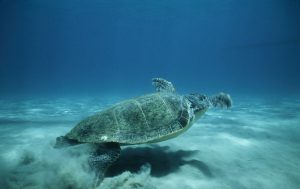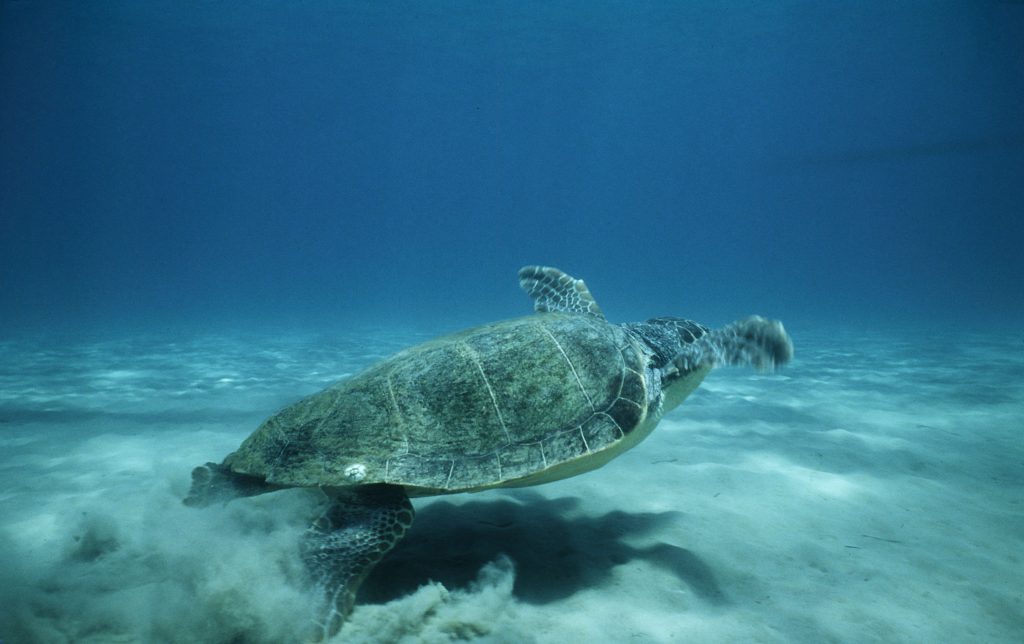
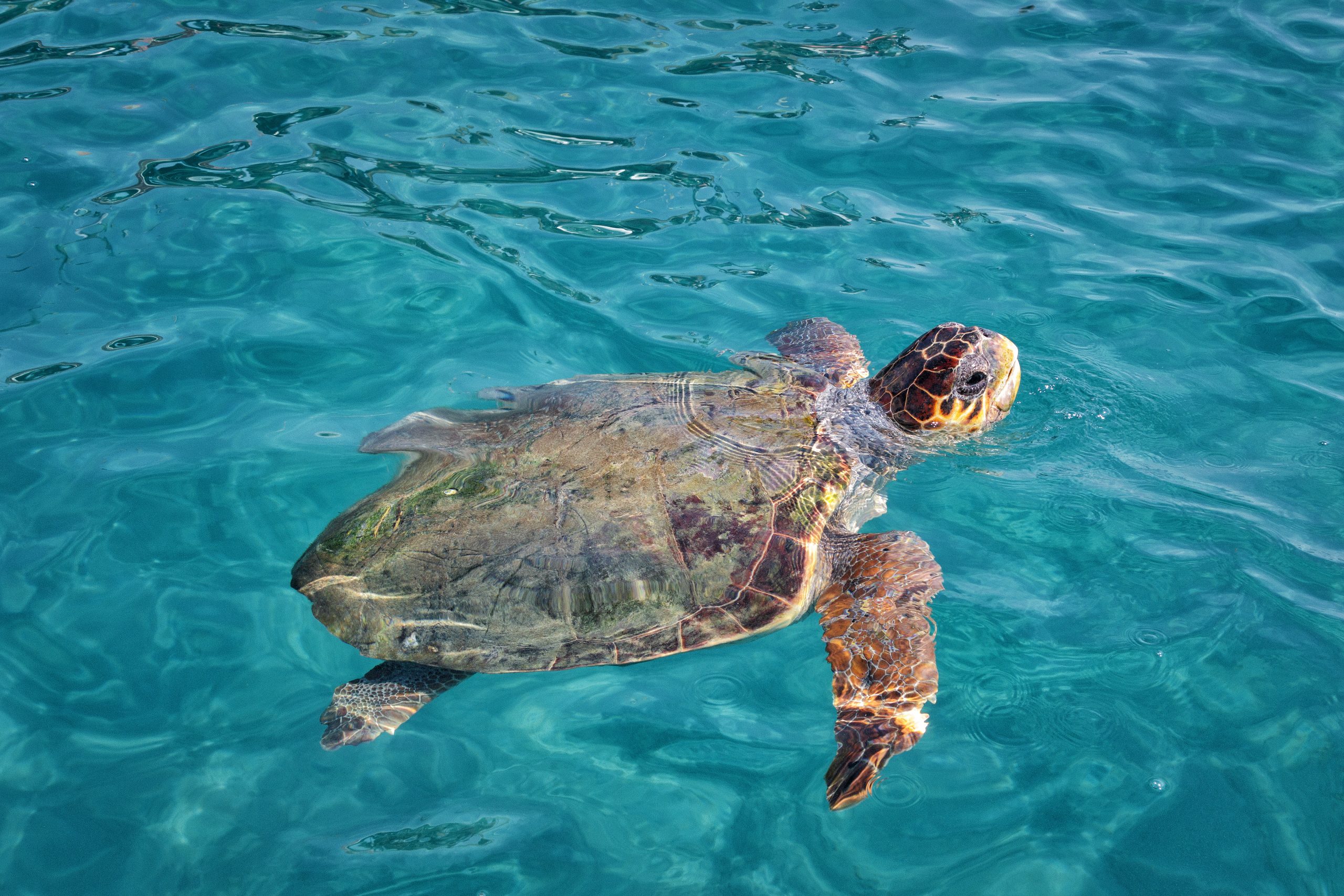
More than 10,000 loggerhead sea turtle (Caretta caretta) nests have been recorded across Greece this year, with around 6,000 located in the Bay of Kyparissia, the largest nesting area in Europe.
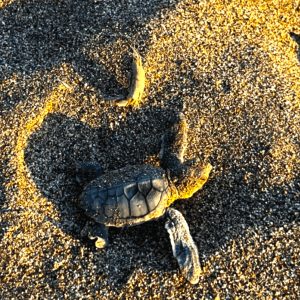
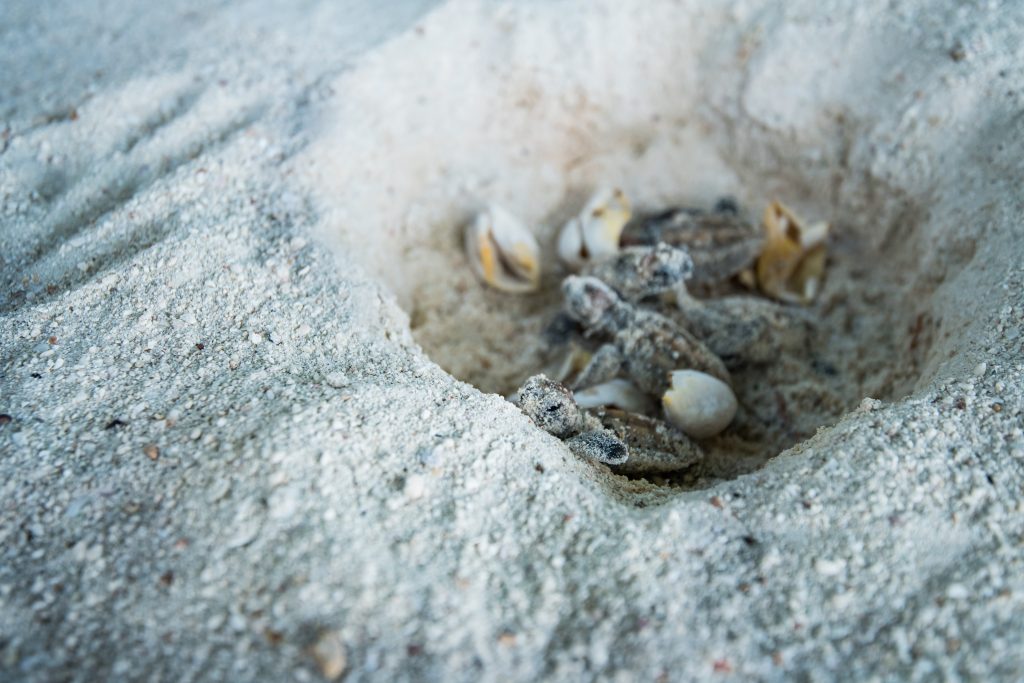
This season set a milestone with the earliest hatchings seen in over four decades. On July 9, hatchlings emerged on Elaia beach in Kyparissia, weeks earlier than usual—a change experts attribute to rising temperatures caused by climate change. Two days later, turtles hatched in Crete and Zakynthos, while a nest of 118 hatchlings was discovered on Romanos beach in the Peloponnese.
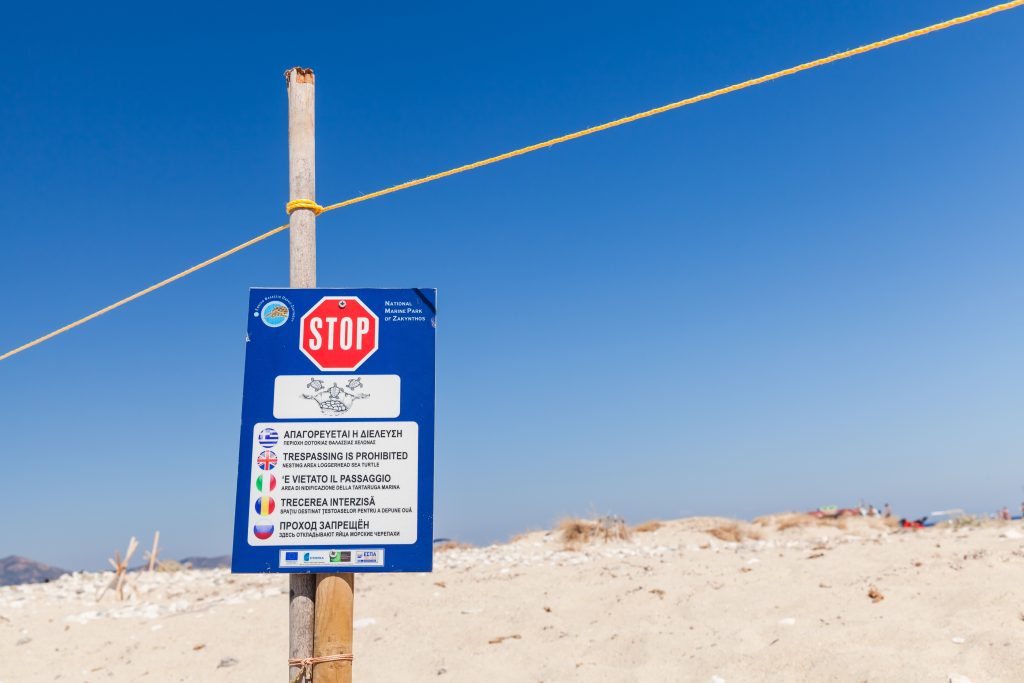
The monitoring is carried out by Archelon, a sea turtle protection association active since 1983. Around 600 volunteers took part this year, helping protect nests across key beaches.
“Recording nests is not enough—we must take measures to ensure as many hatchlings as possible reach the sea,” said Aliki Panagopoulou, research coordinator for Archelon. “Out of 1,000 hatchlings, only one typically survives to adulthood.”
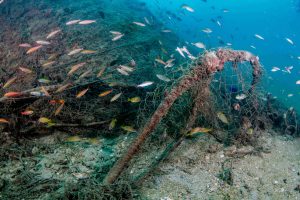
Rescue operations are also frequent. Just this week, firefighters in western Greece freed two turtles trapped in fishing nets under Archelon’s guidance.
While last year marked a record high with over 40 years of data, conservationists stress that fluctuations are normal and point to decades of systematic protection as the reason the loggerhead is no longer considered endangered in Greece. Instead, it is now listed as “low risk” in the country’s Red List of threatened species.
Greece hosts roughly 60% of all loggerhead nests in the Mediterranean, with the National Marine Park of Zakynthos and southern Kyparissia Bay ranked among the most important nesting sites worldwide. Loggerhead turtles, which have inhabited Greek waters for millions of years, can still be spotted across much of the country’s coastline.