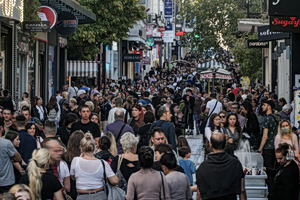
Family gatherings, strolls, and festive feasts are among the cherished moments most associate with Christmas. Yet, the season’s increased consumption of meats, poultry, and sweets often brings a rise in foodborne illnesses, as well as significant food loss and waste.
So, how can we enjoy safe, worry-free meals during the holidays—and beyond—while avoiding misleading practices or errors in food selection and handling?
The Hellenic Food Authority (EFET) has compiled essential guidelines:
Before Buying Food Plan your shopping list in advance to minimize impulsive purchases. Bring multiple bags to separate raw foods that require cooking, such as meats, from ready-to-eat items like salads, reducing the risk of cross-contamination.
While Shopping
Buy only from licensed, regulated vendors, and pay attention to hygiene practices of staff, equipment, and premises. Check labels carefully, especially expiration dates. Purchase refrigerated or frozen foods last so they reach your fridge as quickly as possible.
Meat and Poultry
Fresh or frozen meats must never be sold outside refrigeration. Look for origin information, which should also appear on receipt labels. Packaged turkeys must display the slaughterhouse or processing plant code and the consumption date clearly on the packaging.
Fresh, unpackaged domestic turkeys should be properly eviscerated and plucked, and all game meat must carry an official suitability stamp. Imported or packaged game should have an oval identification mark and consumption date.
Eggs
All eggs must show a clear producer code on the shell, indicating rearing method, country of origin, and unit identification. Packaged eggs should also display the grading center code, weight, quality category, and minimum shelf life. For optimal preservation, eggs should be stored in a cool, shaded place or in the refrigerator.
By following these straightforward practices, holiday meals can remain joyful, delicious, and—most importantly—safe for everyone around the table.