The number of laboratory-confirmed salmonella infections in the central Greek city of Lamia has risen to 24, as health authorities continue investigating a suspected foodborne outbreak linked to local restaurants.
According to local reports, the latest confirmed case involved a patient who sought hospital treatment after experiencing gastroenteritis symptoms for four days. While 24 infections have now been officially confirmed through laboratory testing, authorities believe the actual number of cases is higher, as several people reportedly recovered at home or were treated by private physicians without requiring hospitalization.
Doctors at Lamia General Hospital examined 10 recent patients on Thursday. Seven, including a family with an eight-year-old child, were discharged after treatment, while the remaining patients are being kept under observation as a precaution. Health officials said all are in good condition.
Most of the confirmed cases involve people aged 31 or younger, with doctors suggesting that younger patients generally recovered more quickly due to stronger immune systems.
Investigation Focuses on Food Businesses
Public health inspectors have traced the confirmed cases to eight different food establishments in Lamia.
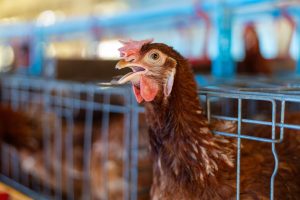
In seven of those businesses, affected customers had consumed chicken, while in the eighth they ate a different type of meat that investigators say had come into contact with a batch of chicken suspected to be the source of contamination.
Authorities have collected samples from both patients and food products, while environmental swab tests have also been carried out on food preparation surfaces and kitchen equipment.
Laboratory analysis is expected to be completed next week. Officials are also working to identify the specific salmonella strain responsible for the outbreak.
Meanwhile, veterinary authorities in another regional unit are inspecting the supplier believed to have distributed the suspected batch of chicken.
Officials Say Risk of New Cases Is Declining
Health experts believe the incubation period for the suspected contamination has now largely passed, making additional cases less likely, particularly after restaurants removed the suspected batch from circulation.
Officials noted that the most recent patients reported symptoms beginning several days earlier, consistent with the known incubation period for salmonella, which typically ranges from six to 72 hours.
Public Health Advice
Health officials have reminded consumers and food businesses of the importance of proper food storage, particularly during the summer months when high temperatures can encourage bacterial growth.
They stressed that food can become contaminated even after leaving the producer if it is not kept at the appropriate temperature, and urged the public to report any suspected breaches of food safety regulations to the relevant authorities.
Regional officials said inspections are nearing completion and that measures have been taken to contain the outbreak, while emphasizing that strict hygiene standards throughout the food supply chain remain essential to preventing further infections.