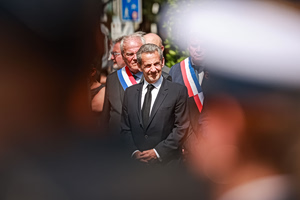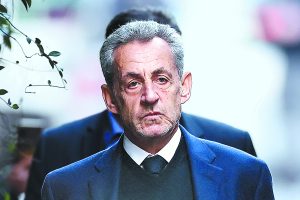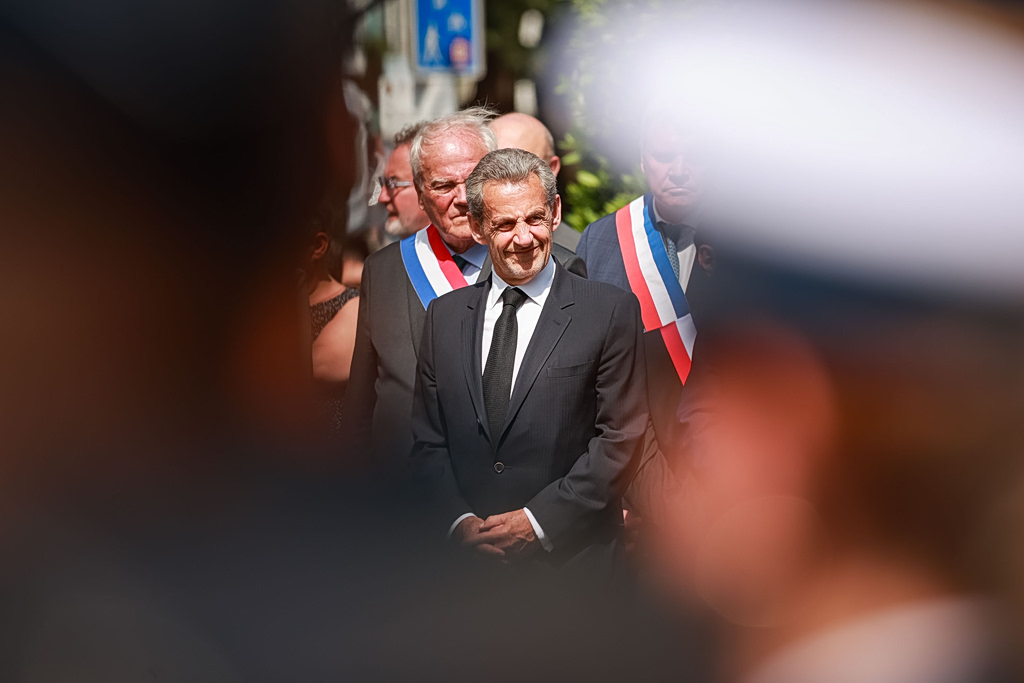

Former French president Nicolas Sarkozy has released a new book detailing the 20 days he spent in France’s La Santé prison, offering a mix of personal testimony, political critique and reflections on his legal troubles. The book, titled “Diary of a Prisoner”, was published in France by Fayard.
Sarkozy was jailed following his conviction over the illegal financing of his 2007 presidential campaign, with funds allegedly originating from Libya. In his 216-page account, he insists he remains innocent and intends to continue fighting to clear his name.
The former president describes the prison environment as “grey” and “violent”, noting that although he was held largely in protective isolation, the conditions were still “harsh”. He compares his cell to a “cheap hotel room” with an uncomfortable mattress, a plastic pillow and a shower with such weak water pressure that it stopped abruptly “as if on a timer.”
On his first day, he writes that when he opened the cell window he saw a prisoner striking the bars with a metal object. “The atmosphere was threatening. Welcome to hell,” he recounts.
Sarkozy says he followed a strict daily routine of washing, shaving, dressing and exercising in a small area equipped with a treadmill. He avoided eating the prison meals, describing the portions as plastic-wrapped and the bread as “like mud.”
Alongside these personal notes, the book also contains pointed political commentary. Sarkozy argues that his party, Les Républicains, should reach out to far-right voters, and he reveals that he spoke by phone from prison with Marine Le Pen. He writes that the French far right does not pose a threat to democracy, even if “many of its members are problematic.”
He also comments on his relationship with President Emmanuel Macron, thanking him for warning about potential risks inside La Santé and suggesting a transfer — an offer Sarkozy declined. Instead, two police officers were placed in a neighboring cell for constant monitoring. According to Sarkozy, relations between the two later soured when Macron did not intervene to prevent the removal of his Légion d’Honneur distinction.