
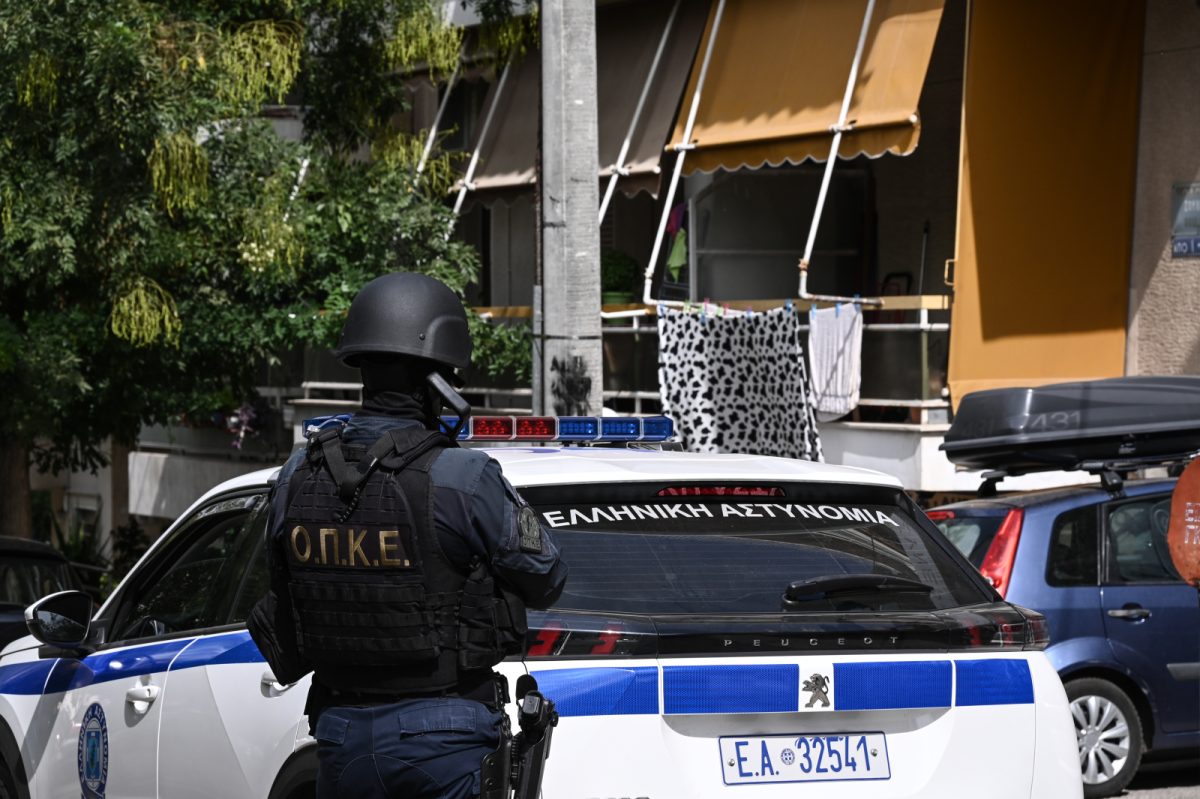
Greece is witnessing a disturbing rise in violent incidents occurring on a near-daily basis. According to newly released data from the Hellenic Police, 31 assaults causing bodily harm are recorded every 24 hours, many of them taking place in public areas. These incidents include street fights, disputes over minor traffic issues, and even attacks against sanitation workers and unsuspecting pedestrians.
In addition, authorities report 33 cases of verbal abuse, 3 acts of vigilante justice, and 60 domestic violence cases per day, signaling a concerning trend in both public and private spheres.
Crime Wave Spreads Across Urban and Regional Areas
Each day, Greek police record 136 thefts and burglaries, 9 armed robberies, 45 vehicle thefts, and 40 drug trafficking cases. A further 22 scams involving fake traffic accidents target mostly elderly citizens—an area of crime that has seen continuous growth.
The Attica region, which includes Athens, is the hardest hit, accounting for 62% of all burglaries and 25% of the country’s homicides during the first five months of 2025.
Mental Health System Struggles to Cope
The data also reveal a sharp increase in mental health-related emergencies. Every day, 21 individuals with psychological issues are committed to psychiatric facilities by court order—a 26% rise compared to 2024. However, most remain hospitalized for just a short period, often returning to the streets without sufficient care or supervision.
Several high-profile incidents, including a recent car crash at a bus stop caused by an individual with untreated mental illness, have highlighted the risks posed by gaps in the mental health system.
Organized Crime Networks Maintain Stronghold
Authorities link much of the country’s property crime to organized groups. According to a police report on organized crime:
- 66% of thefts and burglaries are committed by domestic gangs
- Of the foreign-led groups, 70% are Albanian, and **10% are Georgian
- 81% of Greek gangs consist largely of Roma individuals
The government credits recent reductions in some crime categories to intensified policing in western Attica—identified as a key source of criminal activity that extends across the country, involving an estimated 30,000 individuals.
Alarming Spike in Fraud and Cybercrime
While some categories of crime have seen declines, fraud is rising sharply. The first five months of 2025 saw:
- A 50% increase in scams targeting mostly older citizens
- A 54% surge in computer-related fraud
- In Attica, fraud increased by 80% compared to 2024
These statistics suggest a growing sophistication among criminal networks exploiting digital vulnerabilities and social trust.
Troubling Trends Among Youth and Elderly Offenders
Violent behavior is not limited to typical criminal demographics. Of the 7,531 assaults reported in 2024, some were carried out by:
- 195 children aged 12–14
- Nearly 1,000 teens aged 15–18
- Over 850 elderly individuals
Similarly, vigilante incidents—1,159 recorded nationwide—often involved middle-aged or senior citizens, with 512 offenders aged 45–59 and 471 over 60.
Suicide and Disappearances on the Rise
The suicide toll in 2024 reached 404 individuals, the majority aged 41 or older. The methods included hanging, firearms, and falls from height. In most cases, the motive behind the act remains unclear. Furthermore, 10 people vanish from their homes daily, adding to the country’s growing mental health and social crisis.
Internal Affairs Probe Corruption in Public Sector
Beyond street crime, systemic corruption remains a persistent challenge. In 2024, Greece’s Internal Affairs Division investigated:
- 592 public employees
- Over 1,000 private citizens
These probes uncovered corruption schemes in tax offices, planning departments, and customs agencies across the country, including regions like Evia, Rhodes, and Corfu.
Of the 187 arrests made, those charged included:
- 35 police officers
- 2 firefighters, 2 coast guards, and 3 doctors
- 45 civil servants and 100 private individuals
By early 2025, 257 individuals had been formally charged in corruption-related cases, further exposing the deep roots of bureaucratic misconduct.