 Μake us preferred on Google
 Thessaloniki awoke this morning to the sound of cannon fire over the Thermaic Gulf as the city honors the protector it calls its own. October 26 is a one of its most important and symbolic days for Greece’s northern capital as it celebrates the feast of Saint Demetrius, the city’s patron saint, and the 113th anniversary of its liberation from Ottoman rule.
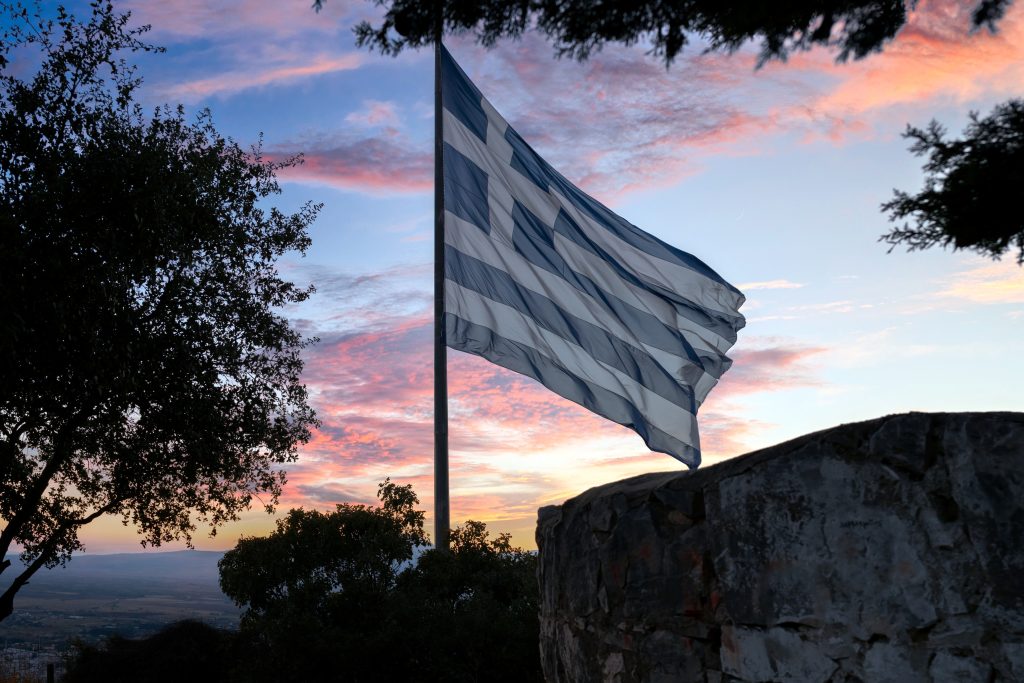
The day began at dawn with a ceremony at the White Tower, Thessaloniki’s emblematic waterfront landmark. The Hellenic Navy Band played the national anthem as the Greek flag — the very same banner that flew above the city the day it was liberated — was raised on a flagpole fashioned from the mast of a Turkish ship torpedoed by Admiral Votsis just days before the Ottoman surrender. Twenty-one cannon salutes followed, echoing through the port as hundreds gathered to watch, many joining in song and applause.
The festivities unfold this year in the presence of the President of the Hellenic Republic, Konstantinos Tassoulas, and the President of the Republic of Cyprus, Nikos Christodoulides, whose joint appearance underscores the deep historical and cultural ties between Greece and Cyprus.
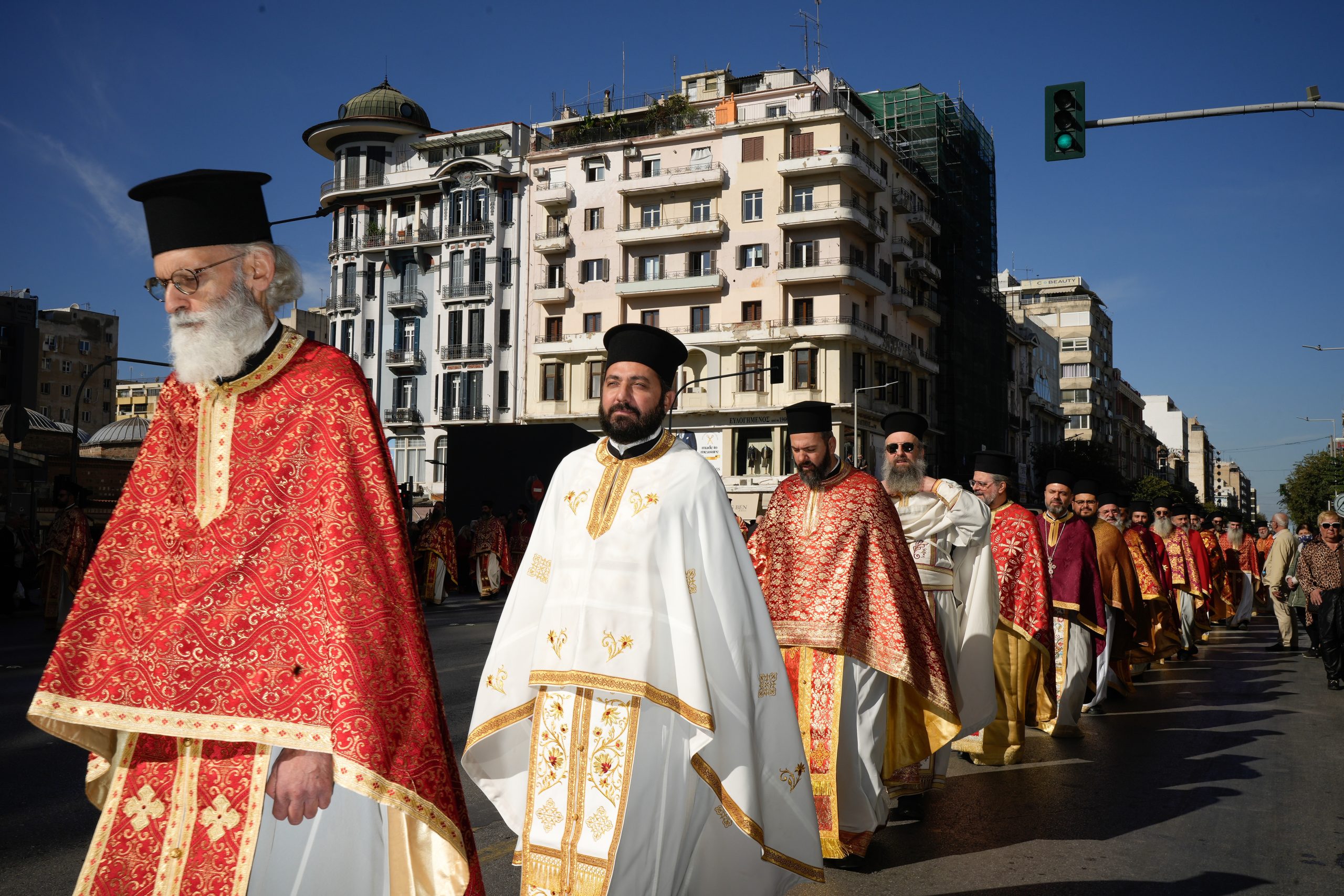
At 11 a.m., the focus turns to the Church of Saint Demetrius — the basilica that has stood for centuries as Thessaloniki’s spiritual heart. Beneath its marble columns and the faint scent of incense, clergy, dignitaries, and citizens gather for a solemn doxology honoring the city’s patron.
Saint Demetrius, according to tradition, was born in 280 AD and martyred in 306 AD by order of the Roman Emperor Galerius. A young Christian and soldier, he was executed by spearing at the site where his crypt remains to this day. His relics, long kept in Italy, were returned to Thessaloniki in 1980 and continue to draw pilgrims from across the Orthodox world.
In the centuries that followed, the saint became more than a symbol of faith — he became a defender of Thessaloniki itself. Through invasions, fires, earthquakes, and occupations, locals credited him with protecting their city. That the city’s liberation from Ottoman rule occurred precisely on his feast day in 1912 only deepened that conviction.
The surrender came after tense negotiations between Crown Prince Constantine, leading the Greek army, and Ottoman general Hasan Tahsin Pasha. Surrounded by Greek forces, Tahsin Pasha agreed to hand over Thessaloniki late in the evening of October 26. The next morning, Greek troops marched through its rain-soaked streets as crowds erupted in celebration — a moment that, for many, seemed to confirm Saint Demetrius’s enduring guardianship over the city.
Two days later, King George I arrived to raise the Greek flag at the White Tower, symbolizing the city’s return to the modern Greek state. The flag that flew that morning — now raised again each year — remains one of the most potent emblems of Thessaloniki’s rebirth.
This evening, the city’s commemorations continue at the Aristotle University of Thessaloniki, where officials, clergy, and citizens will gather for a ceremony honoring the city’s patron, its liberation, and the heroes of 1940. Honors will be presented to both presidents, a gesture uniting past and present, faith and state.
In Thessaloniki, October 26 is not simply a date — it is a mirror of the city’s soul. The rhythm of the day, from cannon fire to hymn, recalls a city that has survived conquest, catastrophe, and change yet continues to thrive.