 Μake us preferred on Google
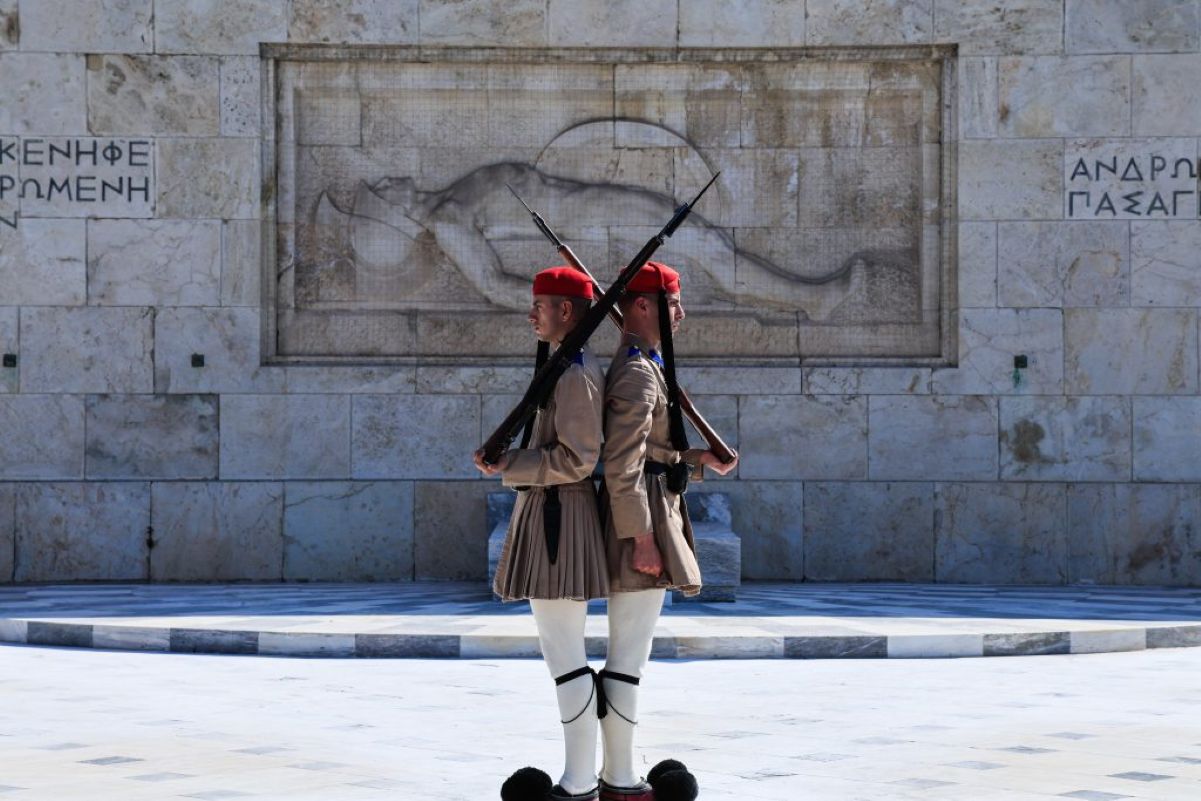
 The Greek government is expected to table an amendment next week aimed at clarifying the details about the transfer of responsibilities of the Tomb of the Unknown Soldier, situated in front of the country’s parliament building in Syntagma Square in Athens, to the Ministry of Defense, the City of Athens, and the police.
The measure will include prison sentences of up to two years for anyone who vandalizes, damages, sprays graffiti, or attempts to stage demonstrations at the site.
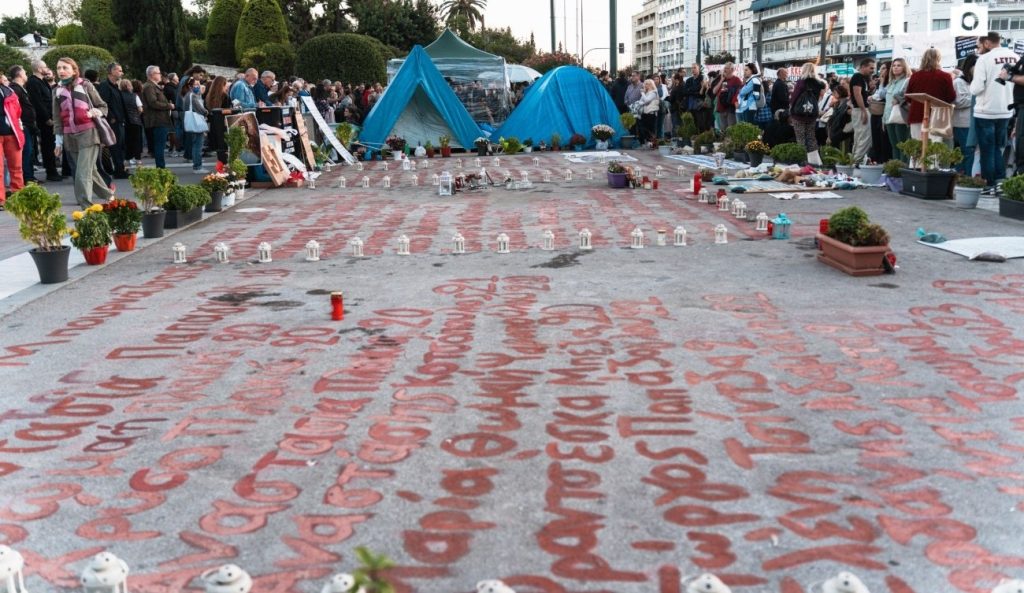
The initiative follows a hunger strike by Panos Ruci, a father of one of the 57 Tempi rail collision victims, who had camped out at the site over several weeks to demand that judicial authorities approve his request for an exhumation of his son’s body. His protest garnered widespread media attention in Greece, sparking intense debate in the public sphere about the use of the site as a platform for protests.
The exact wording of the amendment is expected to address questions that have arisen even among the agencies that will be entrusted with the area, including the Defense Ministry, the police, and the City of Athens.
Practical issues remain open, such as who will be in charge of cleaning and maintenance and whether the ban on demonstrations will apply only to the immediate vicinity of the monument or extend to the entire sidewalk in front of Parliament, up to Amalias Avenue, a site long used for various rallies, including by some current ruling party ministers.
The government is expected to face criticism from Evangelos Venizelos, a highly respected constitutional professor and MP, who claimed the Mitsotakis government had created an institutional deadlock, speaking to public broadcaster ERT.
Venizelos said that no citizen questioned the need to respect the Tomb of the Unknown Soldier, but added that “this does not mean you impose control by the armed forces within the Parliament courtyard or place part of the country’s central square, the heart of its democratic public space, under military authority.”
He stressed that any legislative change must respect “tradition, history, the Armed Forces themselves, the Evzones, the Presidential Guard, which belongs to the Presidency of the Republic, the autonomy of Parliament, the Constitution, and the rights and collective freedoms of the Greek people.”