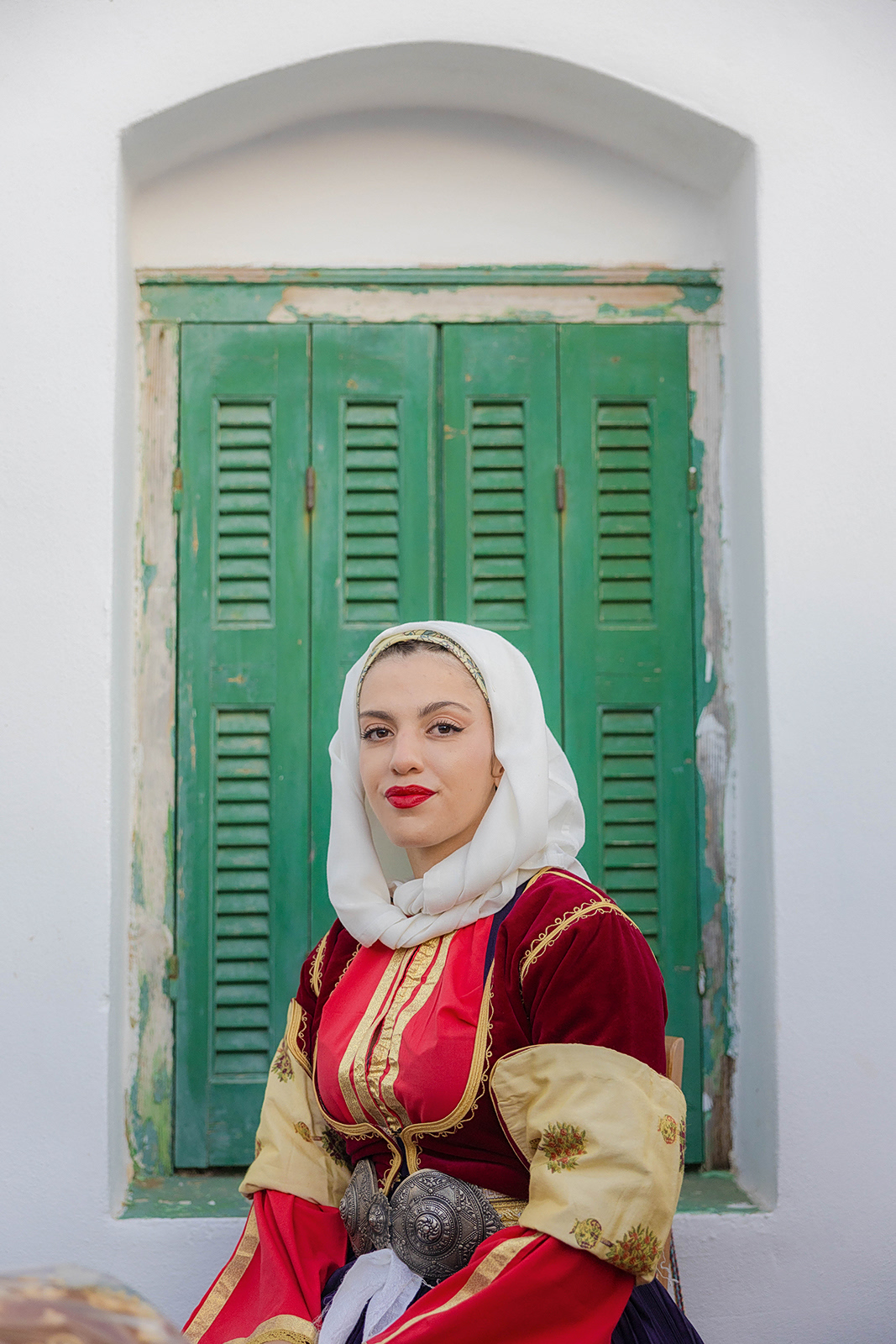
They were never just garments or expressions of style. They signaled participation in a collective system, built on symbols and strict rules, revealing the wearer’s age, marital status, social position, and place of origin. Every detail—how a belt was tied, the color of fabric, embroidery density, or garment sequence—carried social meaning understood instantly within the community.
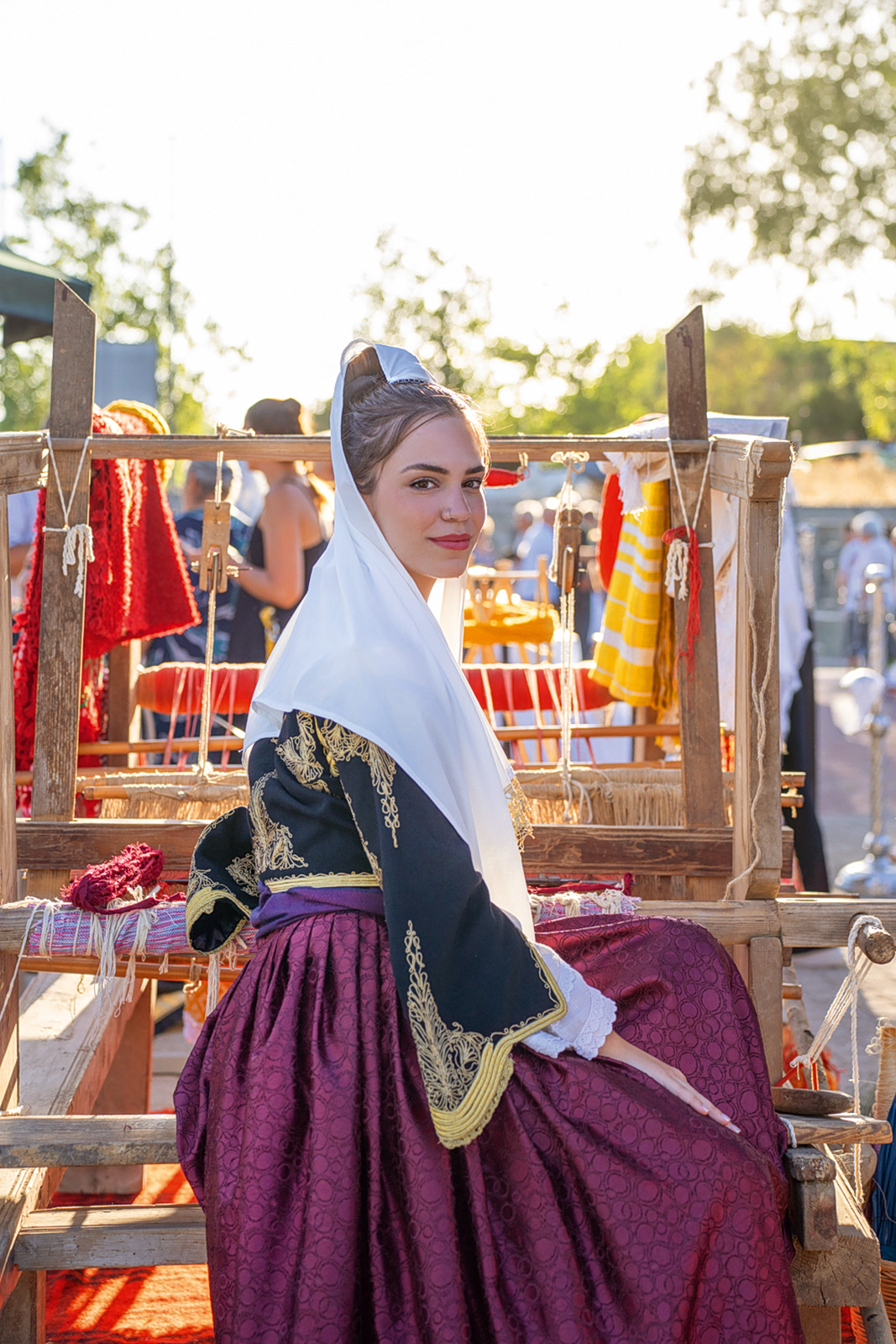
Each region of Greece developed its own costume tradition, shaped by climate, economy, materials, trade, and social conditions. Island and mainland styles differed, as did urban and rural versions, everyday and ceremonial dress. Bridal costumes were the most elaborate expression of this coded language.
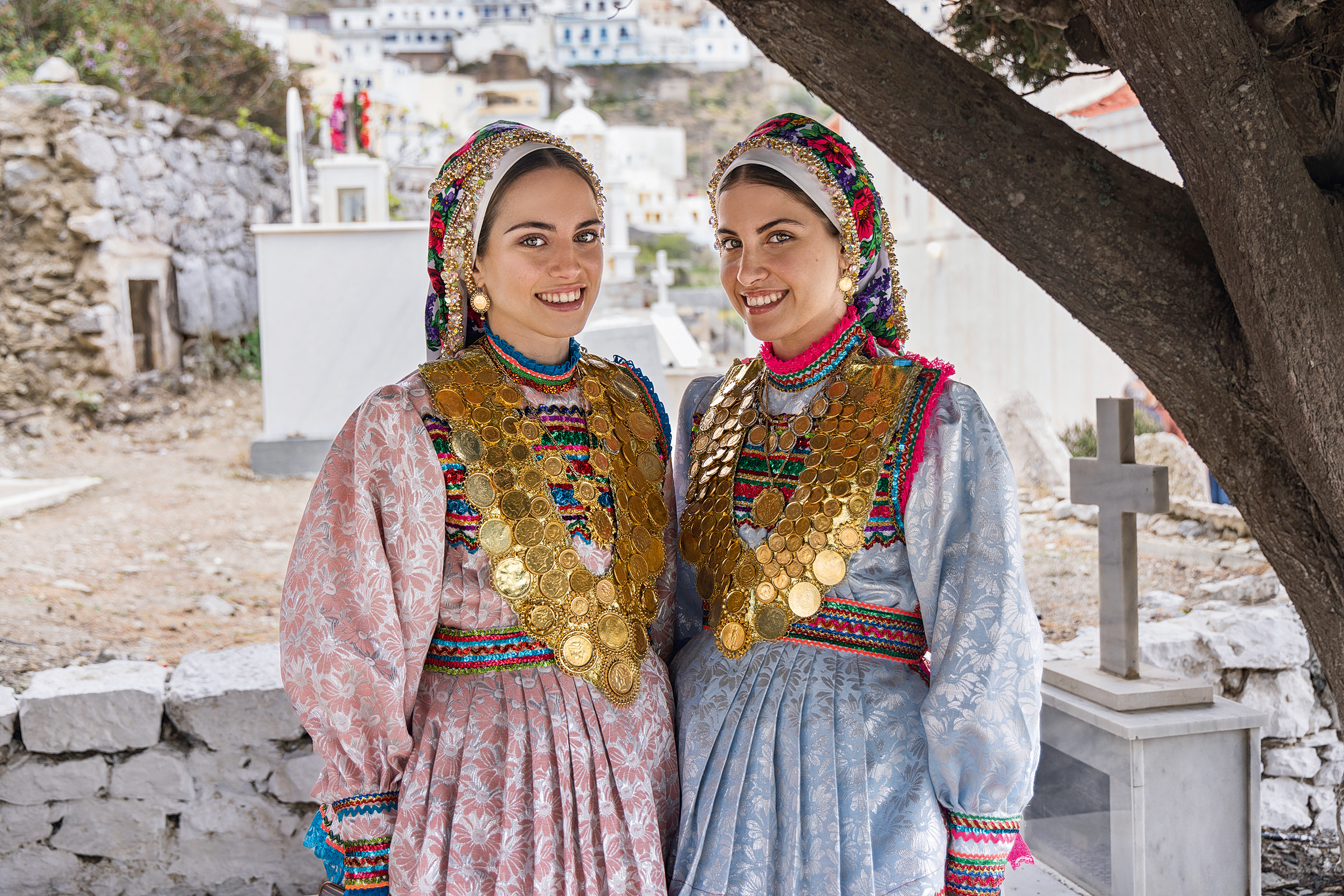
Modern research now treats these garments as historical documents rather than folklore. They reflect a world where community shaped identity and appearance functioned as social communication. Nothing was arbitrary; everything followed structure, tradition, and meaning, with variation seen in fabric quality, embroidery skill, and family wealth.
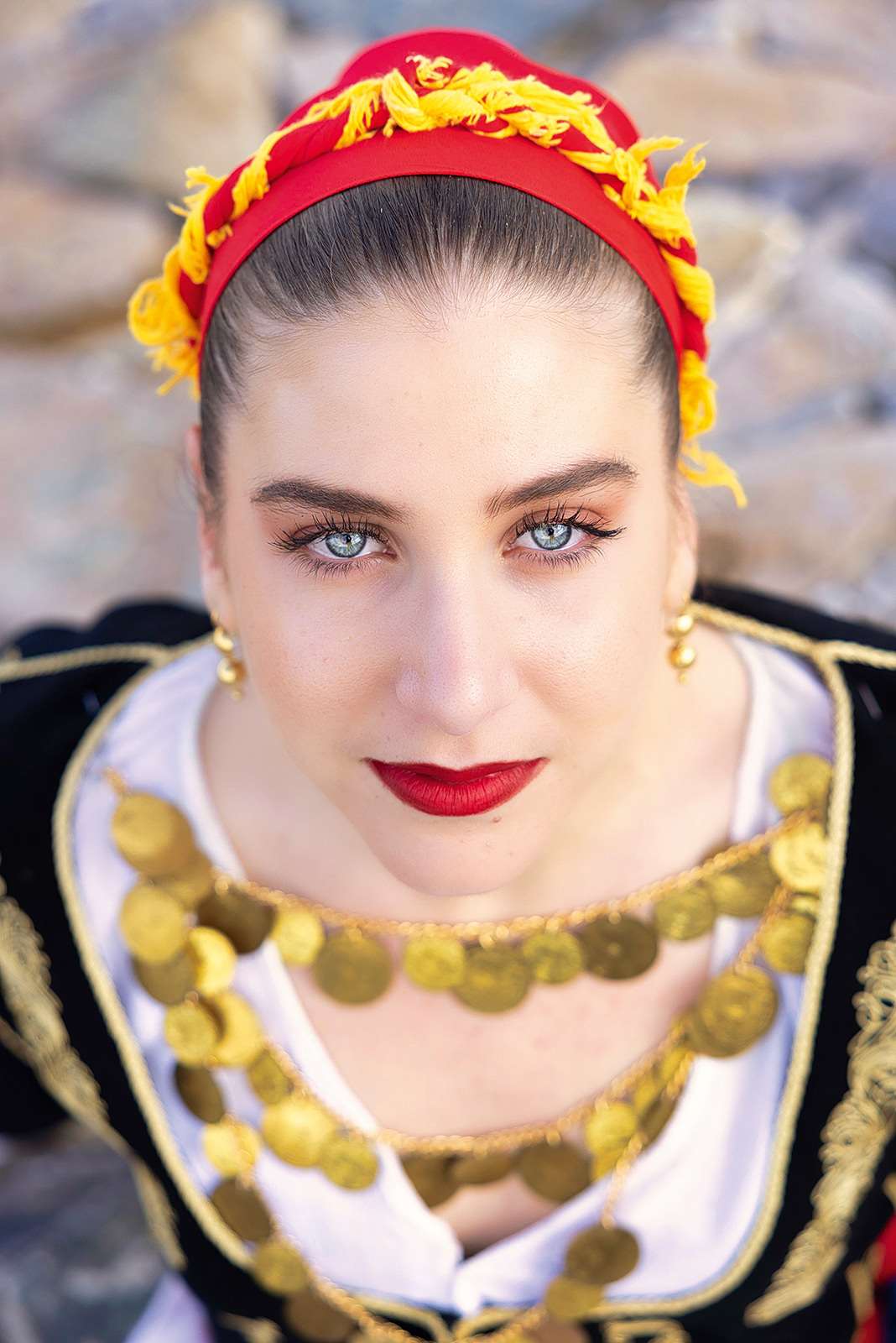
Women’s dress carried even deeper symbolism, revealing marital status, motherhood, widowhood, and social class. In some regions, such as Sarakatsani communities in Thrace, dozens of decorative elements formed a complex system of recognition.
Bridal costumes were the most theatrical form of this culture—heavy, elaborate, and made from the finest materials. Gold dominated urban dress, while red symbolized fertility and life in rural areas. Some costumes, with jewelry and ornaments, could weigh up to thirty kilograms, almost erasing the body beneath layers of fabric and symbolism.
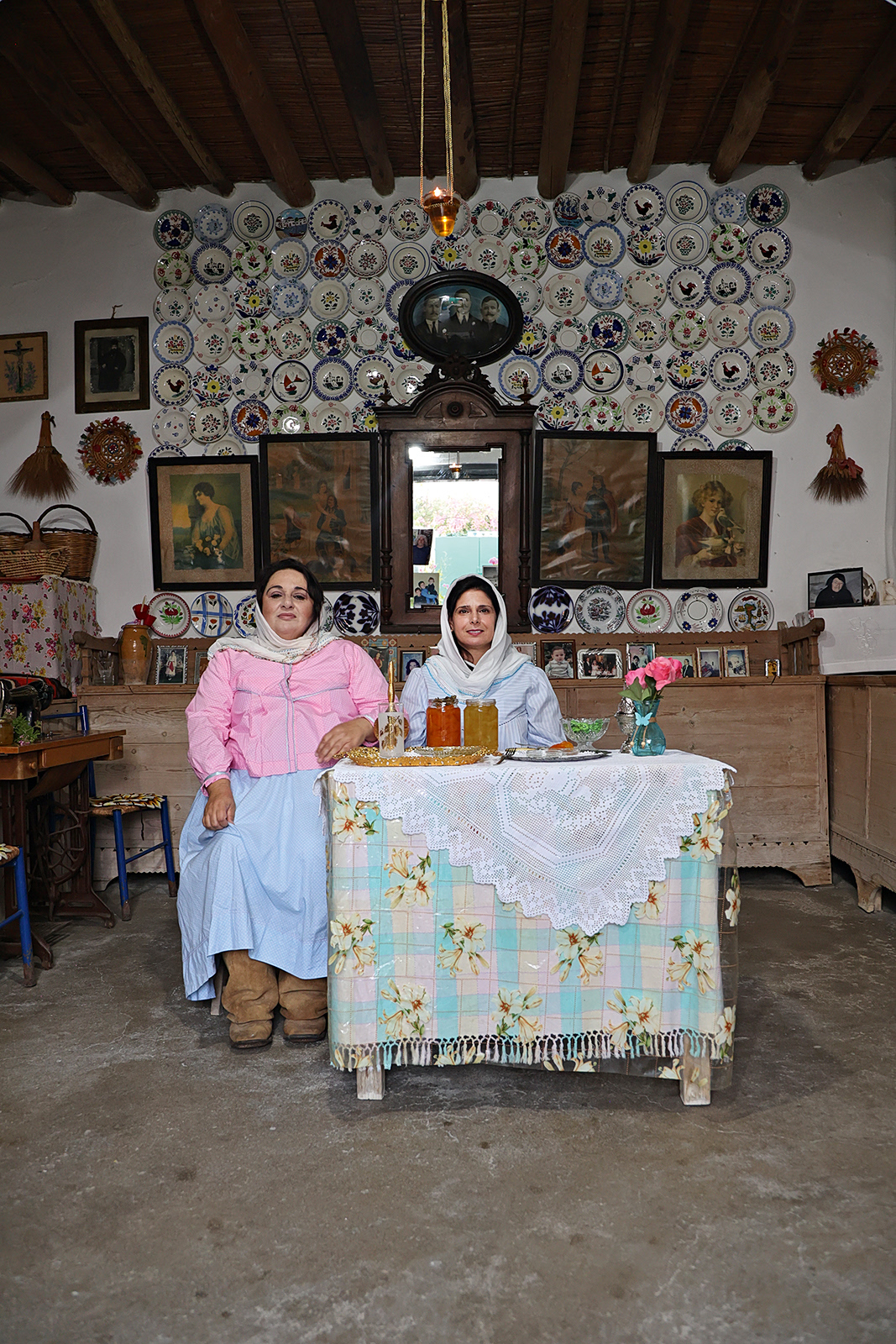
Nothing in a bridal outfit was accidental. Motifs such as pomegranates, birds, and ships symbolized fertility, prosperity, and good fortune. Crosses, colored stones, and double-headed eagles were believed to protect against misfortune and the evil eye. Even the headpiece was thought to carry protection and happiness, often gifted by the groom or mother-in-law.
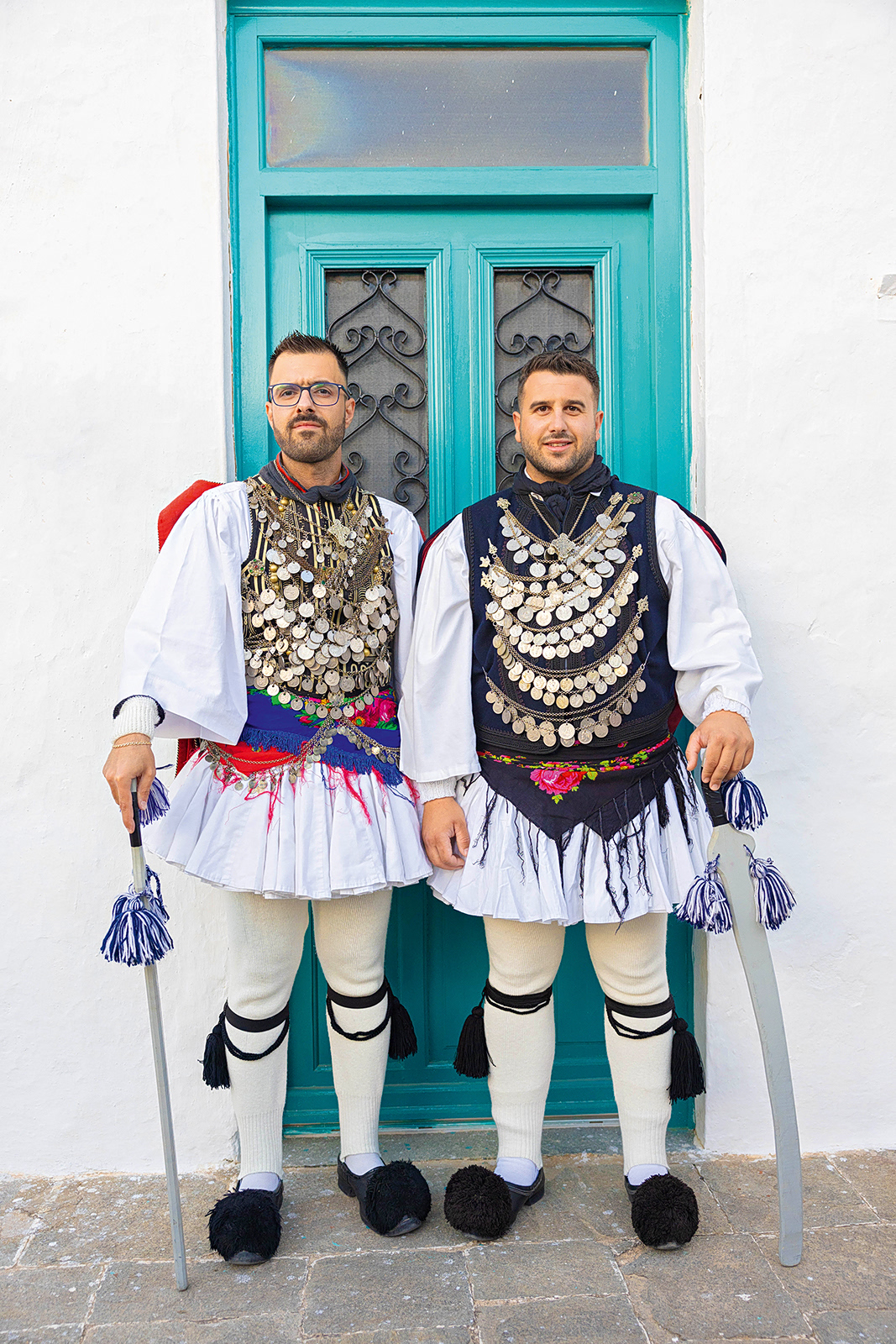
None of this would exist without the art of embroidery. Greek embroidery of the 18th and 19th centuries represents one of the most refined forms of folk art. Using silk, cotton, wool, and fine gold or silver thread, women created intricate surfaces filled with symbols and storytelling. The famous gold-embroidered “terzidika” transformed clothing into precious objects.
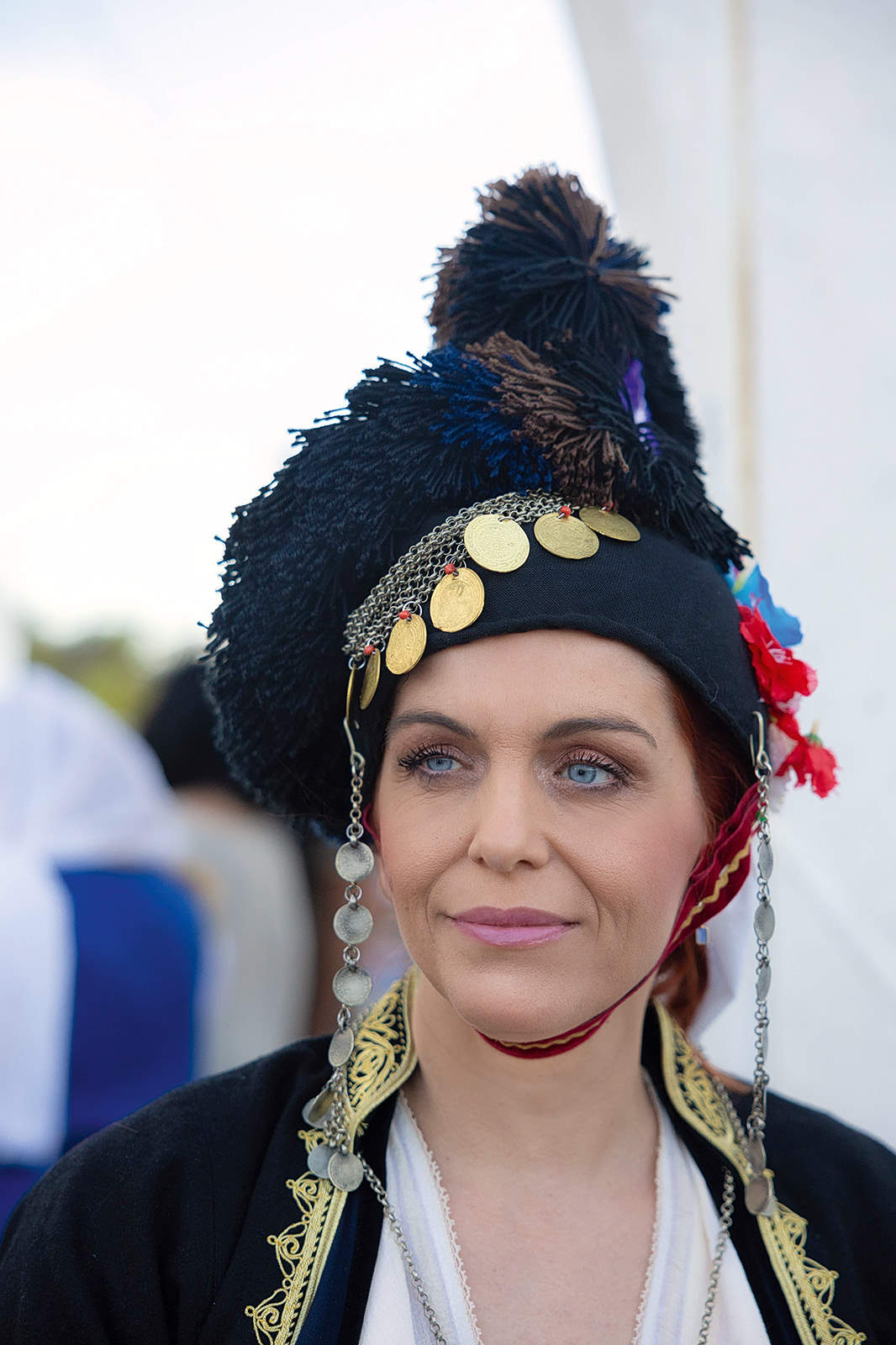
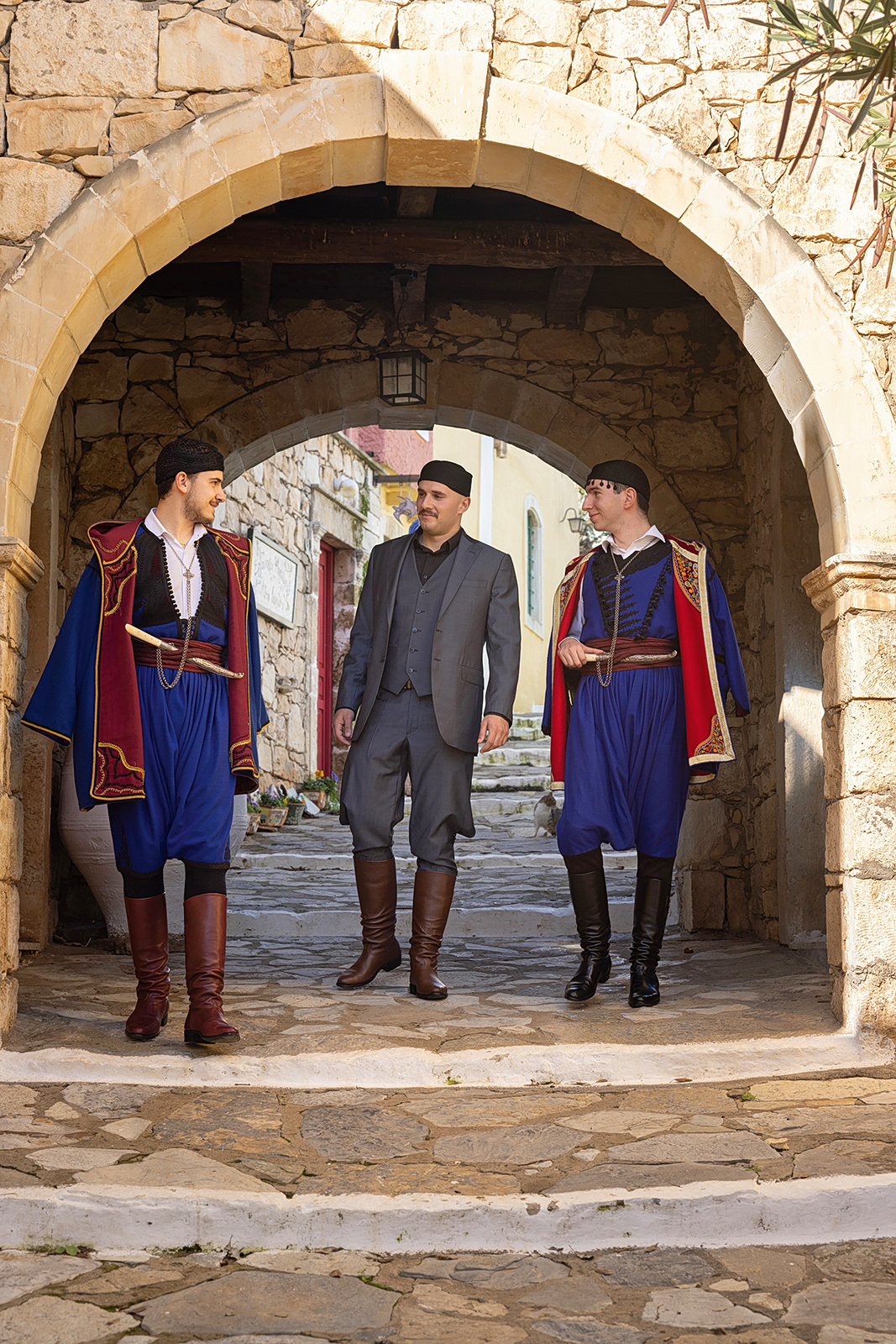
Both men’s and women’s traditional costumes reveal details about origin and economic status. Wealth was often displayed through gold coins, while large knives symbolized strength and dominance.