 Μake us preferred on Google
 Basketball fans across Europe, and not only, are ready for the 2025-26 Euroleague battles, as the 20 teams will start their campaigns tomorrow in the second-best league in the world after the NBA.
In their quest to secure the “holy grail” of European basketball trophies, the big spenders in the top-tier club competition have splashed out huge sums to sign the best players.
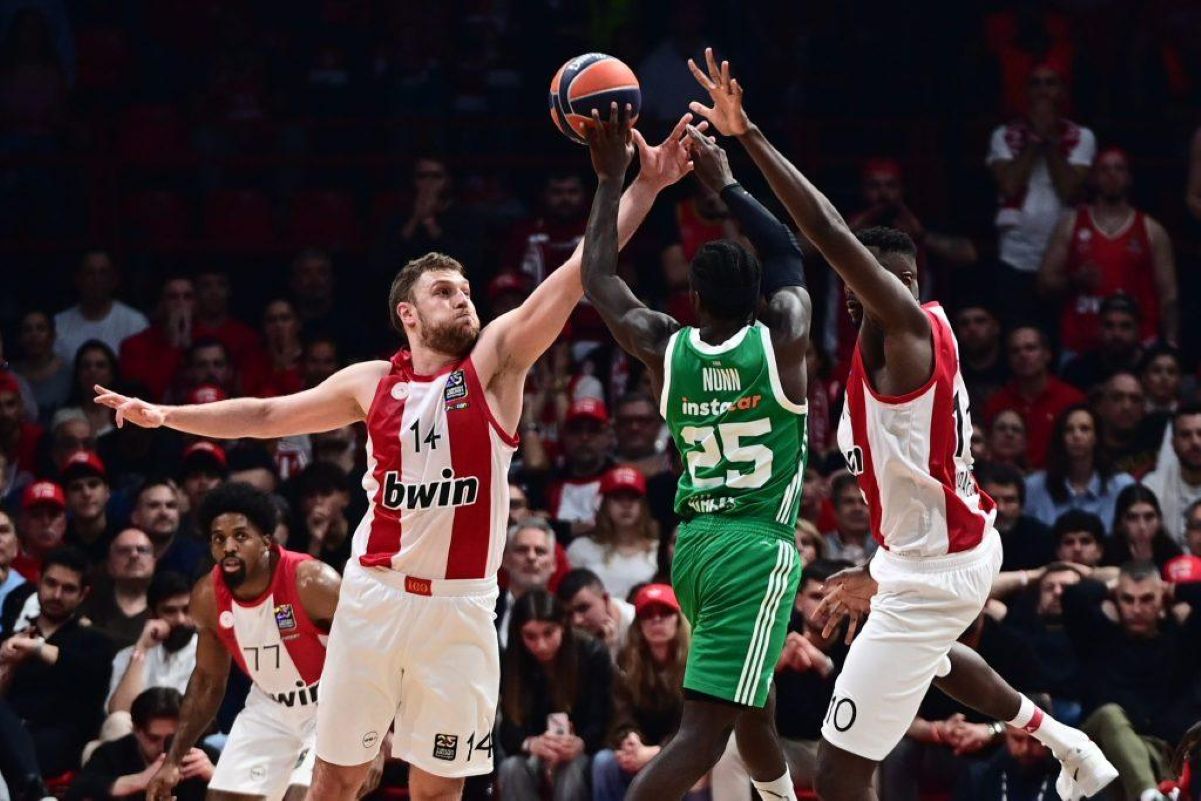
Until recently, Greek giants Panathinaikos BC held the record for signing the highest contract to a player. Last season’s MVP, Kendrick Nunn, agreed to a deal through 2028 worth €13.5 million total—about €4.5 million per year. The former LA Lakers guard found the perfect environment in Athens to thrive, with the large bundle in his bank account playing a pivotal role in his decision.
This year, however, Serbia’s Vasilije Micic became the king of the heap. After a 2-year stint in the NBA, the Serbian star crossed the pond and signed with Hapoel Tel Aviv on a “golden” deal: €14 million net over three years, plus club shares—about €4.7 million annually. That makes him the highest-paid player in the competition.
Sasha Vezenkov of Olympiacos BC turned down $6.6 million from Toronto to come back to Olympiacos. The Reds locked him in for five years at €17 million total, or €3.4 million annually. A symbolic figure, returning to lead Piraeus back to the top.
Other EuroLeague top earners include:
Shane Larkin (Anadolu Efes): ~€3.2M per year
Dzanan Musa (Dubai BC): €10M over three years (~€3.3M annually), nearly double his Real Madrid salary
Evan Fournier (Olympiacos): €2.7M
Mathias Lessort (Panathinaikos): €2.7M
Kostas Sloukas (Panathinaikos): ~€2.6M
Mike James (Monaco): just over €2.5M
Walter Tavares (Real Madrid) & Elijah Bryant (Hapoel Tel Aviv): ~€2.3M each
The tax problem.
This ranking also reveals major inequalities in taxation. In Spain, players face 45–50% tax rates, meaning clubs like Real Madrid and Barcelona must offer much higher gross salaries to lure stars. By contrast, Greece’s rate is ~30%, Turkey’s is just 15%, and Monaco’s is zero. That’s why the EuroLeague is moving step by step toward implementing Financial Fair Play, to restore balance and prevent teams from being crushed under heavy tax burdens.
The numbers are eye-popping, but behind them lie different philosophies: some players seek security and stability, others return to Europe to reclaim stardom, while clubs invest huge sums to keep fans’ dreams alive.
The EuroLeague is thus entering a new era, where battles are fought not only on the court but also on the contract and financial chessboard.