The Athens Science Festival (ASF) is back this December, bringing with it a renewed sense of wonder and a bold new twist. From December 18-21, the Athens Conservatory will transform into a vibrant hub where science, innovation, and art meet the spirit of the holidays. Interactive exhibits, spectacular science shows, workshops for young explorers, and major international performances promise a week of discovery for families, students, and science lovers.
Ahead of the festival, To Vima International edition spoke with Maria Vlastara, Executive Director at the Athens Science Festival., about its mission, evolution, and what visitors can expect from this year’s Christmas-themed edition.

Maria Vlastara, Executive Director at the Athens Science Festival.
What is the festival’s founding purpose?
The founding purpose of the Athens Science Festival was—and still is—to bring science, technology, innovation, and art closer to the wider public. When it began in 2014, its mission was to show that science is not something distant or “difficult,” but a vibrant, creative force that shapes our everyday lives. From the very beginning, we wanted to create a space where people of all ages could discover the research happening in Greece and abroad, feel inspired, cultivate curiosity and critical thinking, and experience science through activities that combine knowledge with entertainment. The festival also acts as a bridge: it brings the public into dialogue with the academic, research, and business community, contributing to the development of an open and outward-looking scientific culture. This has been its purpose from day one — and it remains the same today.
How has the festival evolved since its inception, and what milestones stand out?
From 2014 until today, the Athens Science Festival has followed an impressive trajectory. From the outset, it started strong: with high-profile speakers, both Greek and international scientists, and collaborations with major research institutions. Already in the early years we hosted personalities such as John Ellis, James Beacham, Stamatis Krimizis, Constantinos Daskalakis, as well as Nobel Laureates like Peter Agre and Svante Pääbo. This high standard wasn’t something that developed slowly — it was in the festival’s DNA from the beginning.
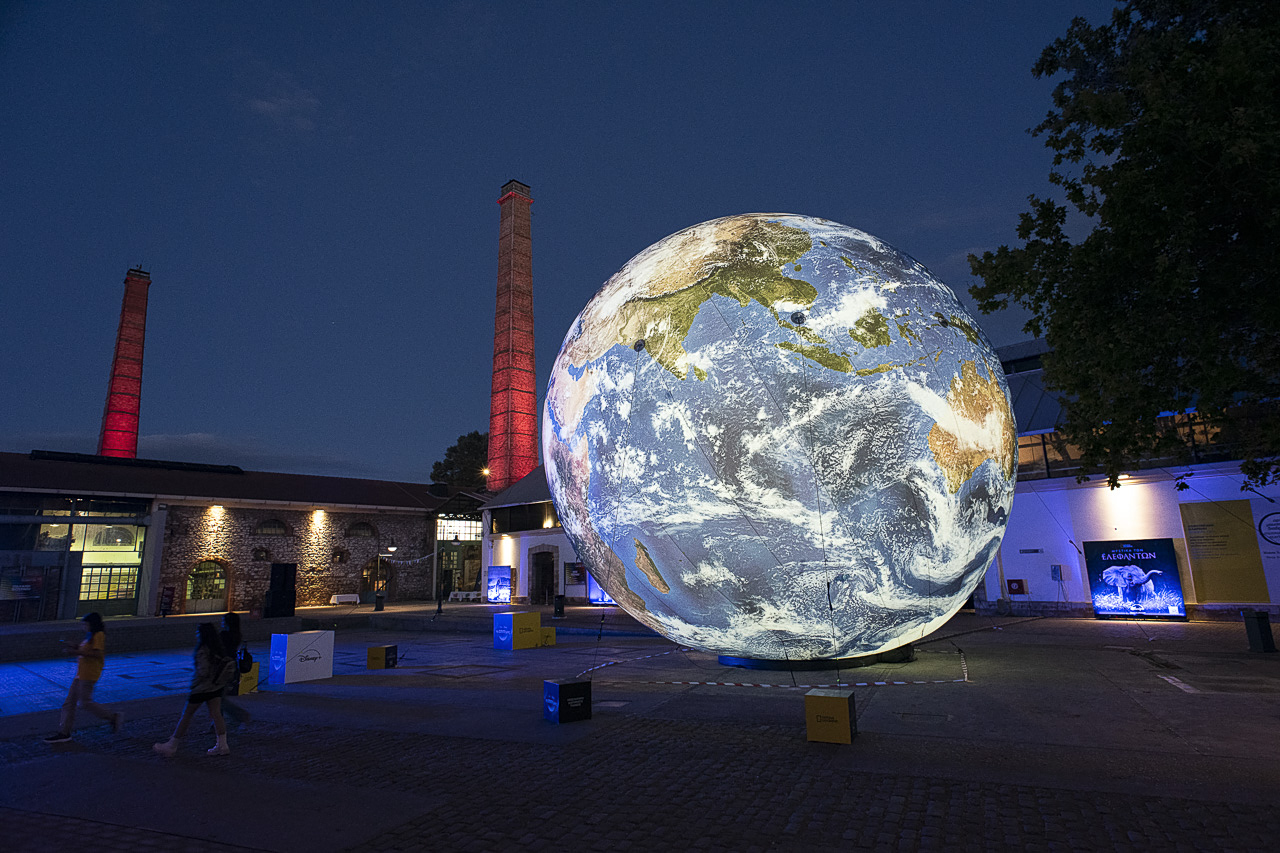
Over the years, this level has not only been maintained but strengthened. In 2024, when we celebrated the festival’s 10-year anniversary, we welcomed six National Geographic Explorers, two major international installations — a digital aquarium and an impressive Earth sphere — along with even more international creators and scientists. Each year, our partnerships multiply, both in Greece and abroad. At the same time, we have built a stable and meaningful relationship with all universities and research institutions in the country, as well as with school groups, student communities, and youth teams that actively participate in the festival. This community continues to grow.
Progress is also clear in our audience: more visitors every year, more age groups, broader reach. And as society changes, our communication evolves — fresher, more contemporary, more open across social media and new platforms. Today, the festival is in a mature and dynamic phase: it stays true to its original vision, while constantly evolving, expanding, and opening up to new audiences and new ideas.
What new elements and experiences can visitors expect from this year’s festival?
This year, the Athens Science Festival is different on many levels. For the first time in its ten-year history, the festival moves into the heart of the Christmas season and adopts a new identity as The Christmas Lab. The Christmas theme isn’t just atmospheric — it shapes the content itself. The children’s workshops have been specially designed for the season, with experiments and activities that connect Christmas with chemistry, biology, geology, and physics. Kids will discover, for example, how “festive” crystals are formed, how genetics explains the traits of a… Christmas reindeer, or how materials science is hidden inside ornaments and holiday constructions.
The interactive exhibition is also enriched with festive scientific experiences: robotics and engineering through Christmas-themed builds, small “mysteries” solved by children like little Santa-detectives, and sustainability activities viewed through a holiday lens. We are hosting major international shows coming to Greece for the first time, such as Bubble Revolution, as well as impressive science shows and performances that blend science with the magic of the season. At the same time, we are strengthening the science-theater component: presenting the theatrical production Christmas Busters, where a Christmas story intertwines with physics concepts through theater, and Karagiozis the Scientist, an original approach that merges Greek shadow-puppet tradition with science education.
Info
The Athens Science Festival 2025 is organized by the educational organization SciCo – Science Communication and the British Council, in collaboration with numerous academic, research, and educational institutions.
View this post on Instagram
For the full festival program, click here.
To purchase tickets, click here.
Stay updated with the latest science news by following the festival on its social media channels or visiting the official website.
Tickets:
- General Admission: €5
- Children up to 3 years old: Free
- School Visits: €8 per student
Schools can register at: https://www.athens-science-festival.gr/schools-visits/