The shockwave from the recent U.S.–Israeli missile strikes in the heart of Tehran was expected—if not inevitable. Yet its reach carried a powerful symbolism.
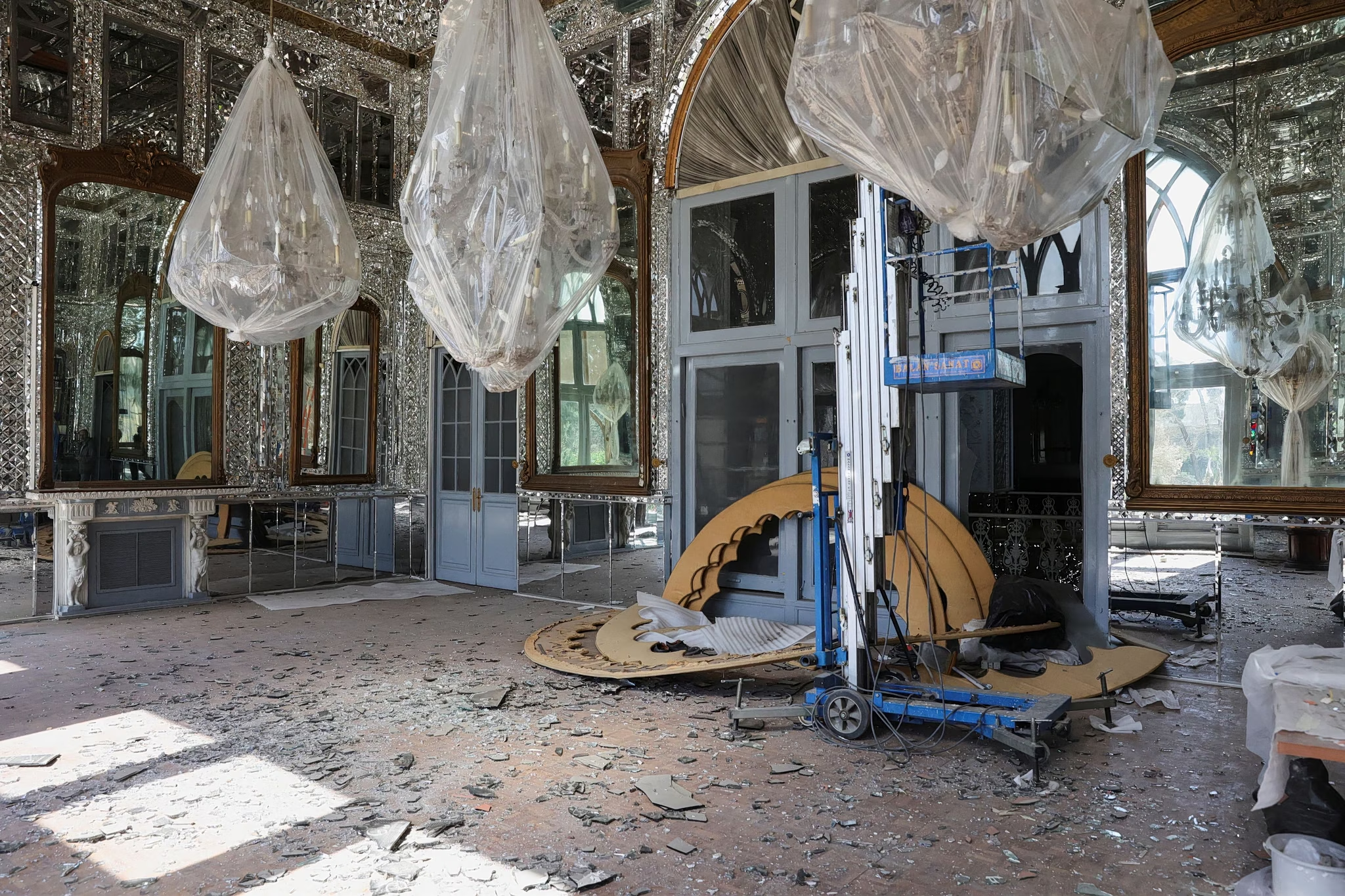
The blast rippled through the fragile mirrors of the historic Golestan Palace. Some of them—mirrors that for two centuries had reflected the fading grandeur of Iran’s shahs—cracked within seconds.
The scene was almost poetic in its tragedy: fragments of war falling onto a palace that had already survived revolutions, regime changes, powerful dynasties, and the collapse of an empire.
Silent Witnesses to History
Built beneath the snowy peaks of the Alborz Mountains, Iran’s imperial palaces stand today as silent witnesses to a turbulent history—one that, in recent days, is unfolding with alarming speed.
They are not merely architectural wonders or lavish relics of a fallen dynasty.
In many ways, they are centuries-old observers of Iran’s shifting centers of power—a crossroads where absolute authority, aesthetic utopia, and now the brutal reality of war collide.
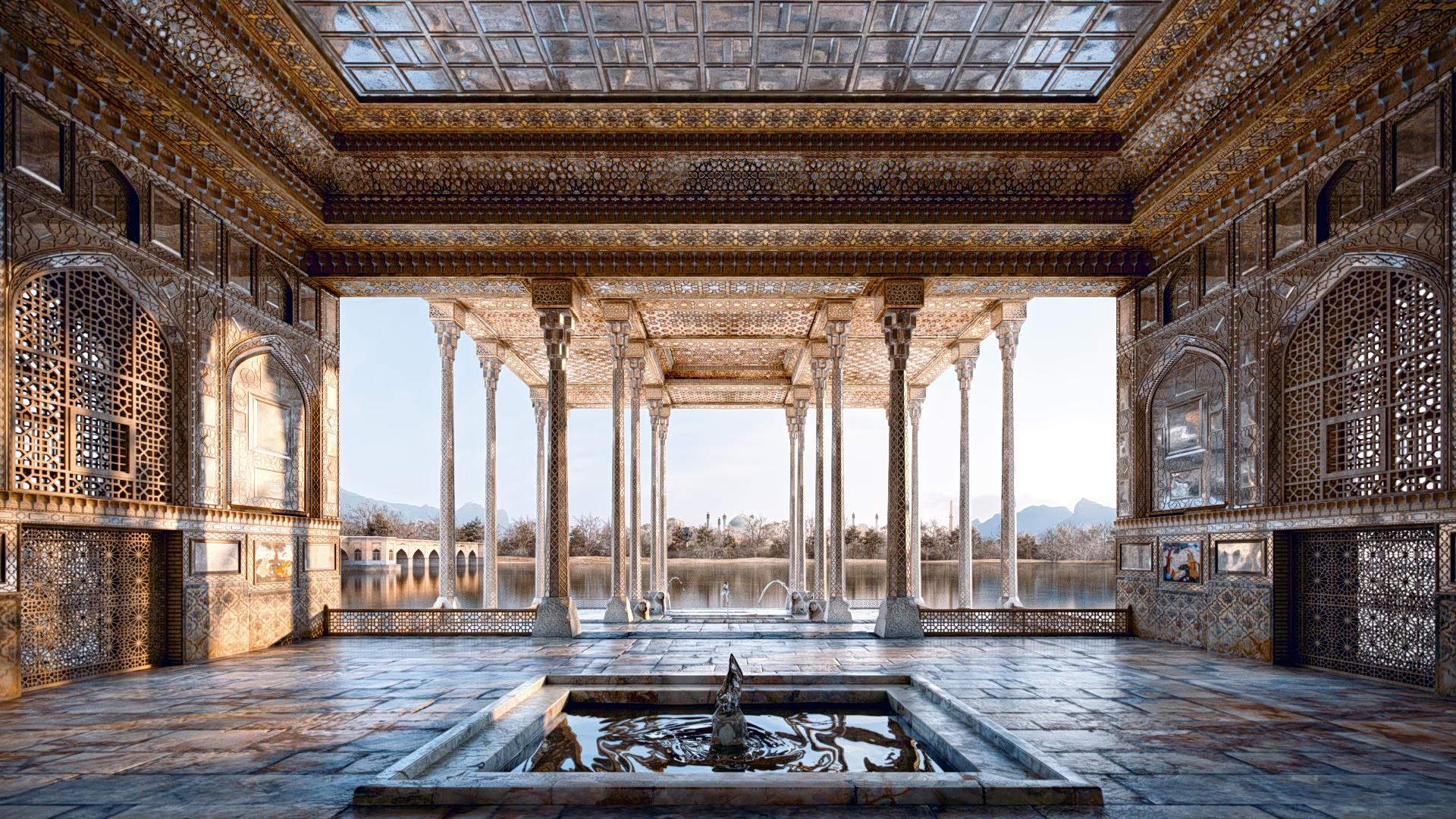
From the ornate courtyards of the Qajar dynasty to the modernist salons of the Pahlavi dynasty, Iran’s palaces silently narrate the story of a nation that has long balanced—sometimes uneasily—between East and West.
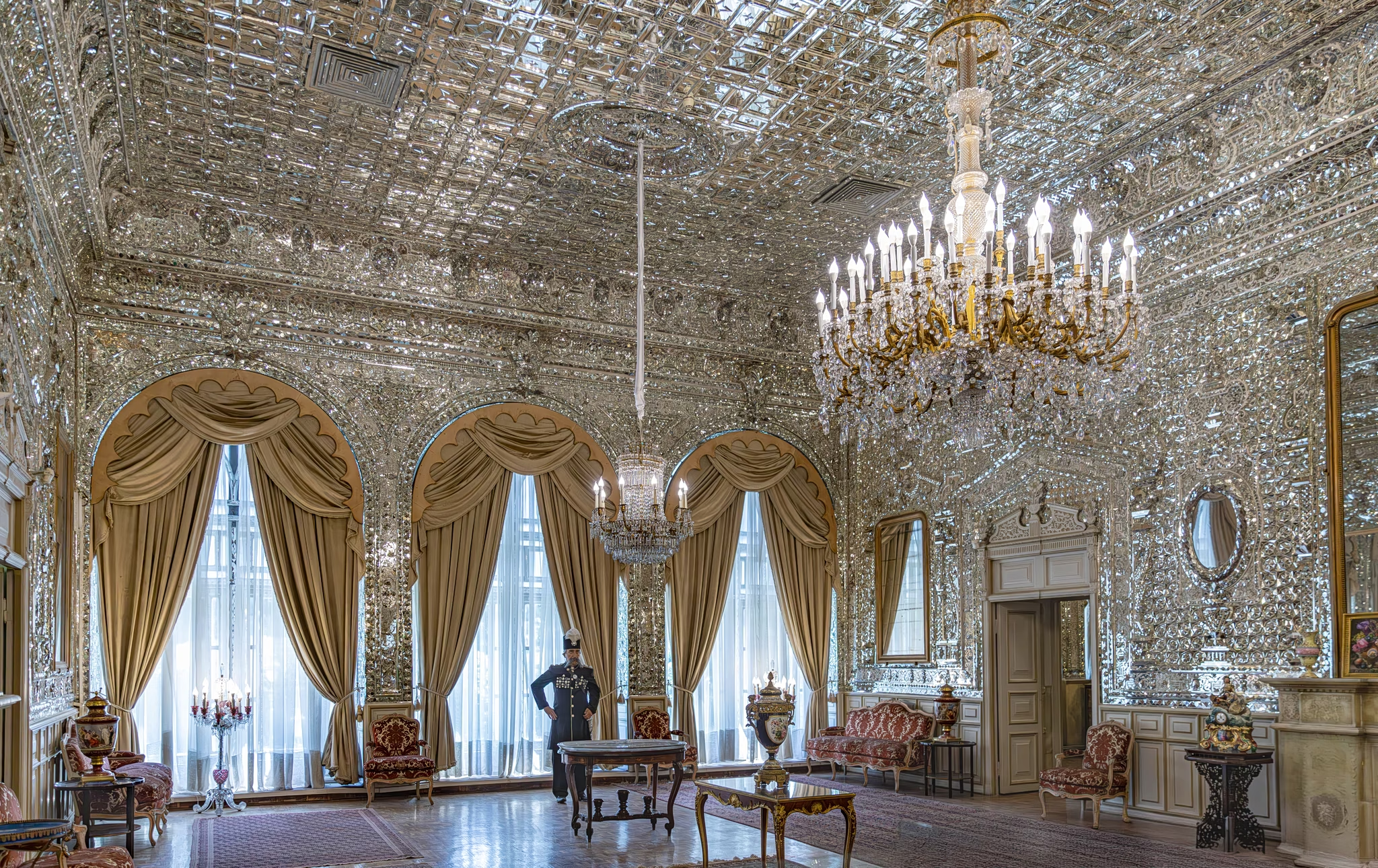
Golestan Palace: The “Rose Palace” Cracks
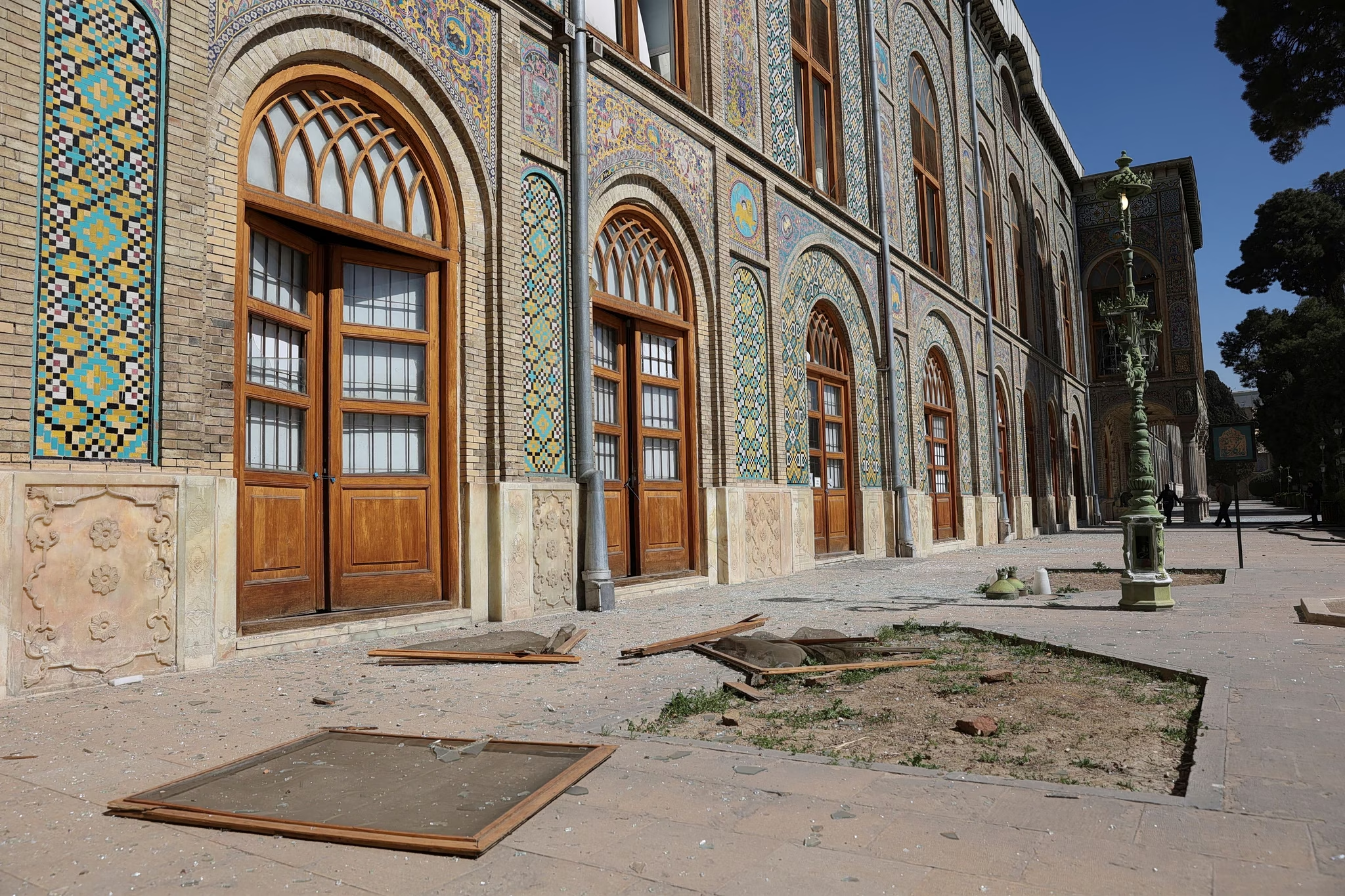
The war-damaged Golestan Palace—often called the “Rose Palace”—is Tehran’s oldest historic complex and a UNESCO World Heritage site.
It is also the ultimate symbol of the Qajar dynasty, the rulers who were later violently displaced by Reza Shah Pahlavi in the 1920s, paving the way for the rise of the Pahlavi monarchy led by his son Mohammad Reza Pahlavi.
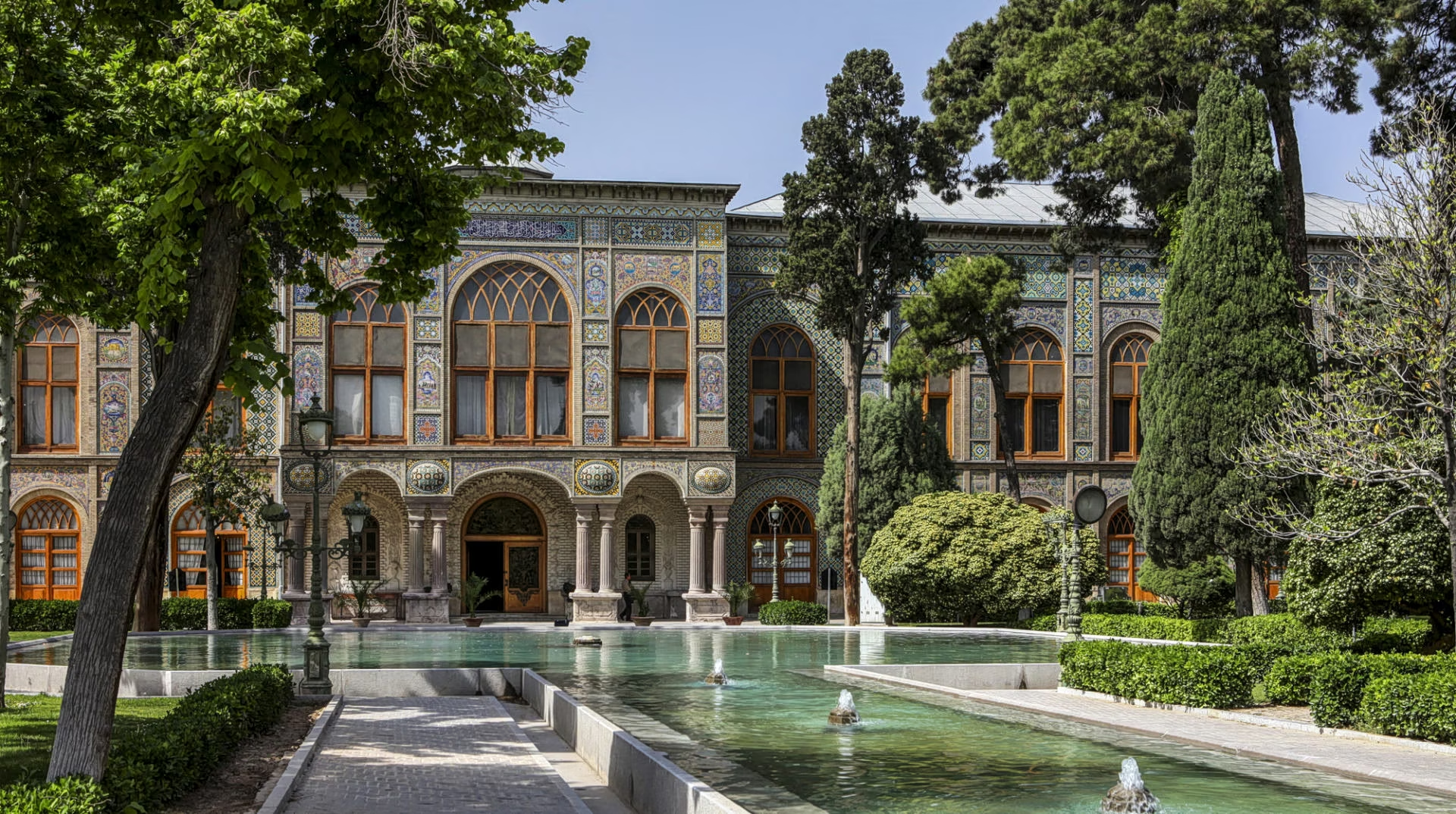
At Golestan, classical Persian artistry—intricate multicolored tiles, fountains set in lush gardens, and tall wind towers—blends with the European influences that shaped 19th-century royal taste.
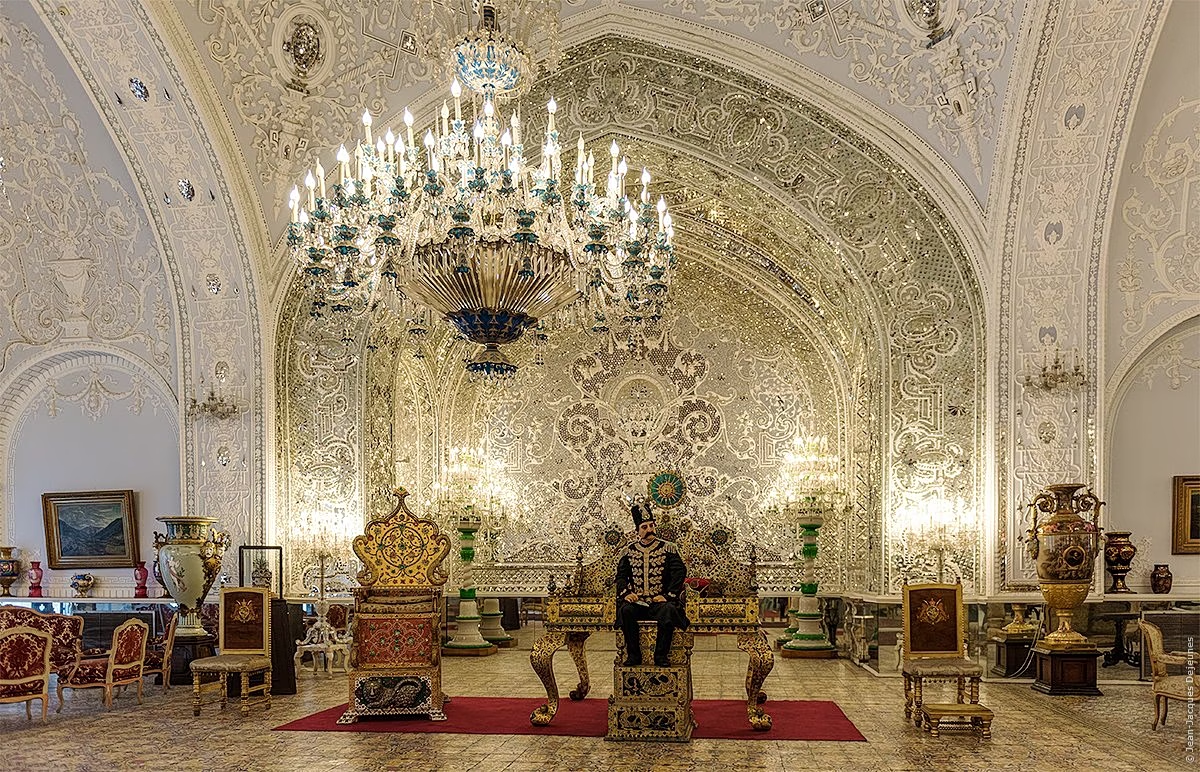
At the heart of the complex lies the famed Mirror Hall, whose walls and ceilings are covered with thousands of tiny mirror fragments that create a dazzling, prism-like illusion. For decades, the hall hosted royal ceremonies and coronations, centered around its magnificent marble throne.
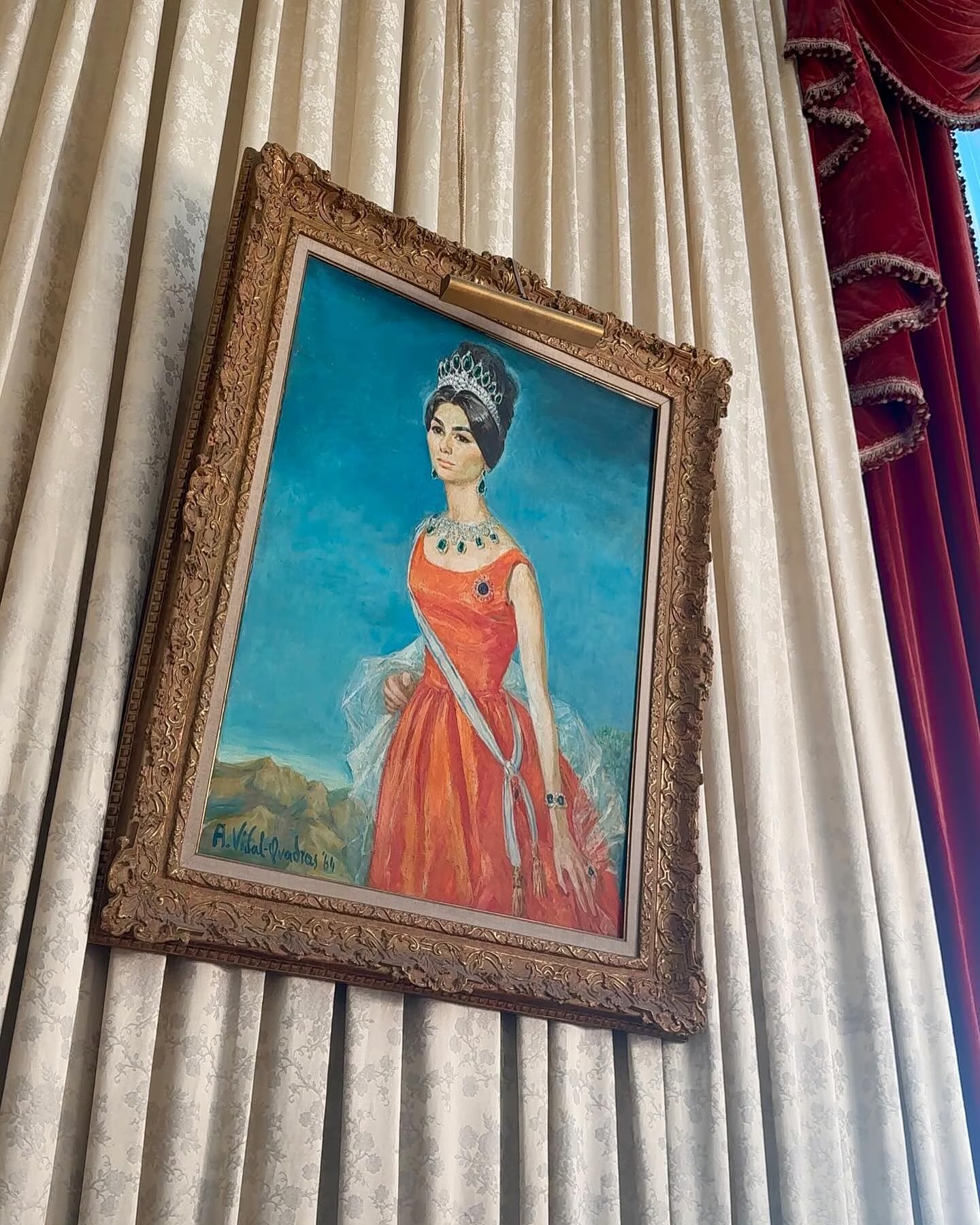
After the recent attack, Iran’s Ministry of Cultural Heritage and UNESCO reported that debris and explosions caused significant structural and decorative damage. Historic windows shattered, ornate doors splintered, and sections of the palace’s iconic mirrors were destroyed.
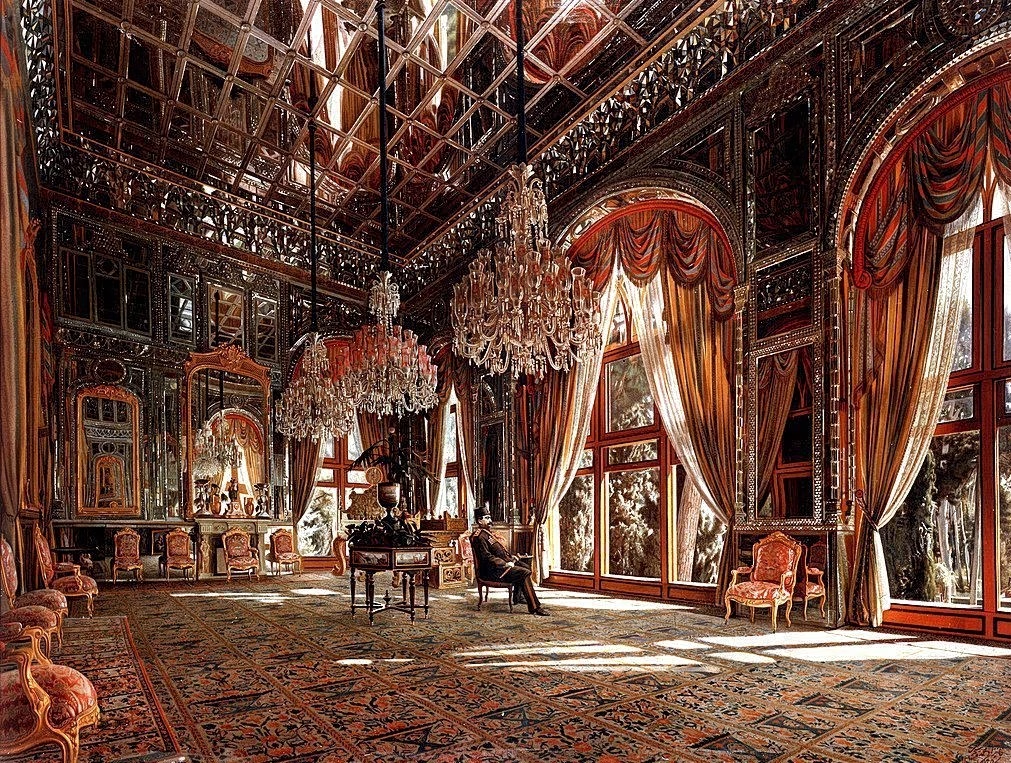
The irony is bitter: a palace that looks like something from a fairy tale became an innocent victim of a relentless war—an abrupt reminder that centuries of cultural continuity can be broken in a fraction of a second.
Niavaran: The Pahlavis’ “Golden Fishbowl”
If Golestan carries the weight of centuries and now the scars of war, the still-intact Niavaran Palace Complex in Tehran’s cooler northern suburbs represents something else entirely: the gilded yet isolated world of Iran’s last imperial family.
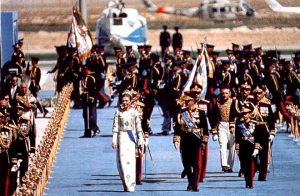
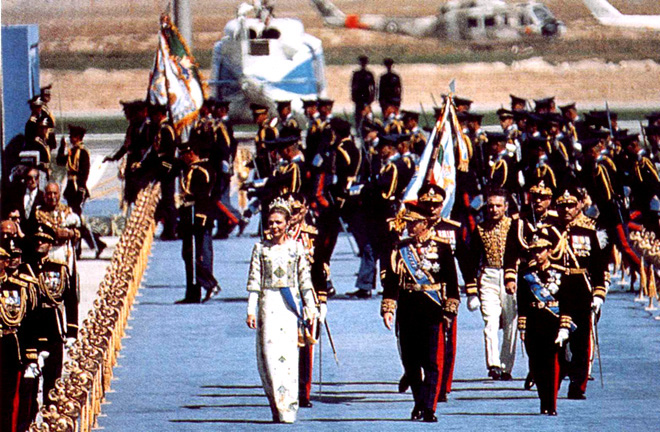
Completed in 1968, the central palace was designed as the private refuge of the final shah, Mohammad Reza Pahlavi, and his wife Farah Diba, known as Shahbanu, or empress.
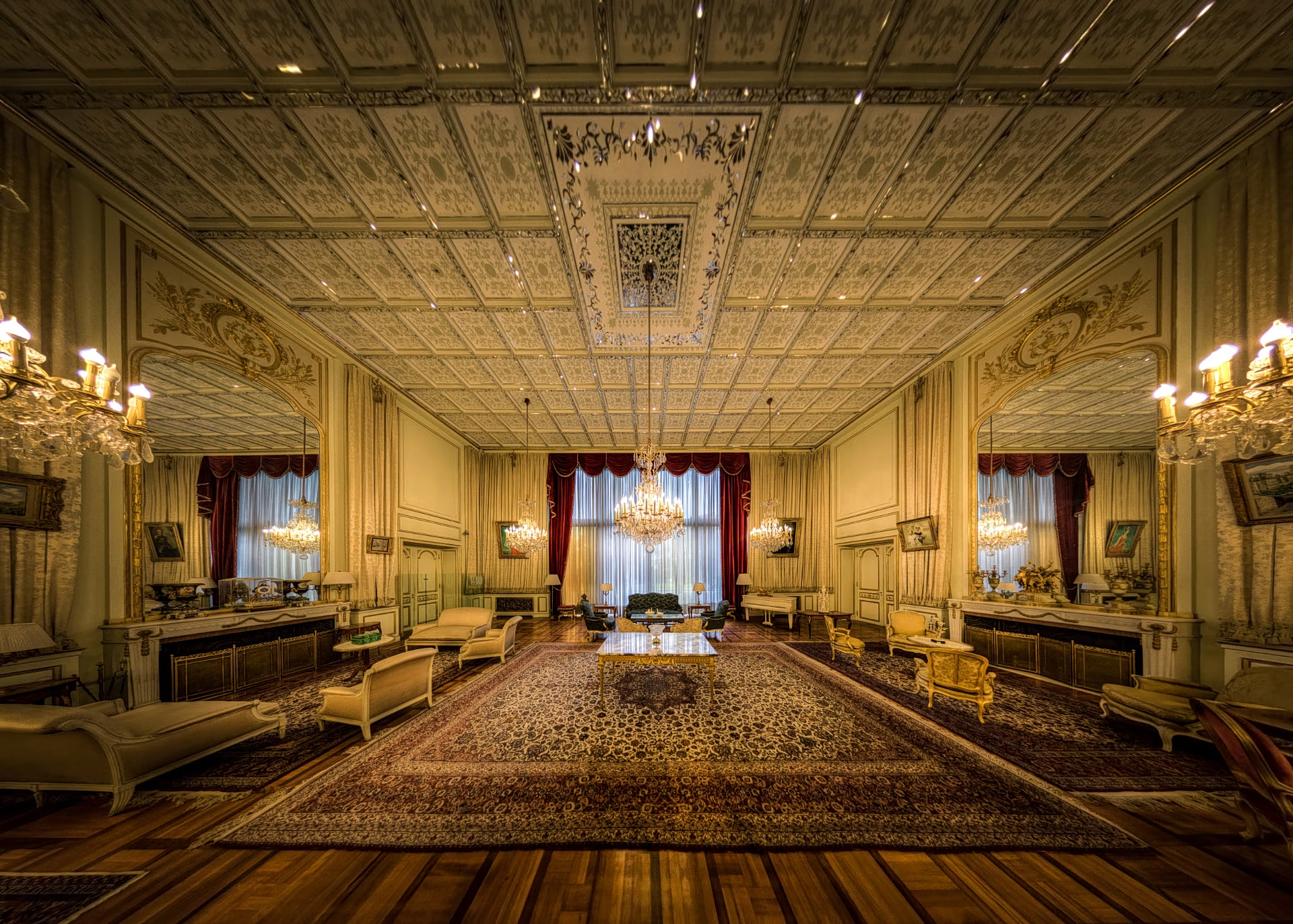
Diba, who studied architecture in Paris, left a visible mark on every detail of the palace. Working with leading architects, she blended the elegant minimalism of 1960s European modernism with warm traditional Islamic design.
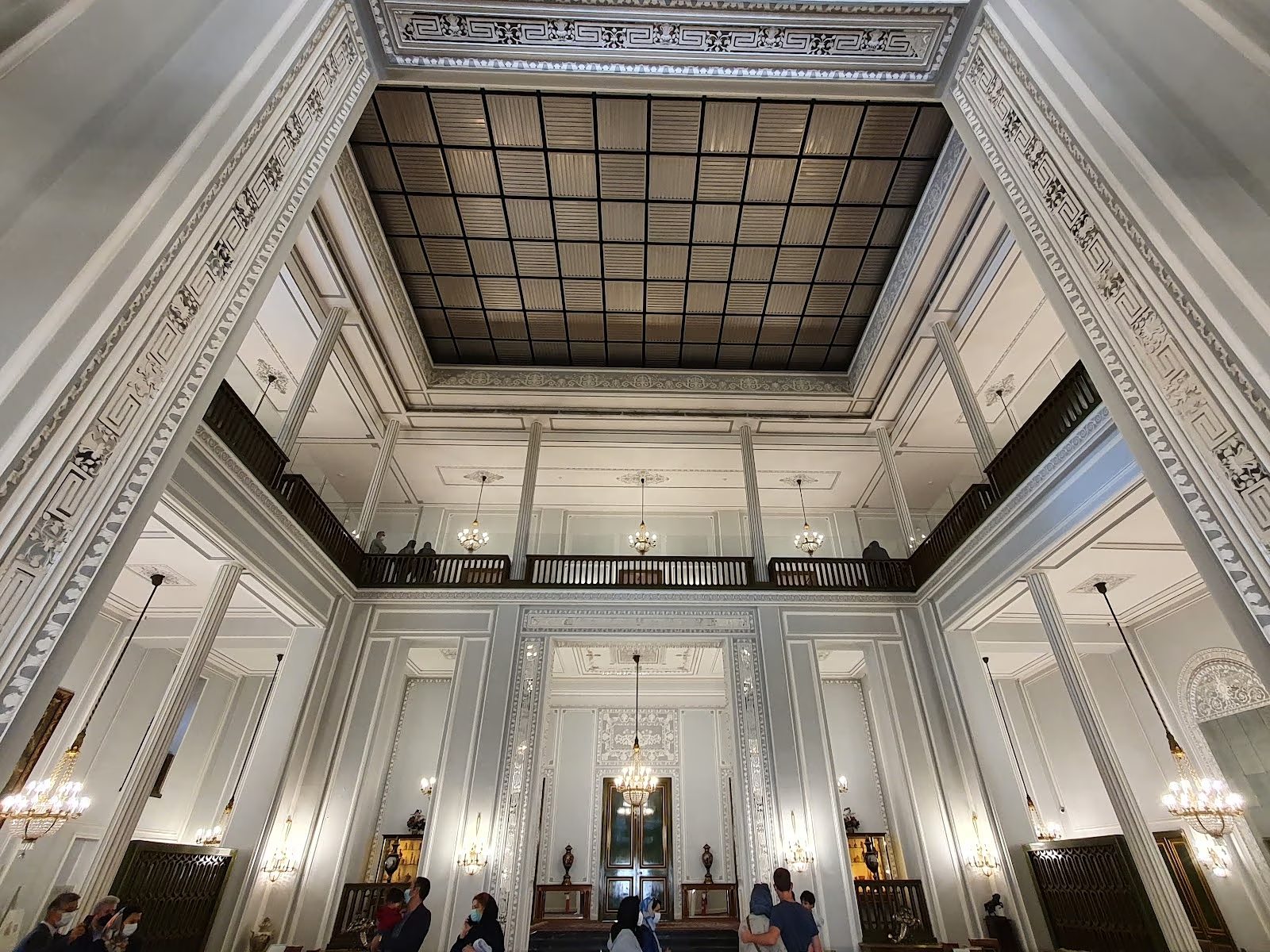
The most striking feature of the palace was the mechanically retractable roof of the central hall, which allowed the royal family to dine or host guests beneath the open night sky.
Niavaran became a luxurious sanctuary for the Pahlavis—a private capsule that insulated them from the realities unfolding in Iranian society.
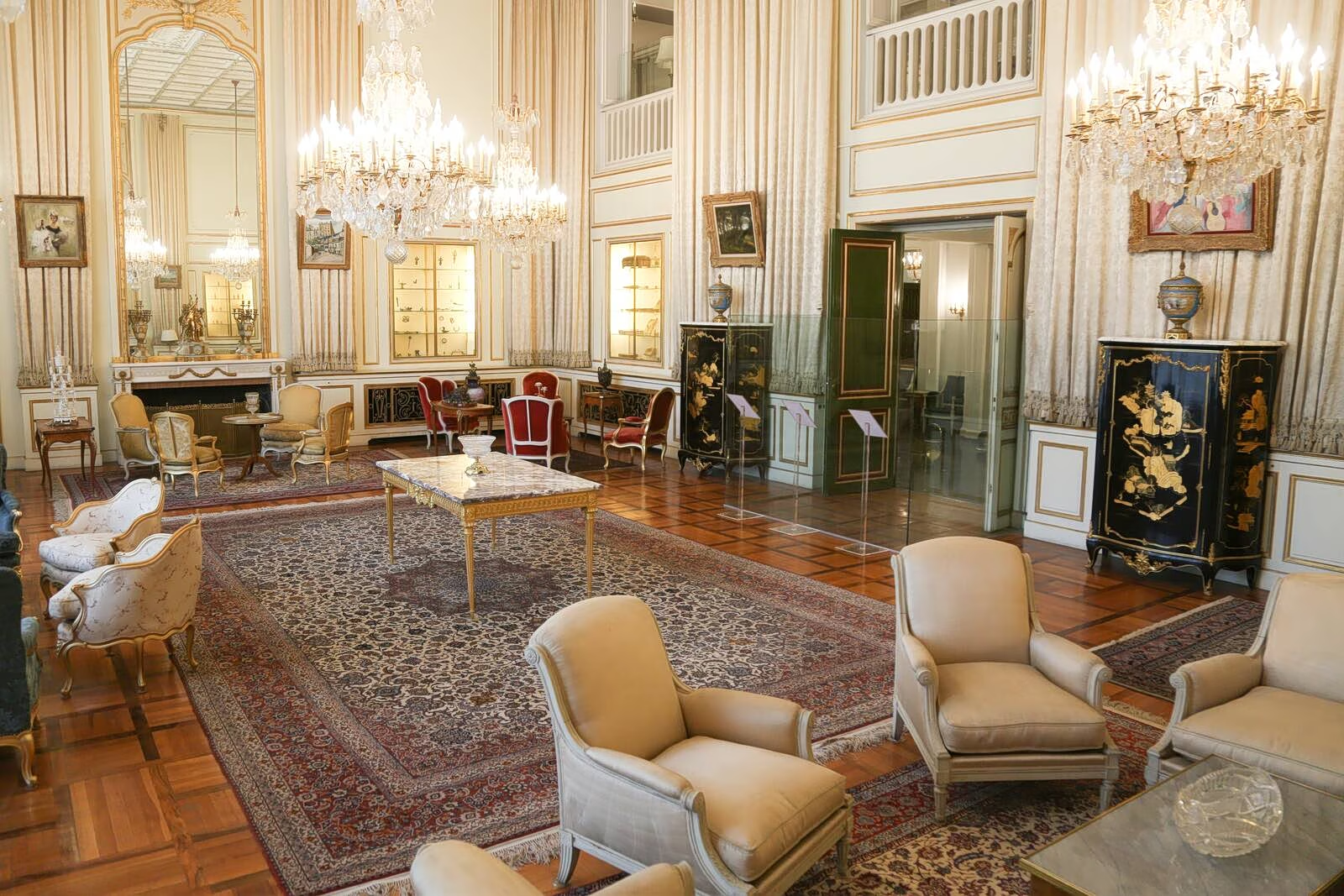
It is said that the strict protocol expected of a royal palace was relaxed there. Instead, the atmosphere reflected a Western lifestyle and a degree of informality.
The royal couple’s collection of contemporary art and the empress’s wardrobe reinforced that image. Farah Diba became a fashion icon of her era, favoring designs from houses such as Dior and Yves Saint Laurent.
It was also at Niavaran that the shah’s children—heirs to the dynasty—were raised until the dramatic collapse of the monarchy in 1979.
Saadabad: A Monument to Power
A few kilometers west of the shah’s former residence lies the sprawling Saadabad Palace Complex, hidden within a vast forested area of roughly three square kilometers.
Saadabad was the true center of imperial power.
The complex—essentially a patchwork of 18 separate buildings—was designed as a grand display of wealth and diplomatic prestige.
At its heart stands the White Palace, an imposing neoclassical building with monumental columns and oversized windows. Here, official state receptions unfolded on a grand stage.
In its vast halls, heads of state, U.S. presidents, and European monarchs walked across priceless Persian silk carpets, drank tea from Sèvres porcelain beneath massive crystal chandeliers, and reaffirmed their confidence in the shah—until, eventually, that confidence vanished.
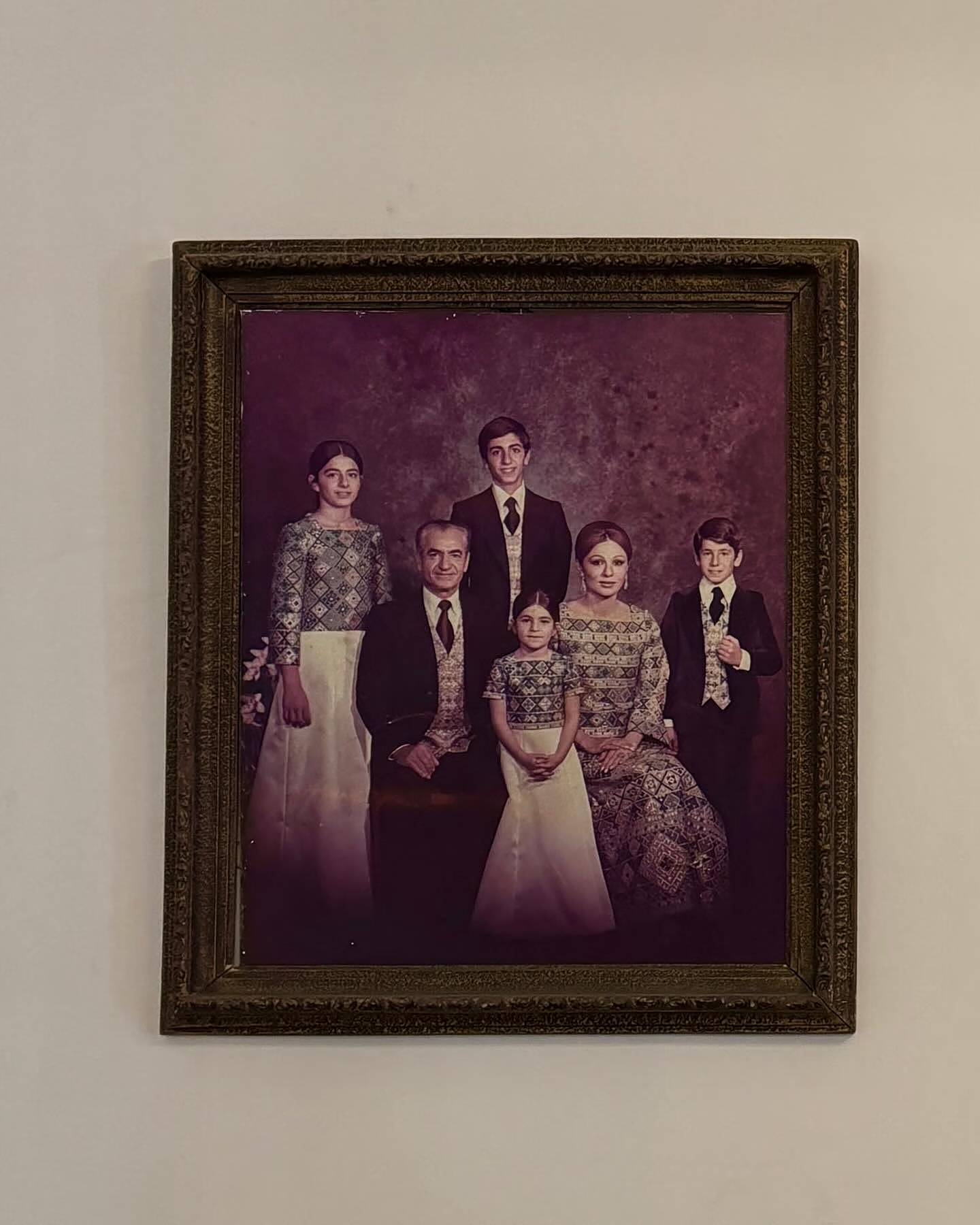
By the time the rug was pulled from beneath his feet, it was too late.
The palace walls that surrounded the royal family had not protected them—they had blinded them to the unrest outside.
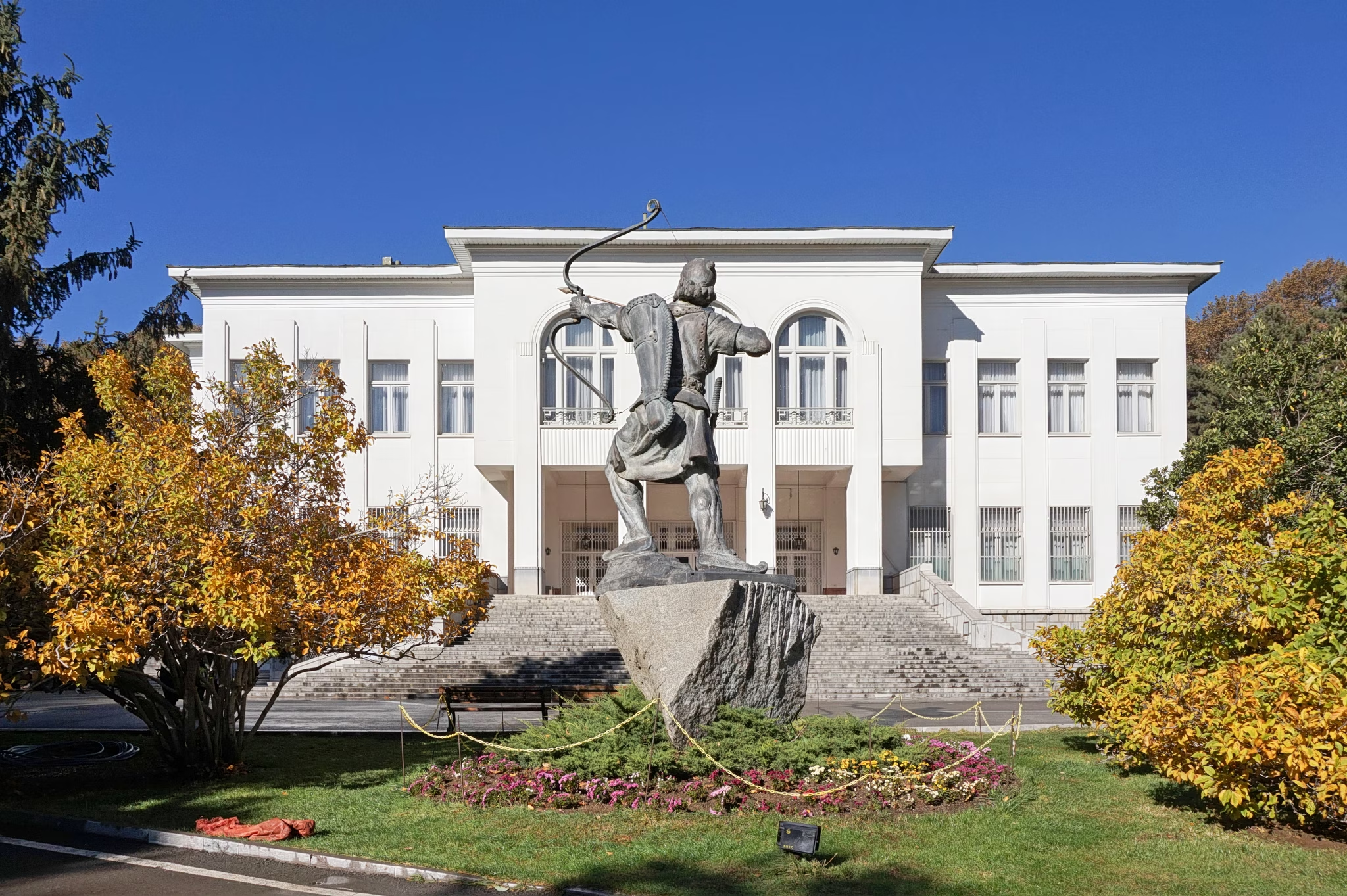
While the shah drafted ambitious visions for Iran within the air-conditioned salons of Niavaran and Saadabad, anger was building in the streets and bazaars of Tehran like a slow-burning fuse.
The End of a Dynasty
The Iranian Revolution of 1979 shattered the imperial illusion.
In January of that year, under the pressure of mass protests, the Pahlavi family hastily packed their belongings and fled Tehran.
Legend says the shah took with him a small box filled with Iranian soil. The empress, according to another story, chose to carry her vinyl records rather than her dazzling jewelry.
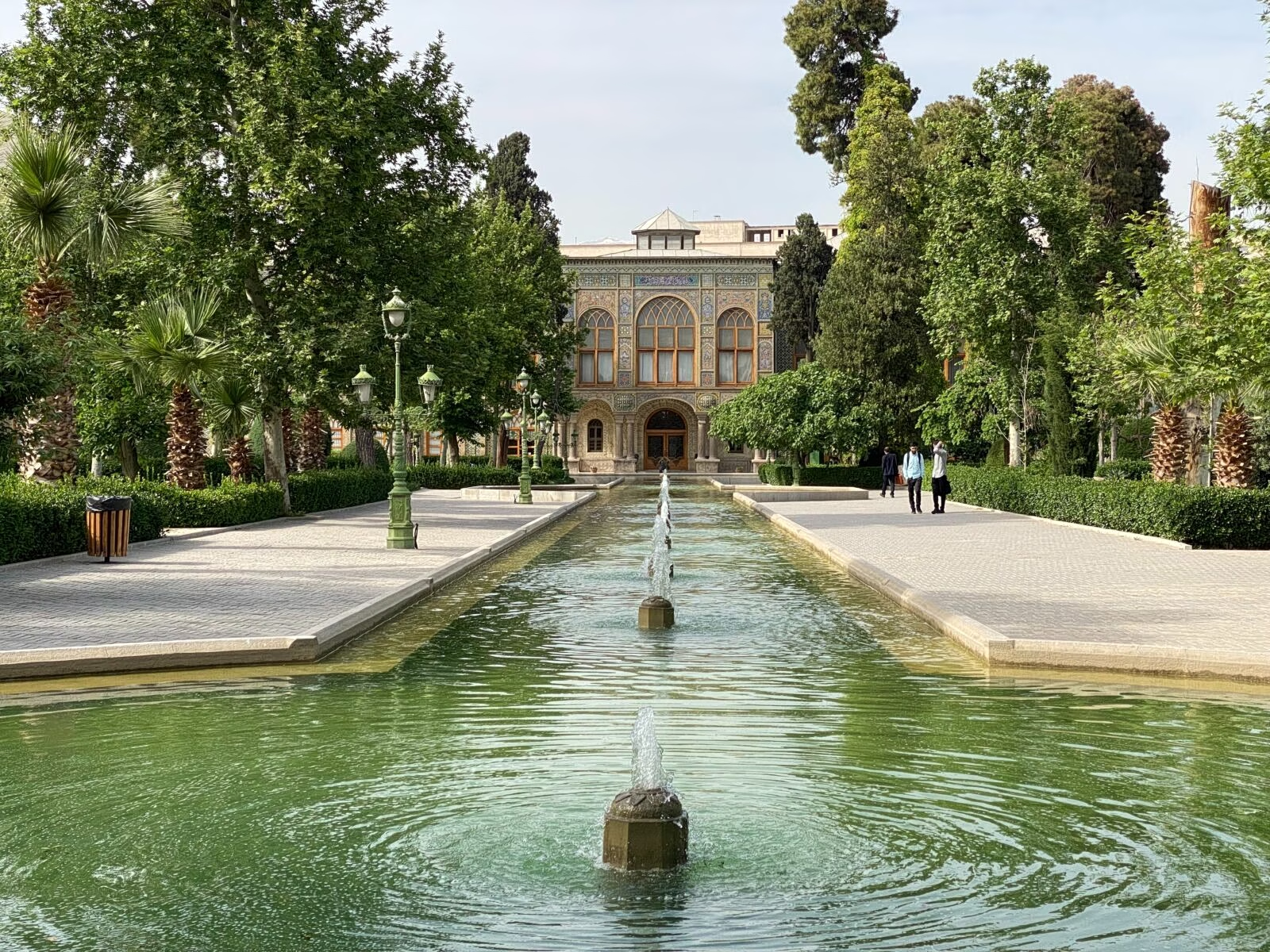
They left behind nearly everything else—artworks, luxury gowns, books lying open on desks, even the dining table set for a meal.
Perhaps they believed they would return.
Palaces Frozen in Time
Today, many of Iran’s former royal palaces function as museums.
Walking through them can create an eerie sensation: as though time itself has frozen.
Marble floors, glittering chandeliers, and cracked mirrors preserve the dramatic—and still debated—requiem of a dynasty.
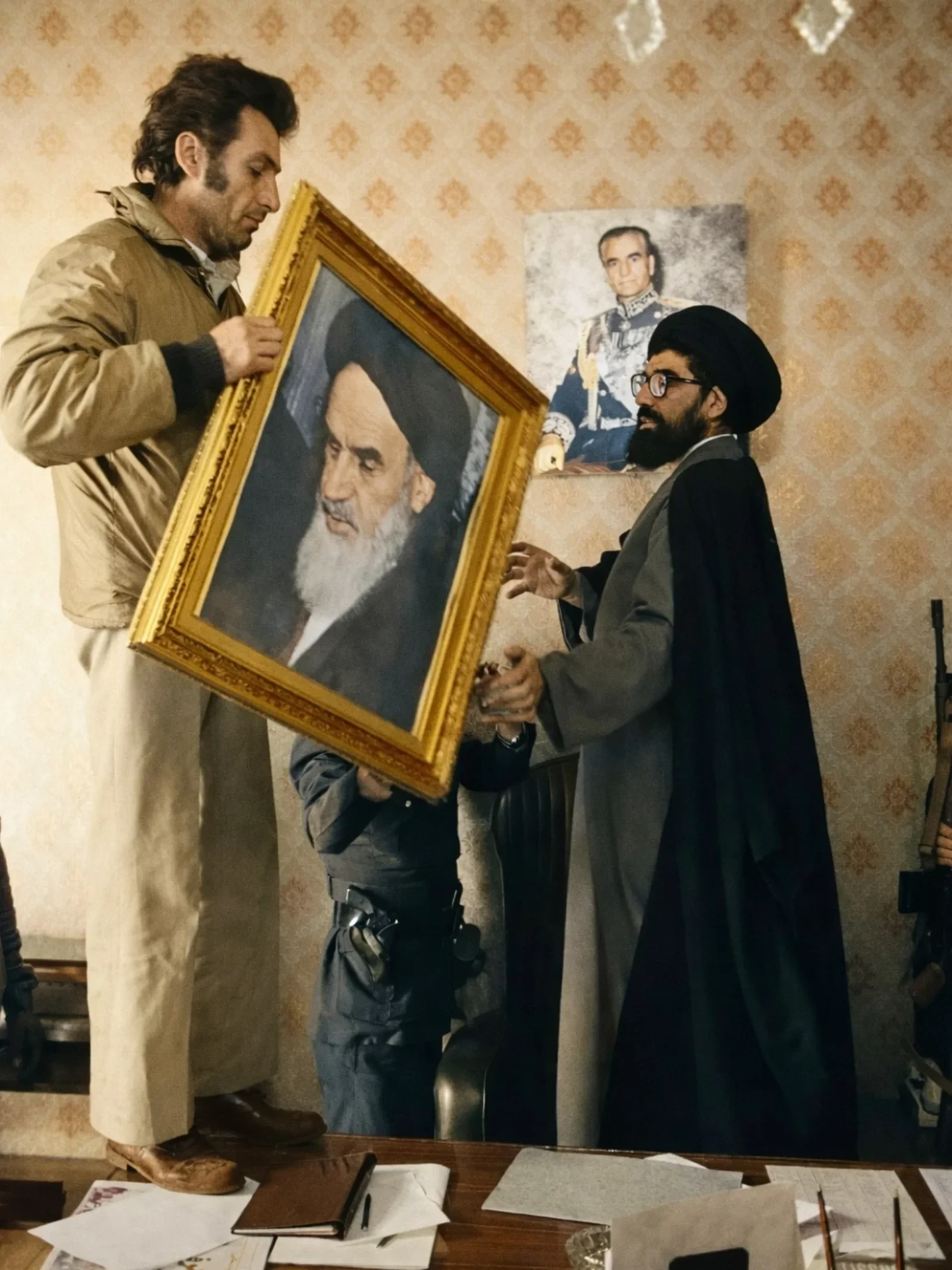
In the palaces of Tehran, the dream of old Persia still reflects in the mirrors and marble halls.
But now those reflections also carry something else: the harsh reality of a region that continues to live inside the relentless turbulence of history.