 Μake us preferred on Google
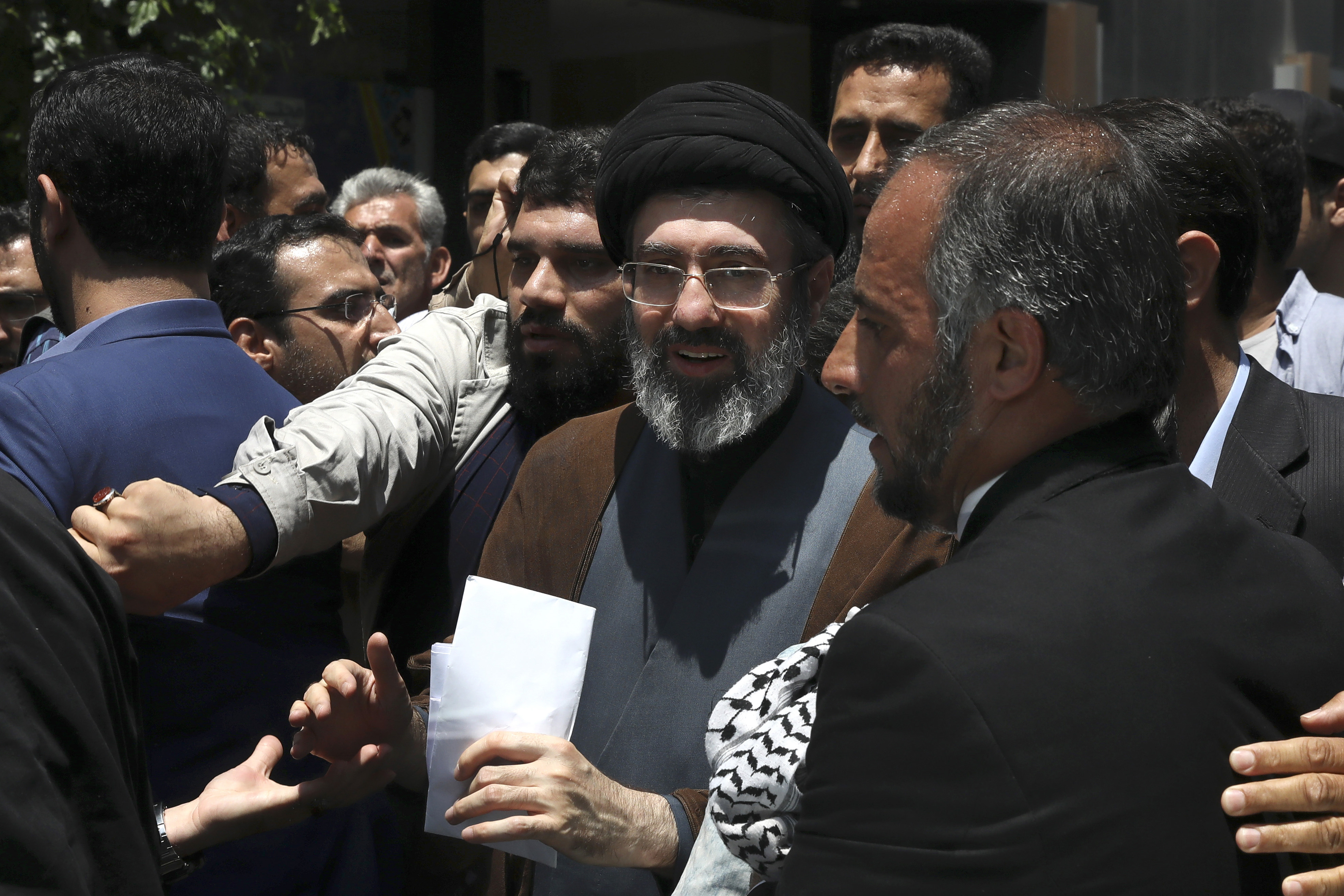
 Mojtaba Hosseini Khamenei, the eldest son of Ayatollah Ali Khamenei, has emerged as a leading contender to succeed his father as Iran’s Supreme Leader, according to reports citing Iranian sources.
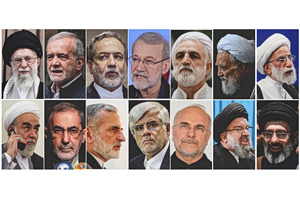
The 57-year-old cleric is said to be among the figures being discussed by the country’s Assembly of Experts, the body responsible under Iran’s constitution for appointing the nation’s highest political and religious authority.
Who is Mojtaba Hosseini Khamenei
Mojtaba Hosseini Khamenei was born on September 8, 1969, in Iran and is the eldest of six children of Ayatollah Ali Khamenei.
He grew up in a religious environment closely tied to Iran’s ruling system following the 1979 Islamic Revolution. He studied theology and received religious training at the seminary in the city of Qom, one of the main centers of Shiite scholarship.
After finishing high school, he joined forces during the Iran–Iraq War between 1980 and 1988.
MOJTABA KHAMENEI
Senior Israeli officials have assessed that Iran will announce Khamenei’s son Mojtaba as his successor, according to Israel’s Ynet news.
Meanwhile, Iran International reports that he has already been elected leader ‘under pressure from the Revolutionary… pic.twitter.com/h4SLajVQv7
— The Spectator Index (@spectatorindex) March 3, 2026
Influence behind the scenes
Although Mojtaba Khamenei did not hold a formal senior government position for many years, he built strong connections within the Islamic Revolutionary Guard Corps (IRGC), widely considered one of the most powerful military and political institutions in Iran.
Due to his relationship with his father and his ties to influential figures in the IRGC, he was often viewed as a key figure operating behind the scenes in Iran’s political structure.
Reports have also linked him to a role in Iran’s presidential elections in 2005 and particularly in 2009, when he was accused of helping shape the outcome of the vote and participating in efforts to suppress protests associated with the so-called Green Movement. Mojtaba has been described as a “hardliner” by Reuters and as “one of the most influential figures in the Iranian clerical establishment”. Reuters reports that the eldests son of the assasinated Ayatollah Ali Khamenei, “has for years been seen as one of the top candidates to succeed his father.”
Selection by the Assembly of Experts
Iran’s Supreme Leader is chosen by the Assembly of Experts, an 88-member body of clerics tasked with selecting the country’s top authority.
Members of the assembly are formally elected by the public every eight years, although only clerics considered loyal to the Islamic Republic are allowed to run.