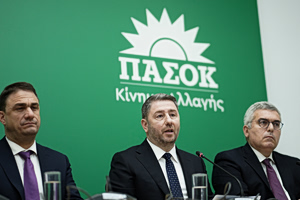
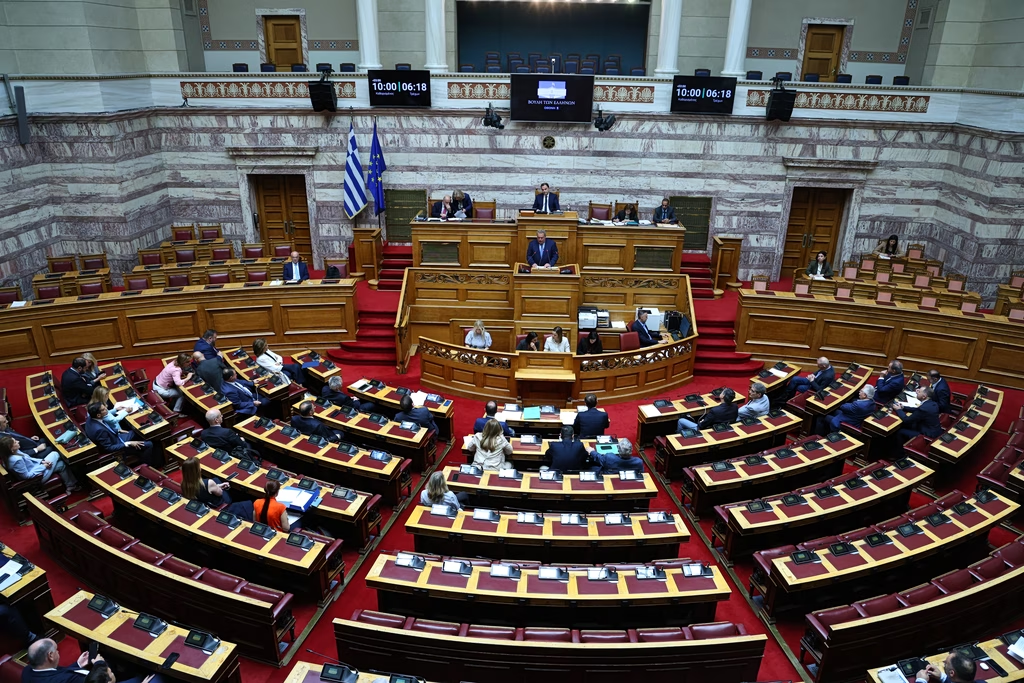
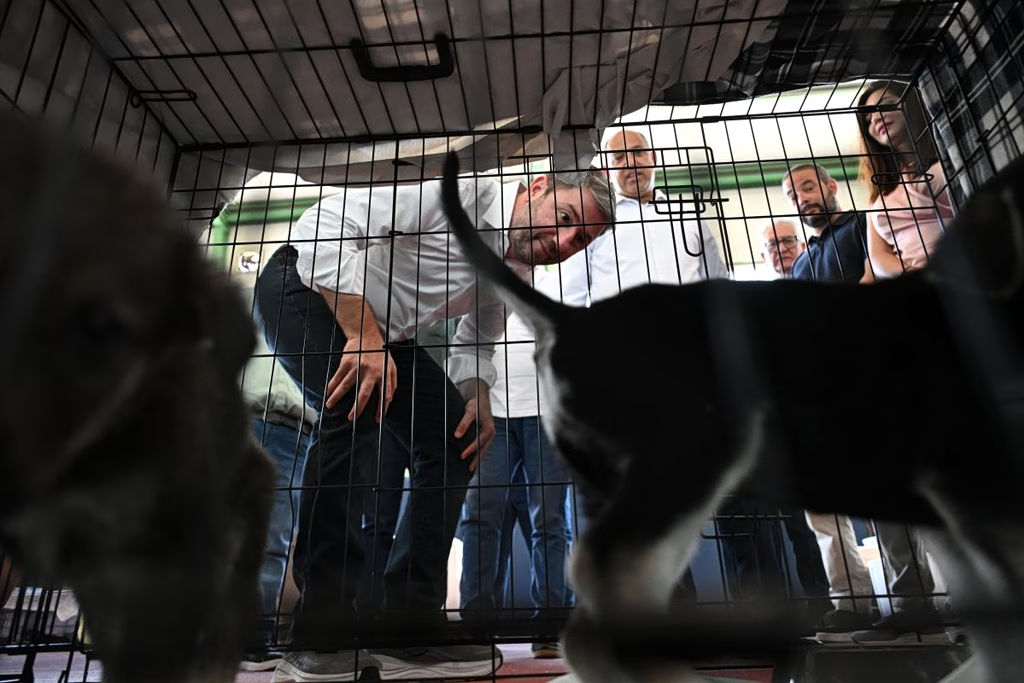
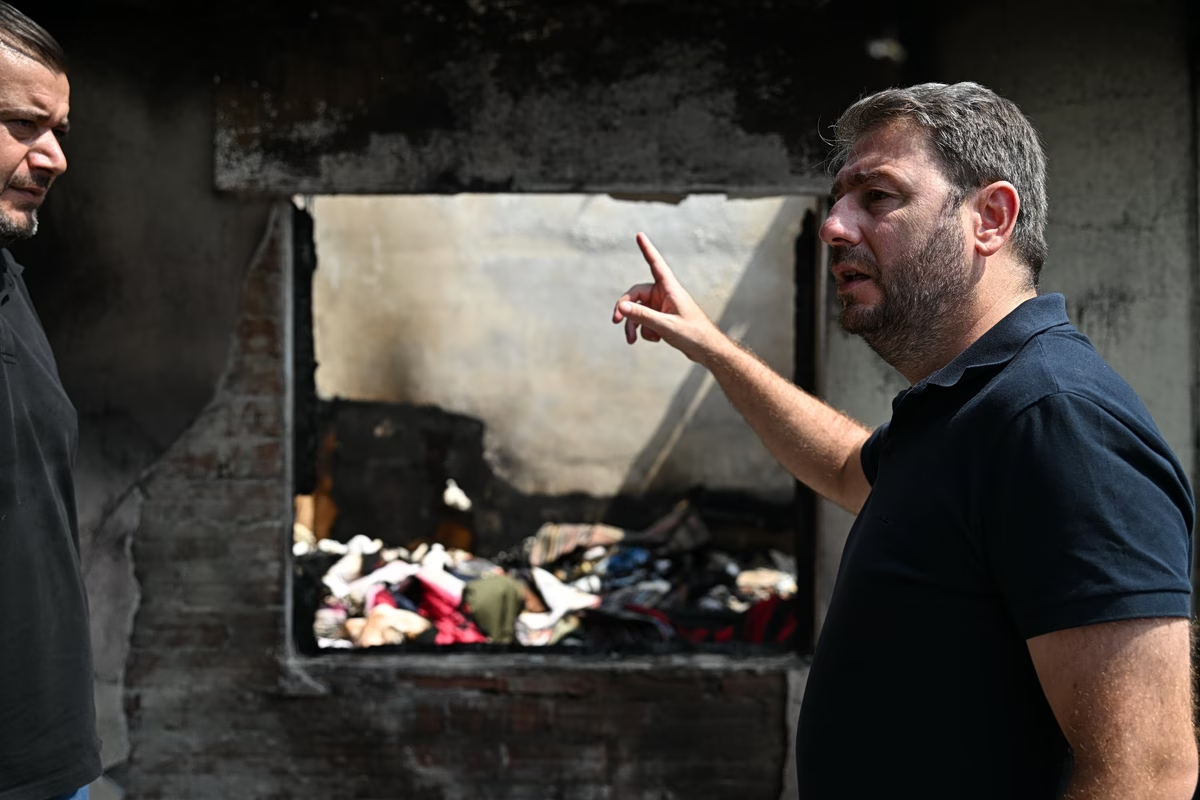
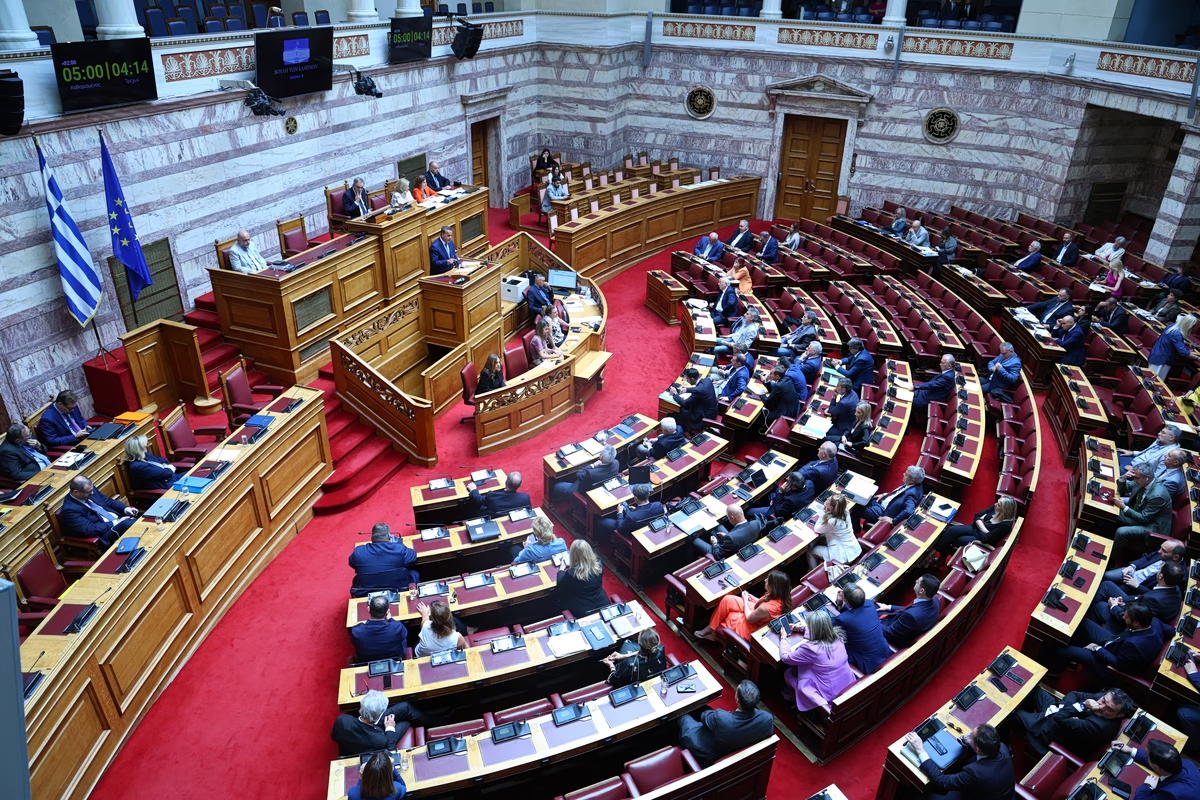
Citing research from the Organisation for Economic Co-operation and Development (OECD), main opposition PASOK claims that increased productivity driven by artificial intelligence could offset around 10% of existing jobs in Greece
Government insiders are weighing early election scenarios as scandals, economic pressures, and political tensions shape the debate over the timing of Greece’s next vote
The latest opinion survey shows the ruling party maintaining its lead over PASOK, while a fragmented opposition and two nascent political projects struggle to energize a largely undecided electorate.
There is, however, one thing we can be absolutely sure about: none of the parties want to cooperate with anyone else. And that isn’t good for our democracy.
Greek opposition leader draws red lines against New Democracy, targets surveillance scandal and inequality, and seeks to rally a divided party as PASOK launches a crucial three-day conference in Athens.
Party leaders debate the findings of a five-month inquiry into the OPEKEPE farm subsidy scandal, with sharp divisions over whether former ministers Makis Voridis and Lefteris Avgenakis should face a criminal investigation.
As Greece sends military assistance to Cyprus, opposition leaders are urging Prime Minister Kyriakos Mitsotakis to brief party chiefs on developments in the Middle East and clarify Athens’ position in the escalating regional crisis.
After five months and 350 hours of hearings, Greek parties issued sharply conflicting reports on the OPEKEPE farm subsidy scandal, with opposition groups calling for a preliminary criminal probe and the government rejecting any wrongdoing by former ministers
New Democracy remains dominant, but economic anxiety, leadership fatigue and a fragmented opposition are reshaping the political terrain. As elections inch closer, every major figure faces a narrowing path—and a restless electorate.
A Metron Analysis survey for MEGA finds New Democracy ahead in vote estimates despite deep public dissatisfaction over the economy, cost of living and the country’s direction
A new nationwide survey finds strong backing among supporters of Greece’s main opposition party for dialogue across the fragmented center-left, alongside firm resistance to any governing alliance with the ruling conservatives
Mounting pressure inside the ruling party is reviving scenarios once considered unlikely, from a cabinet reshuffle to early elections, as shrinking margins and geopolitical uncertainty leave little room for delay
As Greece’s center-left heads toward a pivotal party congress, internal disputes over strategy, leadership and post-election alliances risk defining PASOK more than its response to voters’ everyday concerns
Amid a cost of living crisis, ongoing farmer protest and political fatigue, a pivotal pre-election year approaches, one that could redraw party lines, test old leaderships and introduce new, unpredictable players
Kyriakos Mitsotakis’ decision to place the Tomb of the Unknown Soldier under the Ministry of Defense has sparked fierce political backlash, with critics warning of blurred lines between military and civilian authority in one of Greece’s most symbolic public spaces
Opposition leader Alexis Haritsis condemned Israel’s treatment of 27 detained Greek citizens, including an MP, urging Athens to issue a formal diplomatic protest
The percentage of respondents who were declared as “undecided” reached 16.2%
Nearly 80% of Greeks say they feel angry with the political system, with corruption and scandals fuelling discontent, even as New Democracy stays well ahead of rivals according to new opinion poll
Landmark reforms followed, from the modernization of family law to the creation of the National Health System—achievements that remain reference points for public policy to this day.
For the matter to be included in the June plenary agenda, support from other political groups within the European Parliament is required during negotiations set to take place next week.