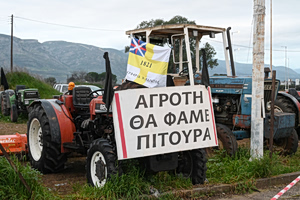
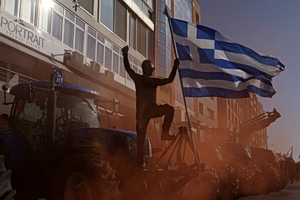
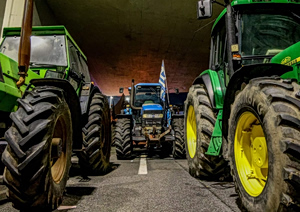
Protests in Aetolia-Acarnania escalate as farmers block key roads, demanding long-term solutions from the government amid internal tensions over dialogue strategies
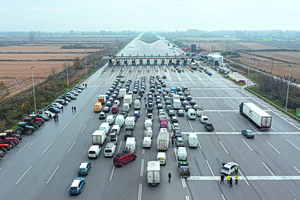
Severe traffic disruption hit Greece’s main highway as farmer blockades caused delays of up to 12 hours, with further road closures planned nationwide amid ongoing protests and calls for structured talks with the government
Greek farmers plan to escalate nationwide road blockades through New Year’s Eve, closing key highways and alternative routes in a coordinated effort to pressure the government, despite growing divisions within the protest movement
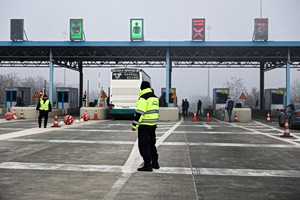
Long delays and safety concerns sparked a public dispute between farmers and police after blockades caused hours-long traffic jams on key routes linking southern and northern Greece.
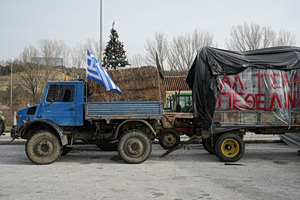
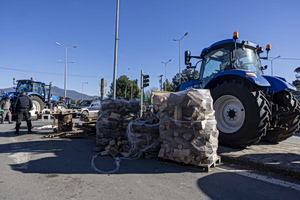
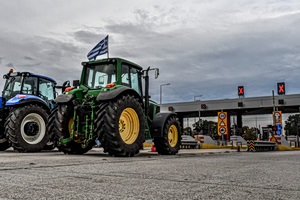
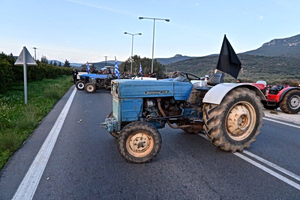
After 22 days of roadblocks, farmers in northern Greece have reopened lanes on the Thessaloniki-Athens highway for holiday traffic, while maintaining their protest positions with tractors and vehicles along the roadside.
Amid ongoing farmer demonstrations, Prime Minister Kyriakos Mitsotakis stressed that the government will uphold social responsibility and fairness, ensuring payments are made while refusing to compromise public safety or the wider economy
Authorities defend traffic diversions during nationwide farmer protests, citing serious safety concerns for drivers, passengers and protesters alike
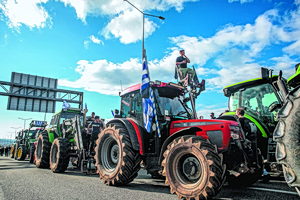
Tractor blockades expand across roads, borders and ports as farmers press ahead with symbolic closures while pledging to ease travel during the Christmas period.
Farmers intensify nationwide protests during Christmas week, announcing symbolic truck blockades on major transport routes while allowing passenger traffic to continue, as the government urges dialogue and restraint.
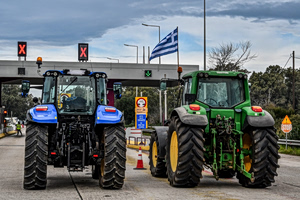
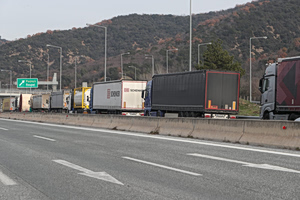
The farmers will move their tractors onto the Athens–Thessaloniki motorway, allowing private vehicles and buses to pass while barring trucks and articulated lorries.
Agricultural crisis is not merely a matter of subsidies or “bad” prices, but one of self-sufficiency and sovereignty over energy and technological infrastructure
Without education, without new technologies, and without smart agriculture, Greece will never reach exports to countries such as Israel or the Netherlands
Farmers across Greece will partially clear roadblocks for holiday traffic, balancing protests with public access, while border crossings remain restricted for trucks during nationwide demonstrations
The challenge for Greece, therefore, is not insufficient civic engagement but limited strategic capacity. When citizens experience dissent as an end in itself rather than a means to reform, protest risks reinforcing stability rather than challenging it
Protests intensify nationwide as farmers react to disputed payment deductions and signal a hard line ahead of a national coordination meeting.
Digitalization that ignores a country’s strengths and fails to support the sectors that need it most is ultimately ineffective
The same underlying tension has spread across the EU in recent years, as the primary sector openly questions governments’ ability to provide a stable operating framework
Producers stay mobilized while seeking dialogue with the government, as new road closures are planned and nearly €488 million in agricultural payments are disbursed nationwide.
“What went wrong, and why did the situation get out of hand communication-wise?”
As farmers remain entrenched at roadblocks and prepare sweeping shutdowns, a deeper demand emerges beneath the economic grievances: the right of a new generation to stay on the land, amid anger over subsidies, transparency, and what they see as systemic injustice.