
 Μake us preferred on Google
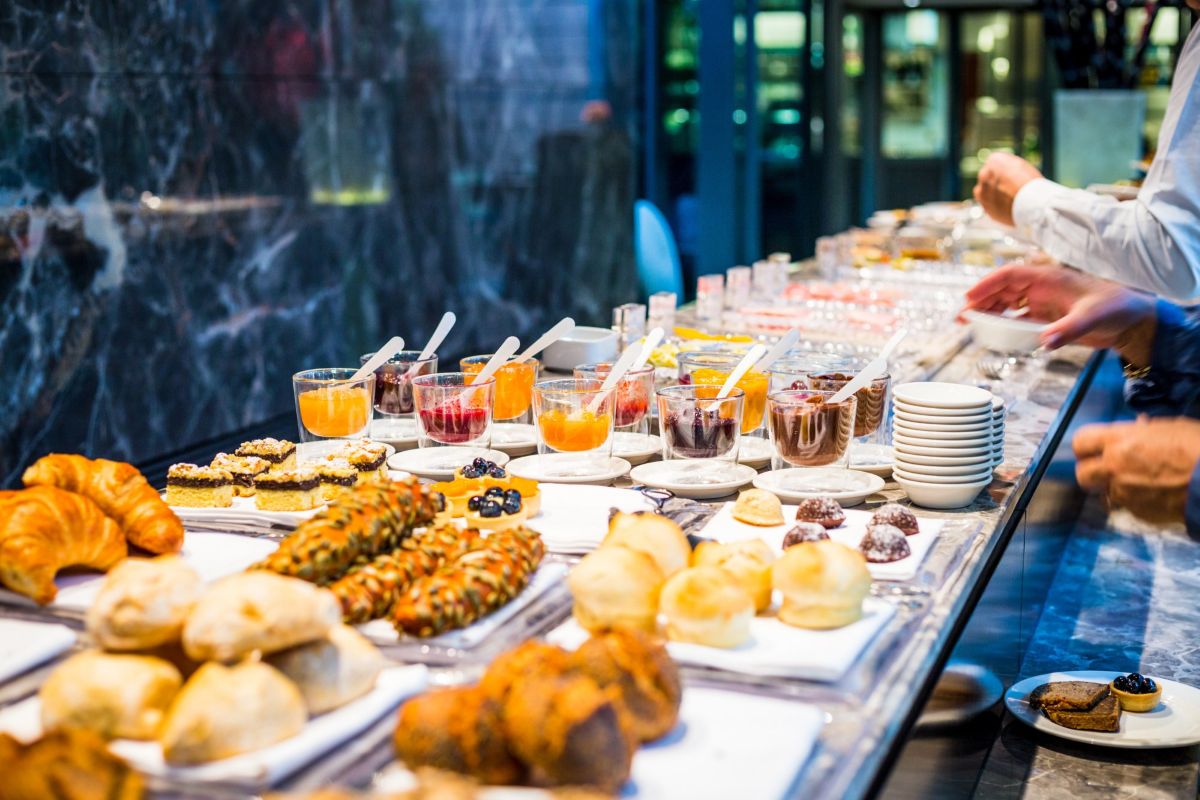
 The beloved hotel breakfast buffet is undergoing a quiet transformation. Once celebrated for its abundance, it has now become a focal point in the global debate on food waste — an issue the hospitality industry calls simply “food waste.”
According to the UN Environment Program’s 2024 Food Waste Index Report, more than 1 billion meals are discarded every day worldwide. The report tracks progress toward cutting food waste by half by 2030, revealing that in 2022 alone, nearly 19% of all food produced globally — about 1.05 billion metric tons — went uneaten.
Buffets under scrutiny
Analysis across 52 countries shows households are responsible for around 60% of food waste. Still, restaurants and hotels account for a significant 28%. In hotels, buffets are among the worst offenders: they generate more than double the waste of à la carte dining. On average, buffet guests leave behind 300 grams of food per person, compared with 130 grams from plated meals.
“Reducing food waste is a powerful way to make a difference — and breakfast is a great place to start,” says Jocelyn Doyle, head of communications at the Sustainable Restaurant Association.
Small changes, big impact
Several hotel brands are already rethinking their approach:
• Scandic Hotels cut back on cakes and muffins, urging guests to return for seconds instead.
• Ibis Hotels swapped in smaller plates to discourage oversized portions.
• Hilton Frankfurt serves yogurt and fruit in pre-portioned cups.
• Novotel Bangkok Sukhumvit posts reminders by buffet tables: “Take only what you can eat.”
Consumer behavior expert Kelly L. Haws notes that variety itself can drive overeating. Self-service, she adds, often leads to oversized portions, compounded by the “value for money” mindset that makes guests pile on food they won’t finish.
A cultural shift
European breakfasts, typically lighter with pastries and juice, generate less waste than the heavier American spreads of bacon, eggs, and pancakes. In the U.S., more hotels are now offering breakfast only as an add-on, reducing excess by serving only those who want it.
While hoteliers admit the battle against food waste is not simple, the breakfast buffet may be the first step toward a more sustainable — yet equally satisfying — hotel experience.