A sharp rise in oil prices—triggered by the ongoing conflict in the Middle East—is now hitting airline passengers, with ticket prices beginning to climb across Europe.
The escalation, now entering its third week, has pushed crude oil prices above $110 per barrel, setting off a chain reaction across the aviation industry.
Ticket Prices Already Rising
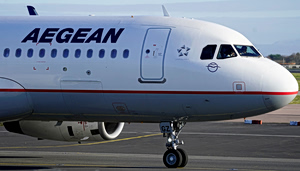
In Greece, Aegean Airlines has already moved to raise ticket prices by 7–8%, a decision that company sources say only partially offsets the surge in fuel costs.
Airlines are facing multiple pressures from the conflict. Many have suspended routes to affected destinations—some until the end of April—while ongoing uncertainty makes it difficult to predict when normal operations can resume.
Jet Fuel Costs More Than Double
The most significant and lasting impact, however, comes from fuel prices.
- Crude oil has risen by around 50%, from $70 to $110 per barrel
- Jet fuel prices have surged by approximately 110%, jumping from $800 to $1,700 per ton
This dramatic increase is linked to restricted access to major Gulf refineries, which are key global hubs for jet fuel production and distribution.
Why Airlines Have No Choice
Fuel is the single largest operating cost for airlines, typically accounting for about 22% of total expenses under normal conditions.
With fuel prices soaring, airlines are left with little room to maneuver.
According to industry sources, fare increases are no longer optional—they are a necessity to sustain operations.
Risk Management Softens the Blow
Despite the difficult environment, some airlines are managing to limit the impact.
In the case of Aegean Airlines, fuel hedging (pre-purchasing fuel) covers about 60% of its needs, leaving only 40% exposed to current market prices.
This strategy helps keep fare increases relatively contained, allowing the airline to absorb a significant portion of the additional costs.
3.6 Million Passengers Unaffected
For now, most travelers will not feel the impact.
Approximately 3.6 million passengers who have already purchased tickets for the coming months will see no change in their travel costs.
The same applies to holders of AEGEAN Pass packages, who locked in their fares in advance.
A Temporary Window for Lower Prices
In an effort to maintain consumer confidence, the airline is also offering, for a limited time, the option to purchase AEGEAN Pass packages at pre-crisis prices.
This move is designed to provide a safety net for travelers looking to plan ahead in an increasingly uncertain environment.
A Delicate Balancing Act
In a global landscape shaped by geopolitical tensions and economic instability, rising fares reflect the real pressure facing the aviation industry.
For airlines, the challenge is clear:
how to remain financially viable while keeping travel affordable for passengers.