On November 19, 1988, Christina Onassis—the only daughter of Greek shipping magnate Aristotle Onassis—took her final breath in Argentina. She was just 37 years old. Her death sealed, in a tragically symbolic way, the fate of one of the world’s most prominent and once-dominant families.
Her passing followed two earlier, shattering losses: the death of her 24-year-old brother Alexander in 1973, and the death of her father in 1975. Christina’s own life ended during a short stay at the home of friends in Buenos Aires, where she was found unresponsive.
Archival reporting from TO VIMA on November 27, 1988, and journalist G. Karagiorgas, retraced the turbulent life of Christina Onassis—a life defined as much by extraordinary privilege as by profound instability.
Childhood in the Global Elite
Born in New York in 1950, Christina grew up inside the rarefied world of the international jet set. Her daily life unfolded among servants, security guards, tutors, and governesses. Every move she made generated reports to her father, who kept watch over her even from afar, monitoring her progress in meticulous detail.
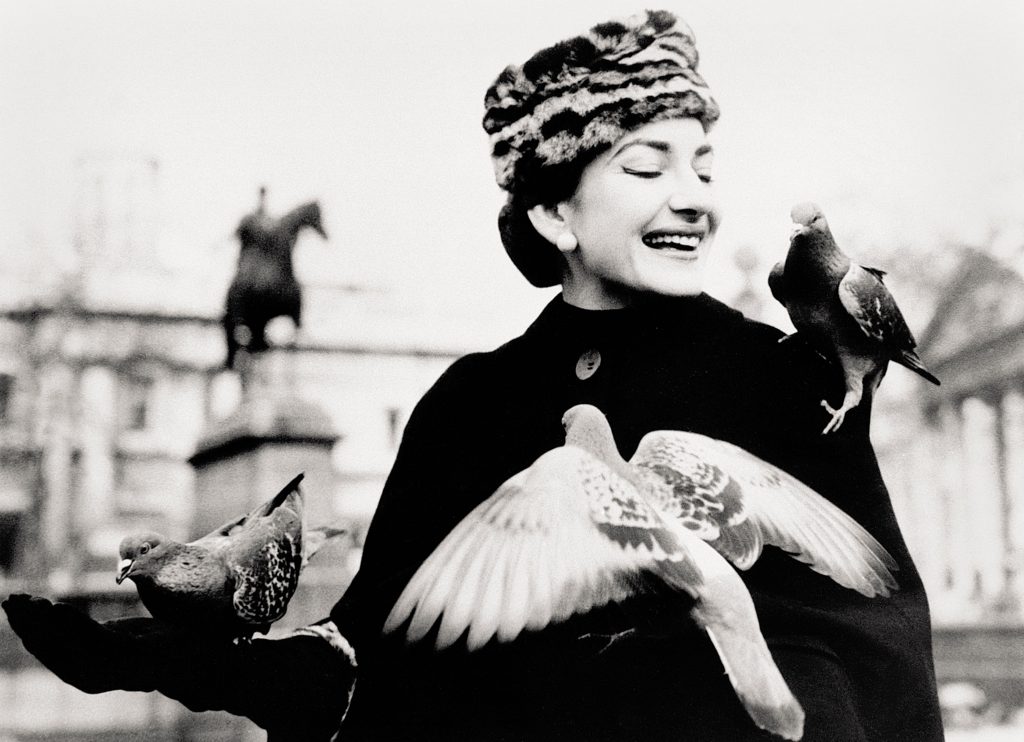
Her family life was upended before she even turned twenty. She witnessed the arrival of opera legend Maria Callas into her father’s life, the divorce of her parents, her mother’s remarriage to British aristocrat John Spencer-Churchill, 11th Duke of Marlborough, and later her father’s highly publicized marriage to Jacqueline Kennedy, widow of the former U.S. President.
Marriages, Loss, and the Pursuit of Stability
At 21, in 1971, Christina married multimillionaire Joseph Bolker, whom she had met in Monte Carlo. Around the same time, her mother divorced the British nobleman and married Greek shipping rival Stavros Niarchos—Aristotle Onassis’s fiercest competitor—after the disturbing death of Christina’s aunt (her mother’s sister), who had died under murky circumstances following severe abuse and an overdose of barbiturates.
Christina’s first marriage collapsed quickly. After moving to New York following her brother’s death, she made her first suicide attempt. Her mother helped her recover, but only two months later, her mother was found dead in a Paris hotel.
The official autopsy cited heart failure. The truth, however, was that she died from pulmonary edema caused by an overdose of barbiturates.
Following her father’s death, Christina married Alexander Andreadis, heir to another prominent Greek family. This marriage too ended in failure. Then, during a business trip to Moscow to sign a shipping agreement, she met a Russian man, Sergei Kauzov, who seemed at first to bring hope back into her life.
They married in August 1978. Four days after the wedding, she fled to Skorpios—the private island owned by the Onassis family. But Skorpios was no longer the carefree refuge of her childhood. Its somber mausoleum, where her father and brother were buried side-by-side, weighed heavily on her.
Thierry Roussel and the Birth of Her Daughter
A new figure entered her life: Thierry Roussel, the French son of a pharmacist. They married, and for the first time, Christina seemed to experience genuine happiness. Her dream came true when she gave birth to a daughter—a little girl who, for a brief moment, finally made her feel she had a family of her own.
But the marriage also ended in divorce. Unfulfilled and deeply unhappy, she withdrew from many of the small joys that make life bearable.
According to the Daily Mail, Christina consumed “about twenty cans of Coca-Cola a day,” a habit the paper suggested may have contributed to her declining health.
“A Life Full of Tears”
As TA NEA wrote on November 21, 1988, Christina Onassis lived “a life full of tears.”
“I cry constantly,” she once admitted, shortly after her father’s death. “I lost them all—my father, my mother, Alexander… I am completely alone.”
Her mother Tina Livanos’s suicide—after divorcing Onassis over his affair with Maria Callas, only to marry Niarchos, her sister’s widower, whose wife had died violently under dark circumstances—was Christina’s first major trauma.
Then came the deaths of her brother in a plane crash in Athens and her father soon after. Her despair deepened, casting a long shadow over the rest of her life.
The Mystery Surrounding Her Death
From the first hours after her passing, speculation swirled around the cause of Christina’s death. Some close to her said there was no indication she would have taken her own life. Others did not rule out the possibility of foul play. What was clear was that a large quantity of tranquilizers was found in her room.
According to TO VIMA (November 27, 1988):
“Christina Onassis died from pulmonary edema caused by excessive use of barbiturates—the same way her mother died.”
The woman who had inherited her father’s sharp intuition, originality, and courage, combined with her mother’s determination, died alone in a quiet home belonging to friends in Buenos Aires, the city that had become Aristotle Onassis’s second home.
Funeral and Autopsy Findings
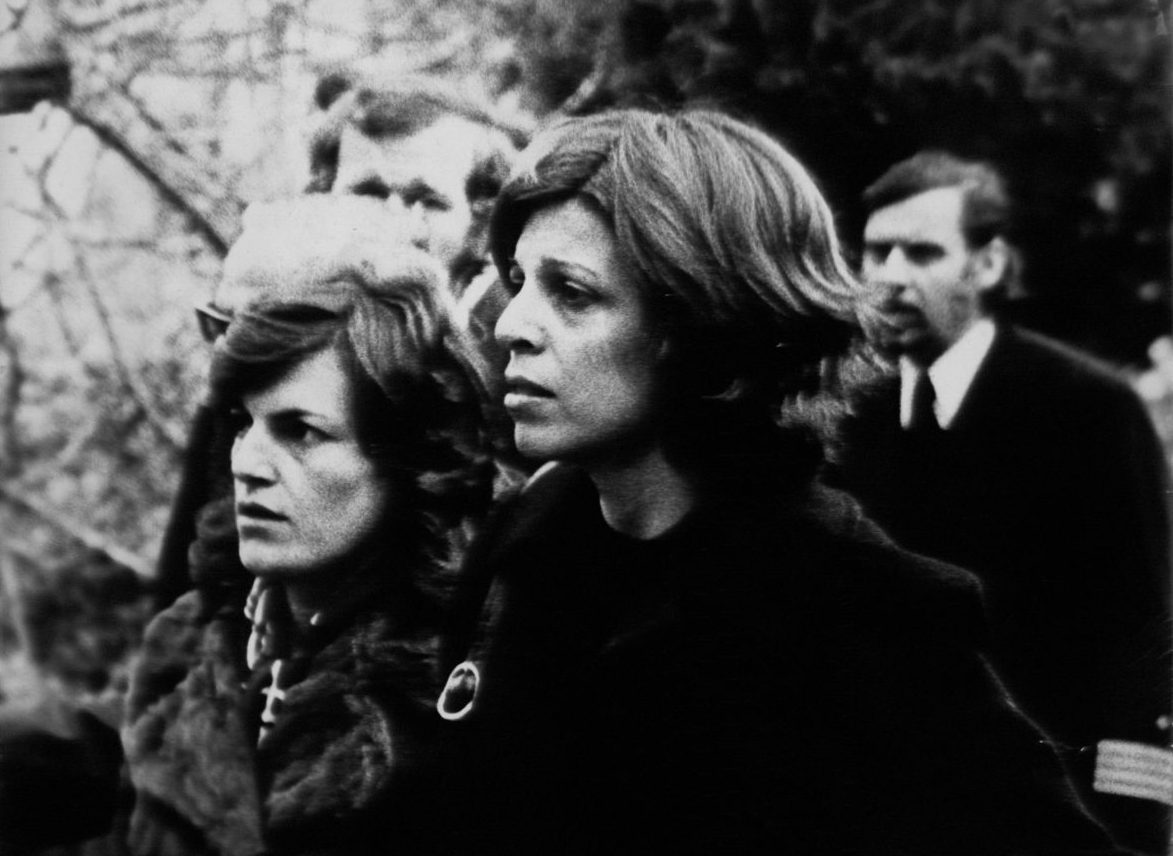
Her funeral service was held at the Church of Agia Fotini in Nea Smyrni, Athens—a neighborhood close to the refugee community from Smyrna, where her father had been born.
Attending alongside the public were prominent international figures who had known Christina through the vast empire built by her father.
As TA NEA reported on December 14, 1988, autopsy tests revealed “large quantities of barbiturates” in her system, specifically a drug called Optalidon. Authorities continued investigating which of the four medications found in her room she had actually consumed.
Initially, officials announced that Christina had died of a heart attack caused by pulmonary edema, with no immediate signs of overdose or suicide. Only later did toxicology clarify the presence of powerful sedatives.
The Legacy She Left Behind
When she died, Christina Onassis left behind her three-year-old daughter, Athina—the last surviving heir of the Onassis dynasty. Today, Athina Onassis is 40 years old.
The story of Christina Onassis remains one of extraordinary wealth intertwined with devastating loss—a life lived under the weight of a legendary name, and a death that closed the final chapter of one of the 20th century’s most iconic families.