 Μake us preferred on Google
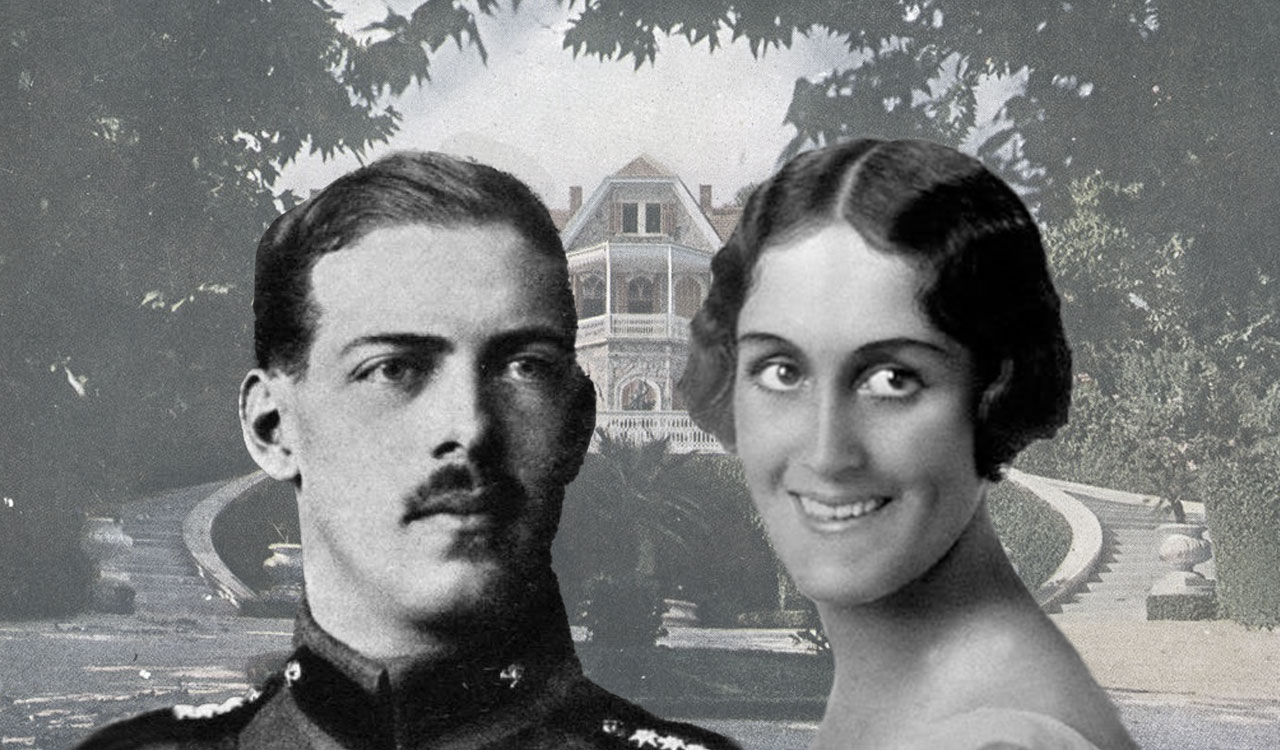
 On August 7, 1972, in Venice, Aspasia Manou passed away at the age of 76. Decades earlier, her secret and controversial romance with King Alexander I of Greece had captured an entire nation, entangling royals and politicians in its passionate wake.
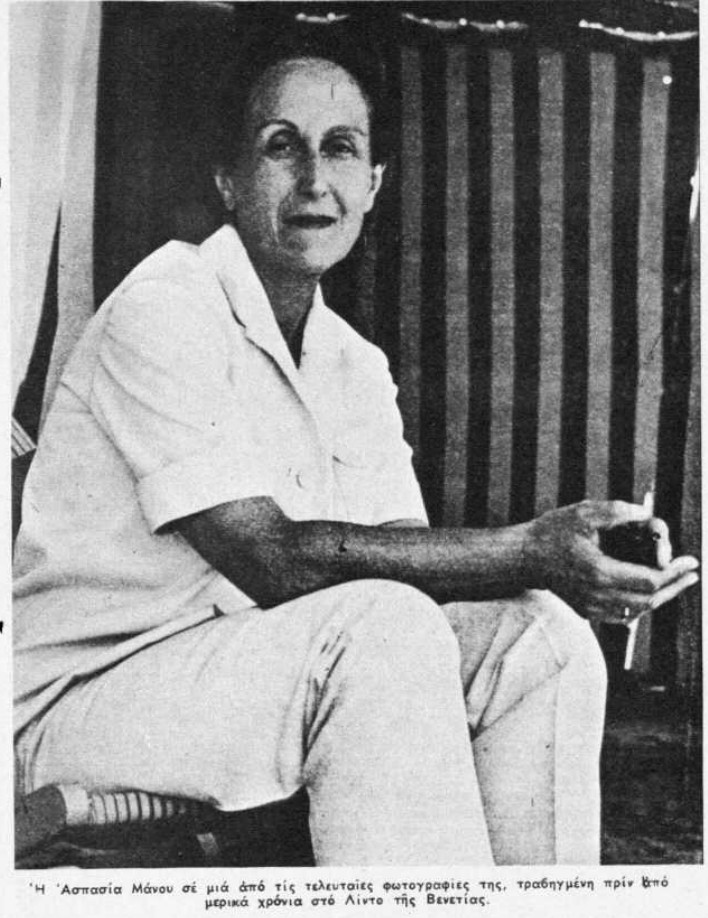
To Vima reported on August 10, 1972: “Her funeral Orthodox rites are being held today in Venice. Aspasia Manou, Morganatic wife of the late King Alexander, died yesterday of heart failure. Once celebrated for her beauty, she inspired a profound love in the then-Prince Alexander, leading to a secret marriage after his accession to the throne. That union faced harsh opposition—from his exiled father, King Constantine, to Prime Minister Eleftherios Venizelos.”
Aspasia Manos, the daughter of a distinguished military officer, was no stranger to the royal court. She had played in the palace gardens as a child and had even once injured her elbow during a playful chase with the young Alexander. But it wasn’t until a January evening in 1915, during a dinner at the home of a court official, that the two truly connected.
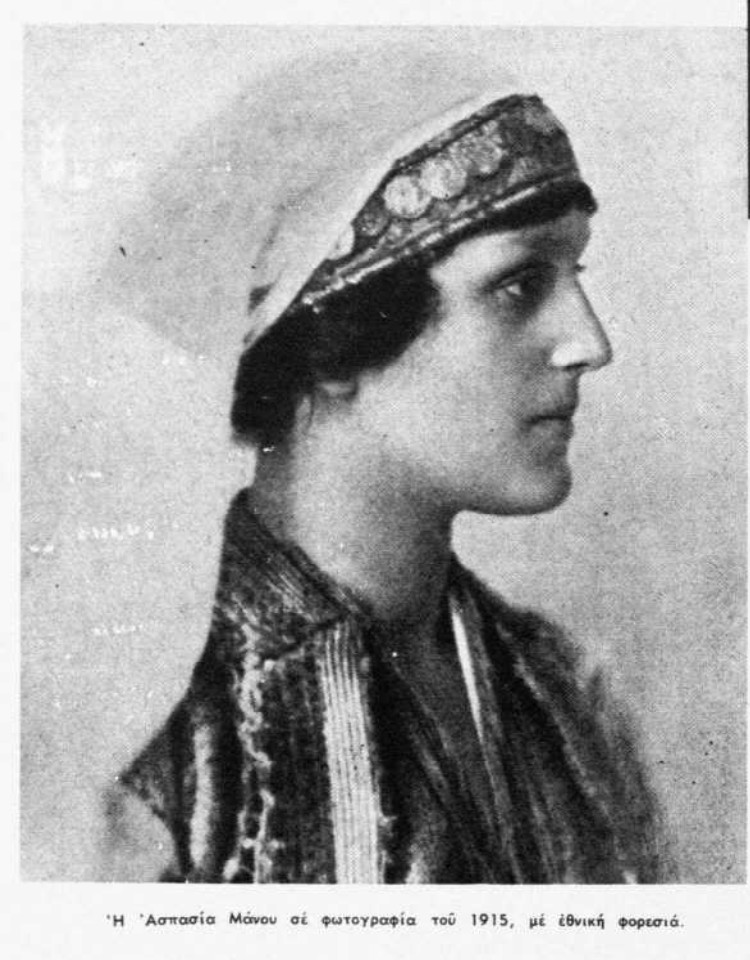
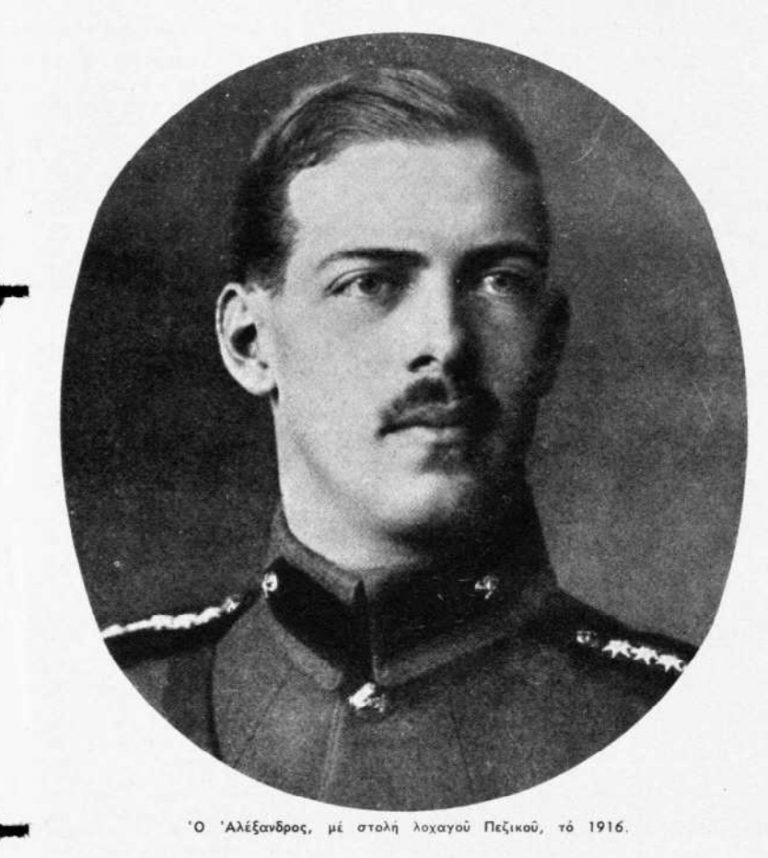
Alexander, then still a prince, was immediately captivated. Gone was the little girl he remembered—before him now sat a striking young woman of 18, with deep black eyes, classical features, and a musical voice. “She looked like an ancient Greek statue,” a friend later wrote. From that evening on, Alexander was infatuated.
Winning her heart, however, wasn’t so easy. Despite his royal title, Aspasia remained cautious. Their courtship was kept secret, complicated by political instability and the shadow of royal expectations. Still, Alexander persisted—and soon, they were deeply in love.
Caught in Greece’s Political Crossfire
This love affair unfolded during the National Schism, Greece’s political split over World War I involvement—should Greece join the Allies, as Venizelos wanted, or stay neutral, as King Constantine insisted?
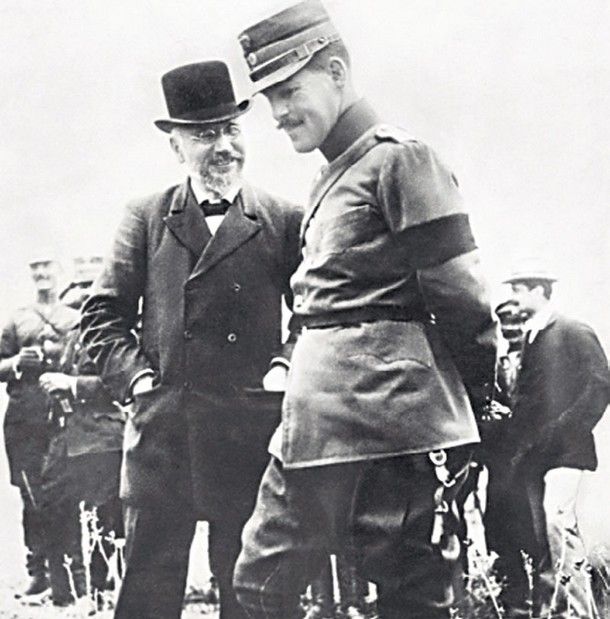
In 1917, with Allied backing, Constantine and heir George were exiled, and Alexander was installed as king—an arrangement Venizelos supported.
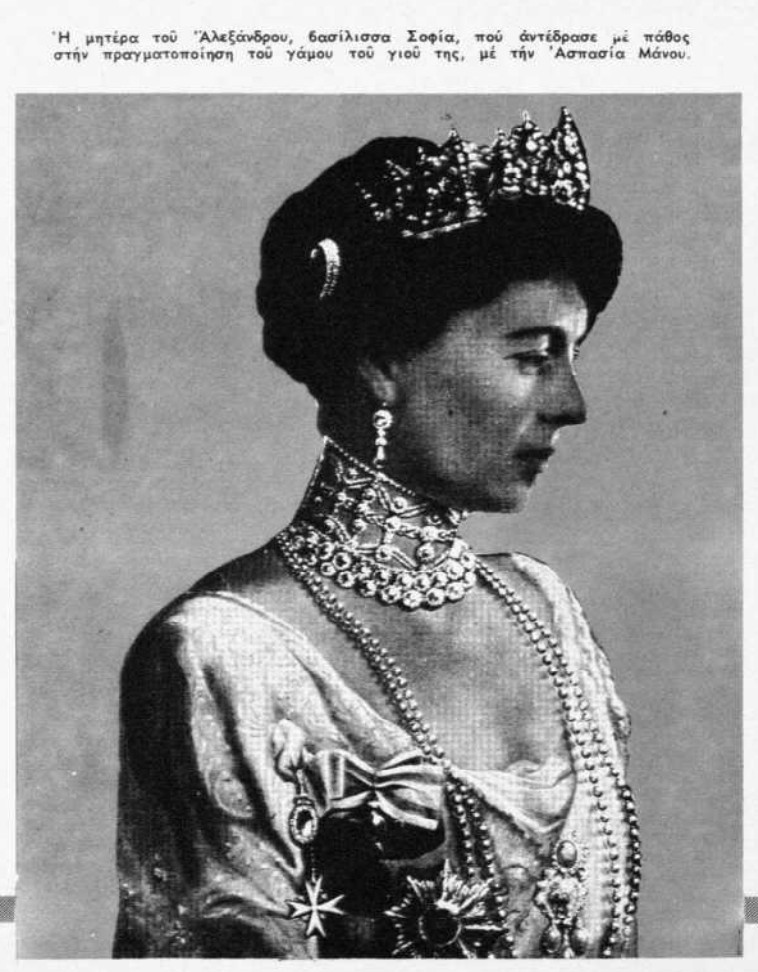
In this fraught context, Alexander’s affection for Aspasia—who brought “Greek blood” into the royal line—was seen as dangerous. Queen Sophia, his mother, feared it would give Venizelos a powerful tool to reshape the monarchy.
As reported in Tachydromos (August 18, 1972), Alexander refused to be intimidated.
In a letter to Venizelos in 1919, Alexander laid bare his emotions. He begged for the Prime Minister’s blessing, describing Aspasia as a true Greek whose union with him would “resonate with the Greek soul.” He hinted that they would marry in secret, with or without official approval.
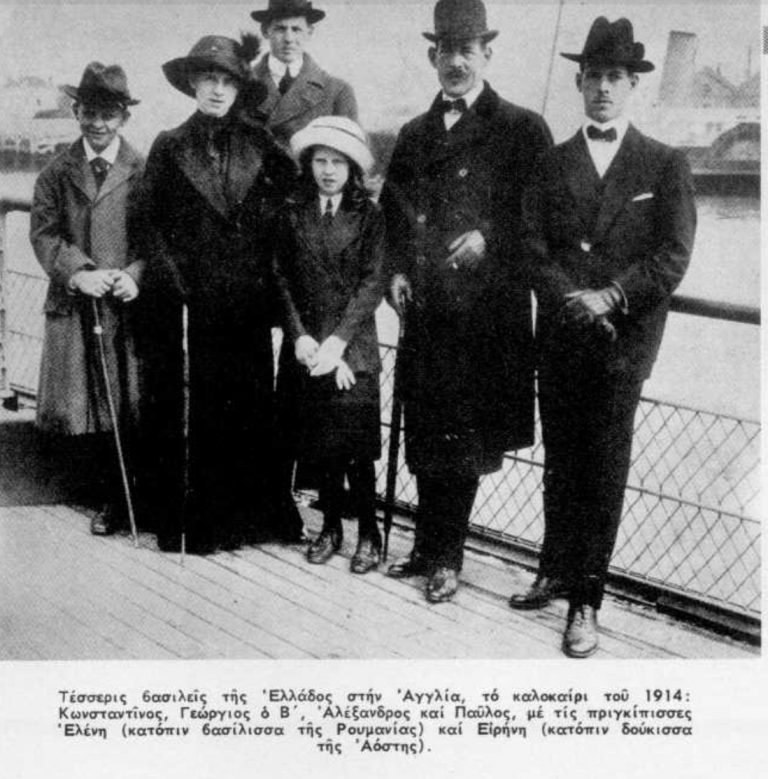
The couple were married privately in November 1919, quietly and with no pomp. Love triumphed despite exile, political pressure, and dynastic purists—making Aspasia “the black sheep of the royal house.”
From Fairy Tale to Tragedy
Their story’s tragic twist came less than a year later. On October 12, 1920, King Alexander died from blood poisoning caused by a freak monkey bite he sustained while breaking up a scuffle between his dog and a monkey at the royal gardens of Tatoi.
He was only 27.
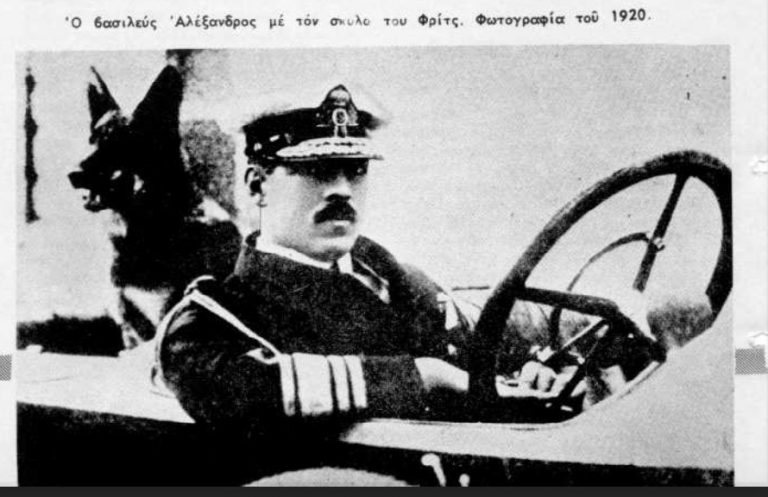
Five months later, Aspasia gave birth to their daughter Princess Alexandra. But the royal family never acknowledged their union nor his rule—instead listing him in his epitaph as vasilópais, “royal child,” rather than king.
This union—strange to royal sensibilities but deeply human—revealed how love can both transcend and inflict pain amid political storms. Alexander’s “sin” wasn’t just marrying a commoner. It was aligning with Venizelos, challenging tradition, and daring to love in a fractured kingdom.