 Μake us preferred on Google
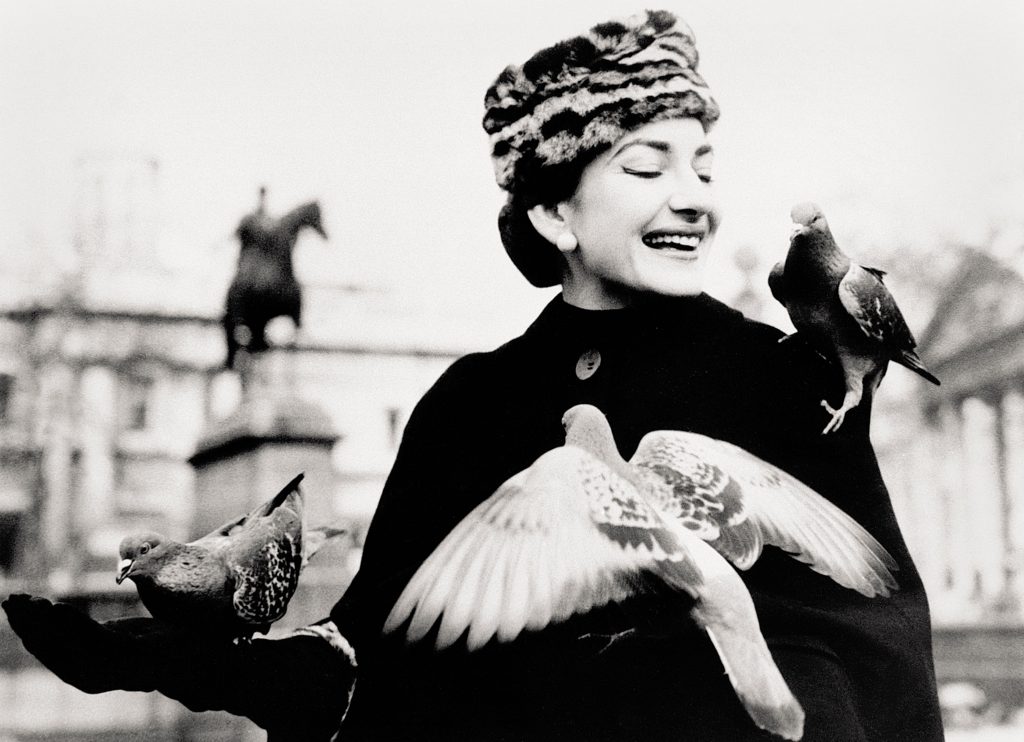
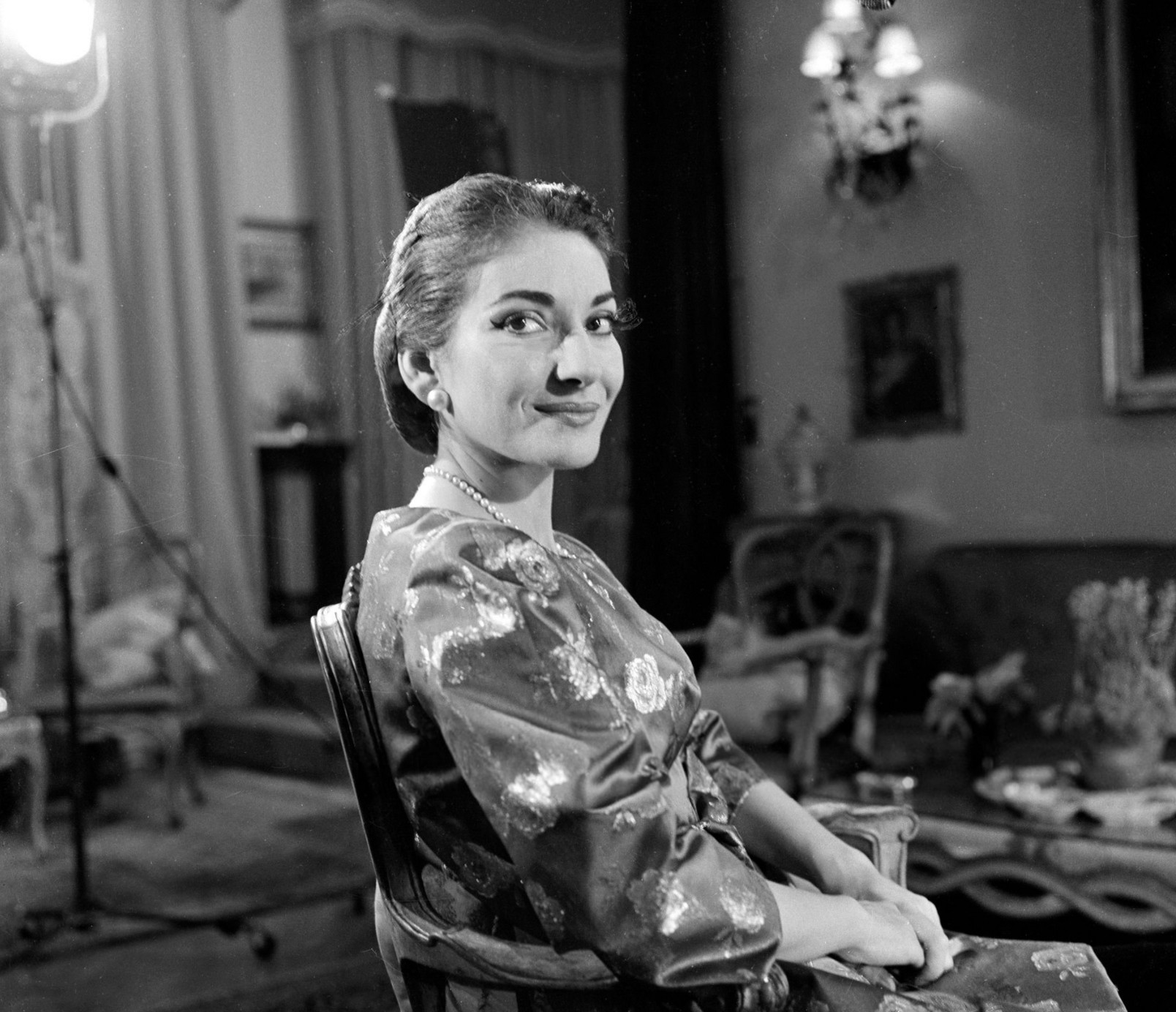
 On September 16, 1977, Maria Callas—the woman hailed as the greatest voice of the 20th century—died suddenly in her Paris apartment at the age of just 53. News of her passing stunned the world.
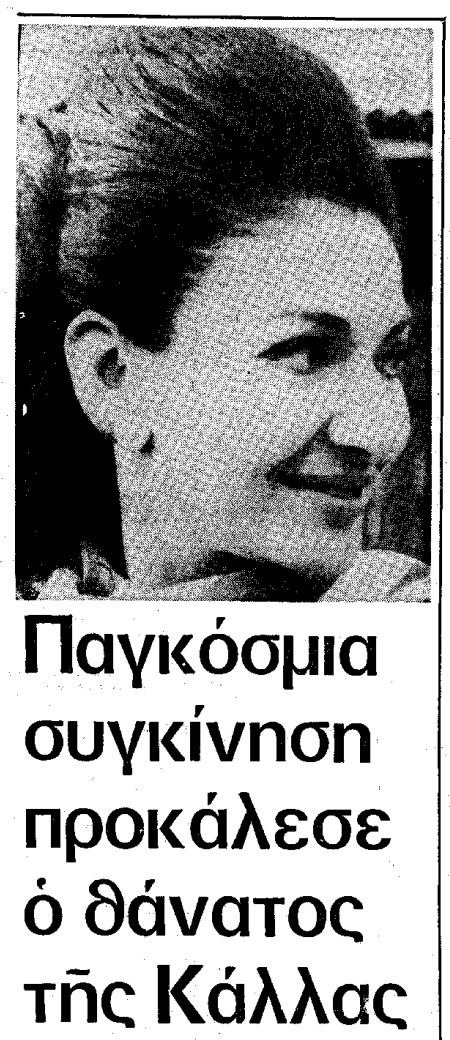
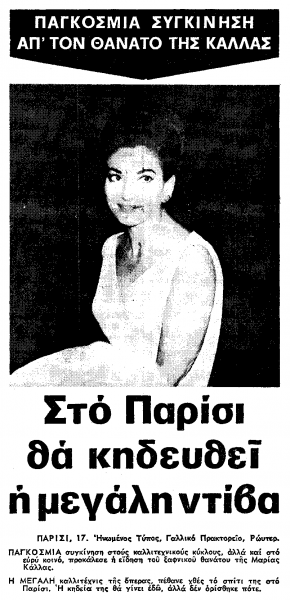
Greek newspaper To Vima reported at the time:
“Global shock was caused by the sudden death of Maria Callas, the ‘prima donna of the 20th century,’ who died yesterday in her apartment in Paris from a heart attack.”
Her final moments were as dramatic as her life. According to reports, she felt a sharp chest pain at noon, called for help, and collapsed. By the time her maid reached her side, it was too late. She was gone.
World leaders, artists, and admirers across continents paid tribute. Even the President of Greece, Konstantinos Tsatsos, and Prime Minister Konstantinos Karamanlis expressed sorrow. Composer Manos Hadjidakis captured what many felt:
“With Maria Callas’ death, the last hero of music is lost. Only heroes become legends, and Callas was one of them.”
From New York to Athens: The Making of a Legend
Born in New York in 1923 to Greek immigrant parents as Maria Anna Sofia Cecilia Kalogeropoulou, she showed her gift early. By age 8 she was taking singing lessons, and at 13 her family returned to Athens, where she trained at the Athens Conservatory under the renowned Spanish soprano Elvira de Hidalgo.
De Hidalgo recalled: “Maria was overweight and awkward, but she sang with incredible power and emotion. Her memory was astonishing—she could learn the most difficult opera in just eight days.”
At only 15, Callas made her stage debut in Athens in Cavalleria Rusticana.
A Voice Too Proud for English Opera
At 22, she auditioned at New York’s Metropolitan Opera. Offered roles in Madama Butterfly and Fidelio—but in English—she refused, dismissing the idea as “absurd.”
“No one can take opera seriously in English,” she declared.
Italy, Love, and Stardom
In 1947, Callas performed in Verona, Italy, where she met industrialist Giovanni Battista Meneghini, 20 years her senior. They married two years later, and he became both her husband and manager.
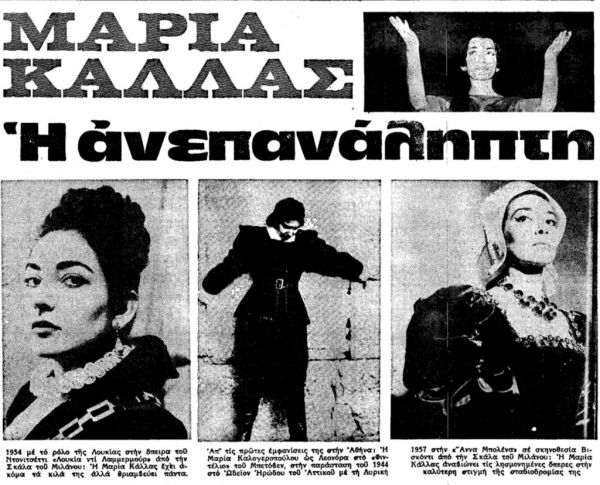
Her performances soon electrified Europe. Critics hailed her as a phenomenon. In 1952, Ta Nea newspaper in Athens quoted eyewitness accounts of British audiences erupting into 30 minutes of ovations, moved to tears by her voice.
Scandals, Feuds, and the FBI
But Callas was as famous for drama offstage as on. In 1955, she abruptly left Chicago after a dispute with an American lawyer escalated to a clash with the FBI.
In 1958, she caused a diplomatic stir by erupting over a costume mishap in a performance attended by Queen Elizabeth II. She was notorious for insisting on solo curtain calls, once prompting Bulgarian bass Boris Christoff to restrain her, saying: “Either we bow together—or not at all.”
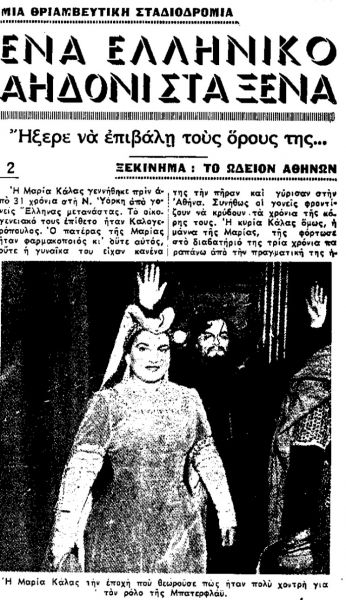
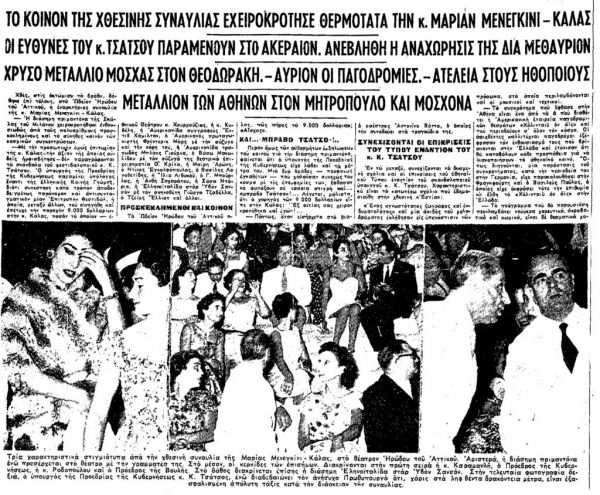
In Greece, her sky-high fee of $9,000 to perform Iphigenia in Aulis at the 1957 Athens Festival sparked outrage. The scandal nearly canceled the show, but when she finally sang, her performance silenced critics.
The Onassis Affair
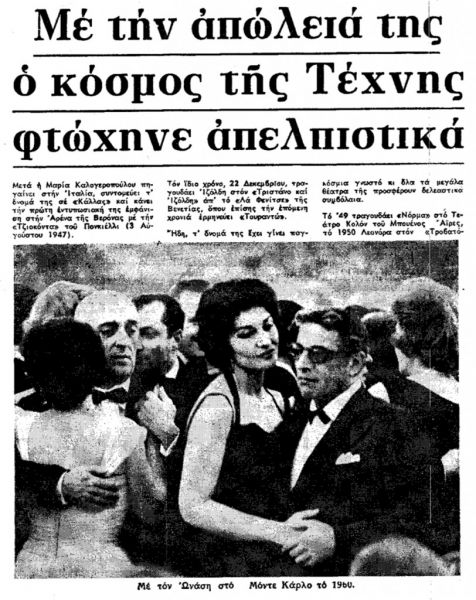
By the 1960s, Callas’ personal life overshadowed her career. She left Meneghini for Greek shipping magnate Aristotle Onassis. Their passionate affair ended in heartbreak when Onassis married Jackie Kennedy in 1968. The betrayal devastated Callas.
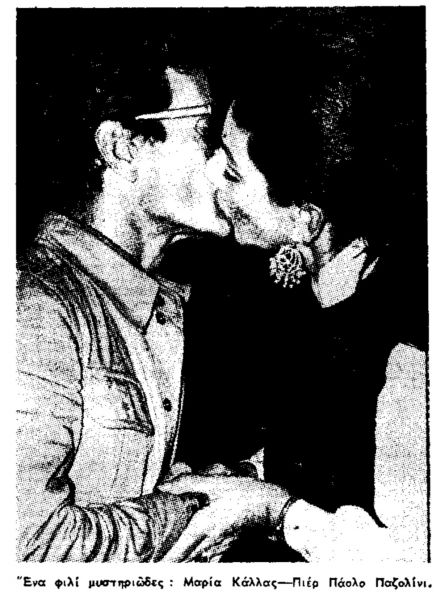
In 1969, she attempted to reinvent herself in film, starring as Medea in Pier Paolo Pasolini’s adaptation. But the film failed to win critical acclaim, and her career never fully recovered.
A Lonely Final Act
By the mid-1970s, the once-glorious soprano lived in near seclusion in Paris, emotionally fragile and increasingly withdrawn. Her sudden death on September 16, 1977, marked the end of an era.
Her legacy, however, remains unmatched.
“With her voice,” critics wrote, “Maria Callas resurrected operas that had become museum pieces—not because they lacked artistic value, but because there was no one capable of singing them. If Norma, La Sonnambula, Alceste, and Medea live again, it is thanks to Callas.”
Maria Callas did not just sing opera—she lived it. And in death, as in life, she remains opera’s eternal diva.