The renewed escalation between the United States and Iran is bringing back a recent nightmare for international markets: the possibility of disrupted energy flows out of the Persian Gulf.
Military operations, threats to restrict shipping, and uncertainty around the Strait of Hormuz are enough to rattle oil markets on their own, even without an actual supply cutoff.
The question now facing governments, businesses, and analysts isn’t just whether the crisis will spread militarily, but whether it could turn into a fresh energy test for Europe, at a time when the continent is already dealing with prolonged heatwaves and surging demand for electricity.
Why the Strait of Hormuz Matters
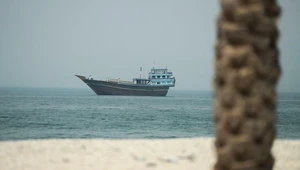
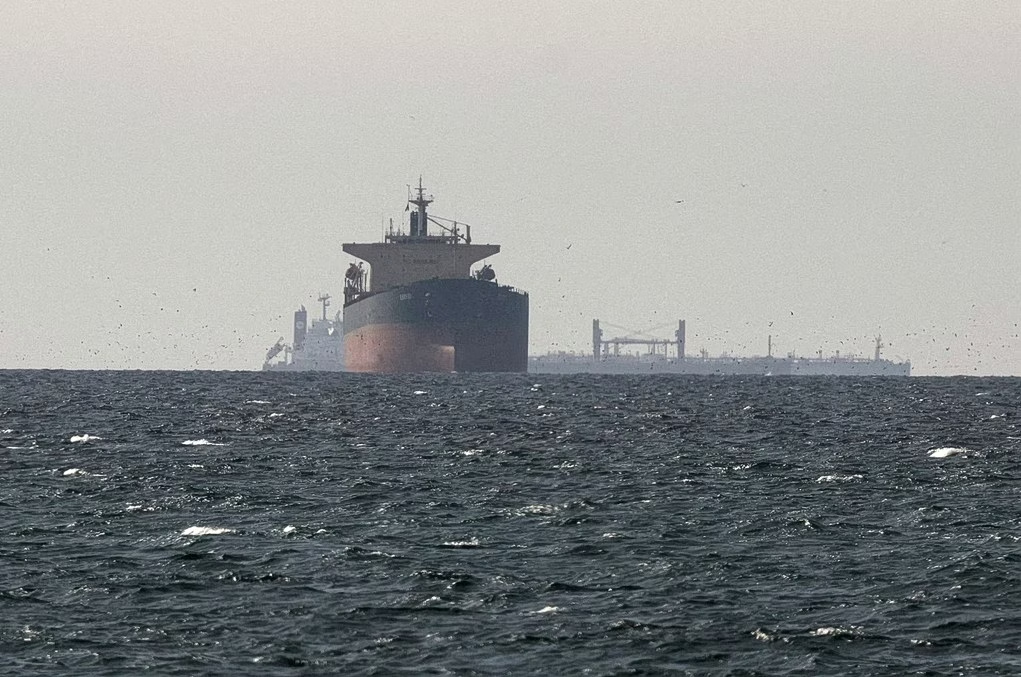
The Strait of Hormuz remains the world’s most important energy chokepoint. Roughly one fifth of the world’s oil trade passes through it, along with large volumes of liquefied natural gas. That’s why any military tension in the area is treated as a potential threat to the global economy.
Markets know that even without a full blockade of the strait, rising insurance costs for tankers, shipping delays, and general uncertainty can be enough to push oil and gas prices higher.
Is Europe Safer Than It Was in 2022?
The picture today looks noticeably different from the one after Russia’s invasion of Ukraine. The European Union has built up its gas reserves, significantly diversified its suppliers, and invested in new LNG import terminals.
That doesn’t mean, however, that Europe’s economy is insulated from global developments. Oil remains a global commodity. A sharp rise in its price affects the cost of transport, industry, food, and ultimately inflation.
At the same time, the gas market has become genuinely global. If Asia turns en masse to the LNG market because of disruptions to Middle Eastern energy flows, competition for available cargoes will intensify, and prices are likely to climb in Europe too.
Heatwaves Add Another Layer of Pressure
The timing makes the situation even more complicated. The prolonged heatwaves affecting much of Europe are driving up electricity demand significantly, due to heavy use of air conditioning. In several countries, electricity generation still relies heavily on natural gas.
That means a new spike in international energy prices wouldn’t just be a supply problem, it could quickly translate into higher bills for households and businesses.
Markets Fear Uncertainty More Than Shortages
Most analysts believe the global economy is better prepared for a geopolitical crisis today than it was four years ago. Strategic oil reserves are higher, production has increased in several countries, and Europe is no longer as dependent on a single gas supplier.
That resilience, however, has its limits. If the tension drags on, or if there’s an actual disruption to energy flows from the Persian Gulf, pressure on the markets will rise sharply. Already, prices are reacting more to uncertainty than to actual shortages, since every new military development affects shipping costs, vessel insurance, and investor expectations.
The Impact on Greece
For Greece, the bigger risk isn’t so much fuel availability as fuel cost. Rising international oil and gas prices feed directly into the economy, while Greek shipping is closely watching developments along one of the most important sea routes in global trade.
The renewed tension in the Middle East is a reminder that, despite the steps taken since the 2022 energy crisis, Europe remains tied to developments in a region that still supplies much of the global economy. And as geopolitical instability coincides with climate pressure and summer’s higher energy needs, fears grow that a regional crisis could carry far broader economic consequences.