 Μake us preferred on Google
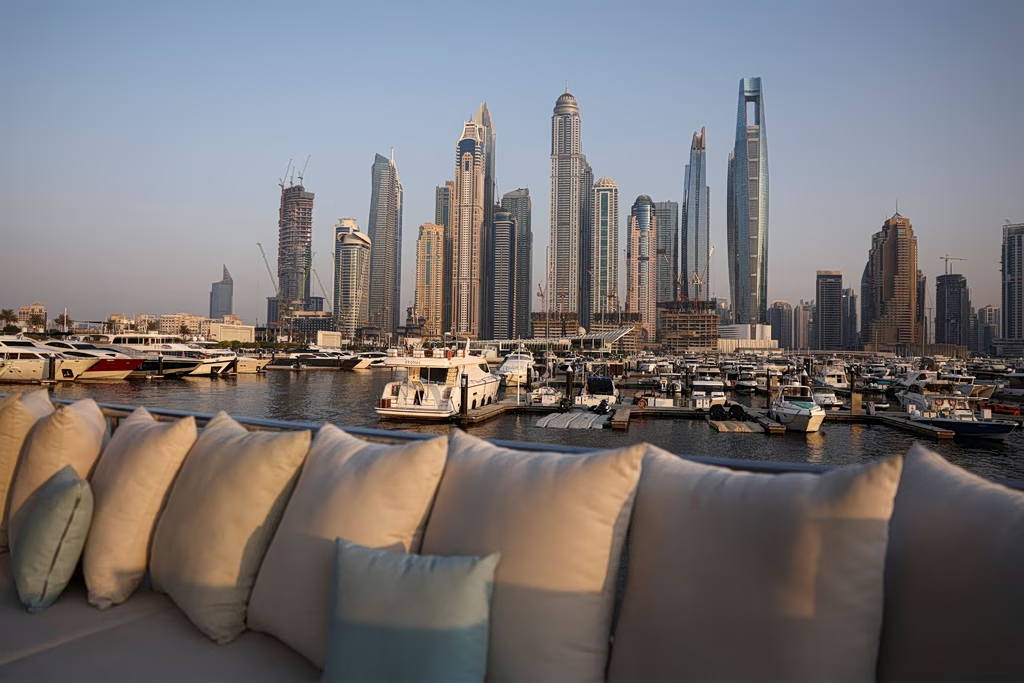
 DP World,a Dubai logistics company, is planning to build a new port and container terminal on the UAE’s east coast in order to reduce Dubai’s dependence on its flagship Jebel Ali hub and bypass the Strait of Hormuz, according to the Financial Times.
People familiar with the matter said the Dubai-based port operator is in talks to develop a new multi-purpose port on the coast of Fujairah and a new terminal at that emirate’s existing port.
Over the past two decades DP World has grown into one of the UAE’s most active global players, building a worldwide network of ports and logistics operations, though Jebel Ali remains the company’s and Dubai’s centerpiece asset. Shifting some capacity outside Dubai marks a significant shift for an emirate that built its role as a global trade and financial hub largely on Jebel Ali’s growth.
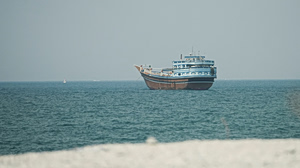
The plan fits into a broader UAE government strategy to shield the economy from potential future tensions with Iran, aiming to cut reliance on the Strait of Hormuz, where shipping has repeatedly been disrupted by Iranian drone and missile attacks following the US-Israeli strikes. The new project would strengthen the company’s presence on the Gulf of Oman, allowing containers to move without passing through the strait and instead travel overland to Dubai, Abu Dhabi and other Gulf states.
FT Exclusive: DP World is planning to build a new port and a container terminal on the United Arab Emirates’ east coast that would reduce Dubai’s dependence on its flagship Jebel Ali hub and bypass the Strait of Hormuz. https://t.co/lF2nUTqlUc pic.twitter.com/piVEq9N0BQ
— Financial Times (@FT) July 13, 2026
Since the war began in late February, Iran has fired nearly 3,000 drones and missiles at the UAE, more than at any other country, according to the report. Early in the conflict a fire broke out at Jebel Ali, which authorities attributed to falling debris after a missile interception. The episode added to a difficult stretch for DP World, which shortly before had removed its longtime chairman and CEO, Sultan Ahmed bin Sulayem, over his ties to convicted sex offender Jeffrey Epstein.
Activity at Jebel Ali, the region’s largest container port, fell by 90-95% after Iran closed the strait, pushing the company to look for alternative routes. DP World is reportedly negotiating with government officials over the final scope and financing of the new project, which could be completed within about a year and a half.
While the company declined to confirm details of the east coast plans, a spokesperson said there are ongoing diversification plans to deal with current disruptions. Gulf government officials stressed the eastward shift does not mean replacing Jebel Ali, which retains its free trade zone, warehouses and industrial facilities.
A senior company executive said Jebel Ali will remain Jebel Ali, with no scaling back, and that DP World plans to initially invest hundreds of millions of dollars in the new facilities, with room to increase that depending on need, describing the move as a defensive step in case things go wrong.
The plans reflect how the war with Iran has forced regional governments and businesses to rethink critical infrastructure and trade routes that depended on unimpeded passage through the Strait of Hormuz. Before the conflict, about 135 ships transited the waterway daily, a number that has fallen to fewer than 40 since the temporary US-Iran ceasefire. The fragile diplomatic process has worsened in recent days after new Iranian attacks on vessels, further reducing shipping traffic.
Jebel Ali, which handled 15.6 million containers last year, has been the foundation of Dubai’s rise as a global logistics and re-export hub, particularly between China and Africa, but its dependence on the strait makes the crisis’s impact significant and lasting, according to Lars Jensen, CEO of Vespucci Maritime.
Moody’s estimates DP World’s total revenue will fall from $6.6 billion in 2025 to roughly $5.9 billion this year because of the conflict. Since the war began, the company has already shifted cargo from Jebel Ali to the ports of Fujairah and Khor Fakkan, which are now facing congestion from the increased traffic.
The new plans come as Sharjah-based Gulftainer pursues its own expansion at Khor Fakkan, announcing a $2 billion investment to increase capacity. Fujairah, one of the UAE’s seven emirates, already plays a strategic role in the country’s energy infrastructure, serving as a route through which Abu Dhabi exports part of its oil, with plans to increase volumes there to bypass the Strait of Hormuz.