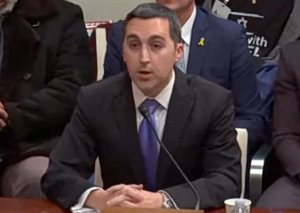
Indonesia’s President Prabowo visited Tokyo this week, signing agreements with Japan covering long-term oil, gas, and geothermal projects.
A potential deal is in discussion that would see Indonesia supply Japan with liquefied natural gas in return for liquefied petroleum gas, a fuel widely used for cooking, though neither leader officially confirmed such an arrangement.
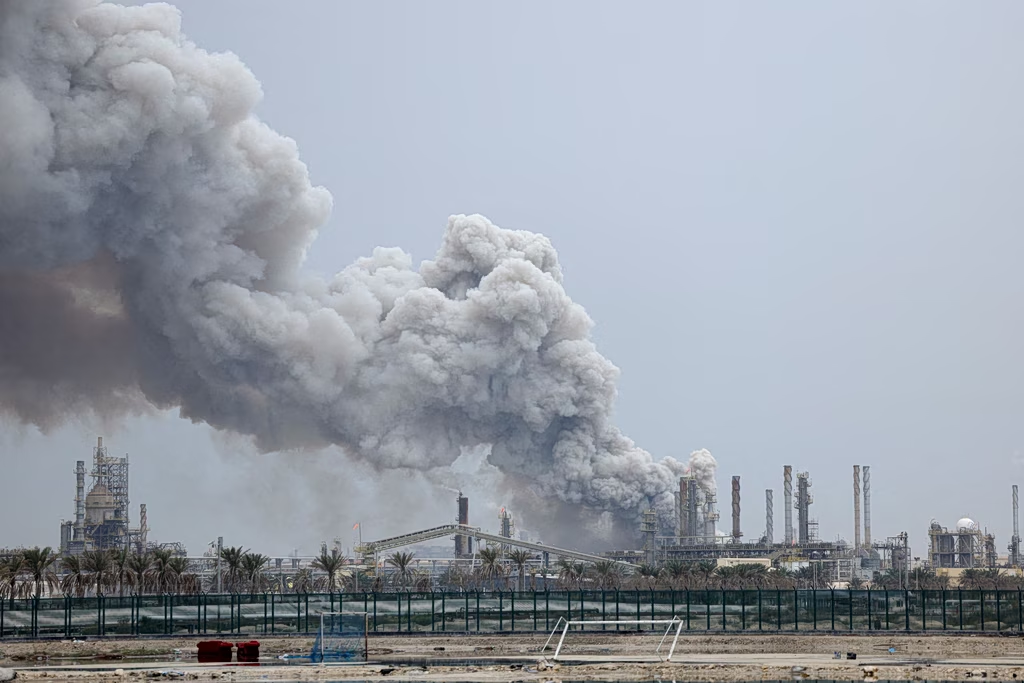
The crisis has intensified as China banned fuel exports, while South Korea and Thailand are looking to fill the gap by taking advantage of newly lifted U.S. sanctions on Russian energy. Poorer countries are feeling the strain most acutely:
- the Philippines declared a national energy emergency,
- Sri Lanka moved to a four-day work week and began rationing fuel, and
- Myanmar restricted car use to alternating days.
- Indonesia, the region’s largest economy, is expected to announce its own restrictions shortly.
Japan is also reportedly in talks with India through state-backed energy company Inpex to exchange LPG for naphtha and crude oil. Vietnam has asked Japan for energy assistance, and the Philippines has already received a diesel shipment from Tokyo.
Japan’s trade minister underscored the need to keep fuel flowing to Southeast Asian countries where Japanese companies maintain supply chains, though he avoided commenting on specific deals. Japan itself is heavily dependent on the Middle East for roughly 95% of its oil, making these alternative arrangements all the more urgent, despite its relatively large strategic reserves.
Meanwhile, Australia, as a significant energy producer, is seen as having leverage in regional supply negotiations, particularly for jet fuel. Its foreign minister confirmed the government is in talks with major suppliers including China, Singapore, and South Korea.