
 Μake us preferred on Google
 A ceasefire between Israel and Hamas resumed on Sunday after a deadly exchange of fire that left two Israeli soldiers and at least 26 Palestinians dead, marking the most serious breach yet of the fragile truce in Gaza.
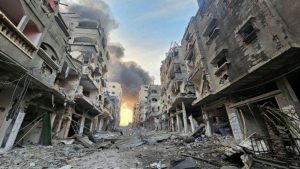
The Israeli military confirmed the ceasefire was back in effect hours after launching a wave of airstrikes across the enclave, which it said targeted Hamas field commanders, gunmen, tunnels, and weapons depots. The strikes followed an anti-tank missile attack on Israeli troops near the Gaza border.
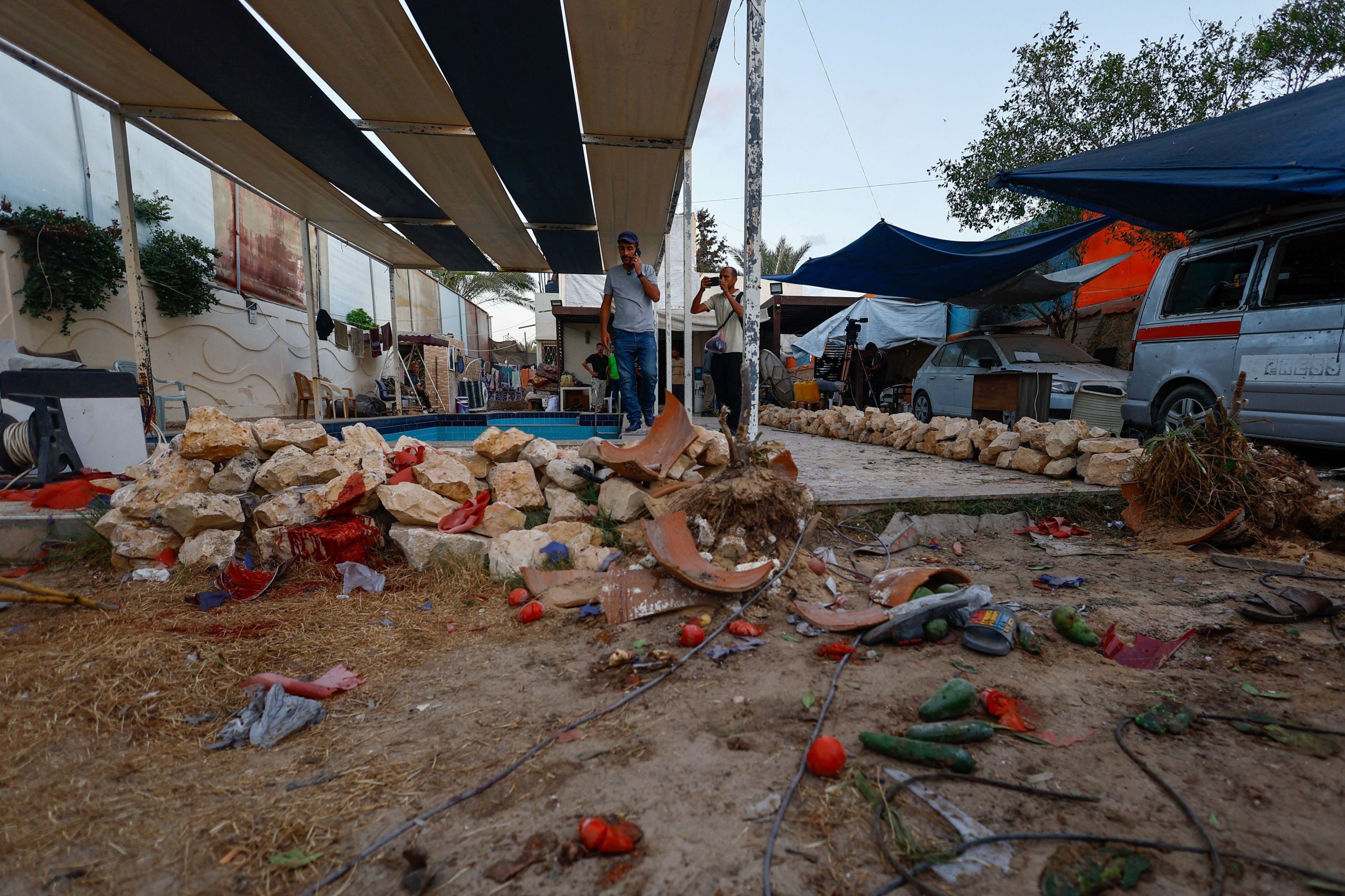
Local health officials in Gaza said the Israeli strikes killed 26 people, including a woman and a child, and hit a former school in Nuseirat sheltering displaced families.
U.S. President Donald Trump, who brokered the ceasefire earlier this month, said the truce remained in place despite the violence.
“We think maybe the [Hamas] leadership isn’t involved in that,” Trump told reporters aboard Air Force One. “Either way … it’s going to be handled toughly but properly.”
Trump said aid deliveries into Gaza were expected to resume Monday, following U.S. pressure on Israel to lift its temporary suspension of supplies imposed after the incident.
Israeli Prime Minister Benjamin Netanyahu ordered a “forceful” response to what he described as Hamas’ violation of the truce. Defense Minister Israel Katz said Israeli forces would clearly mark the “yellow line” demarcating their pullback zone under the ceasefire and would open fire on any attempt to cross it.
Hamas’ armed wing said it remained committed to the ceasefire agreement and had no knowledge of clashes in Rafah, adding it had not communicated with local groups there since March.
U.S. Vice President JD Vance warned that Hamas’ fragmented structure, with about 40 separate cells, complicated enforcement of the truce.
“Some of those cells will probably honor the ceasefire. Many … will not,” he said.
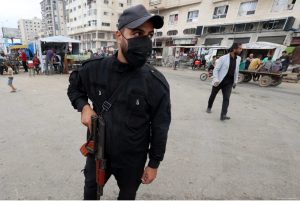
Fearing the ceasefire might collapse, families fled homes in Khan Younis, while markets in Nuseirat saw panic buying.
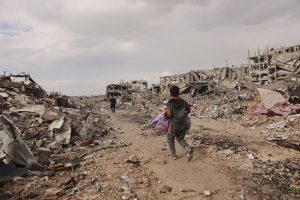
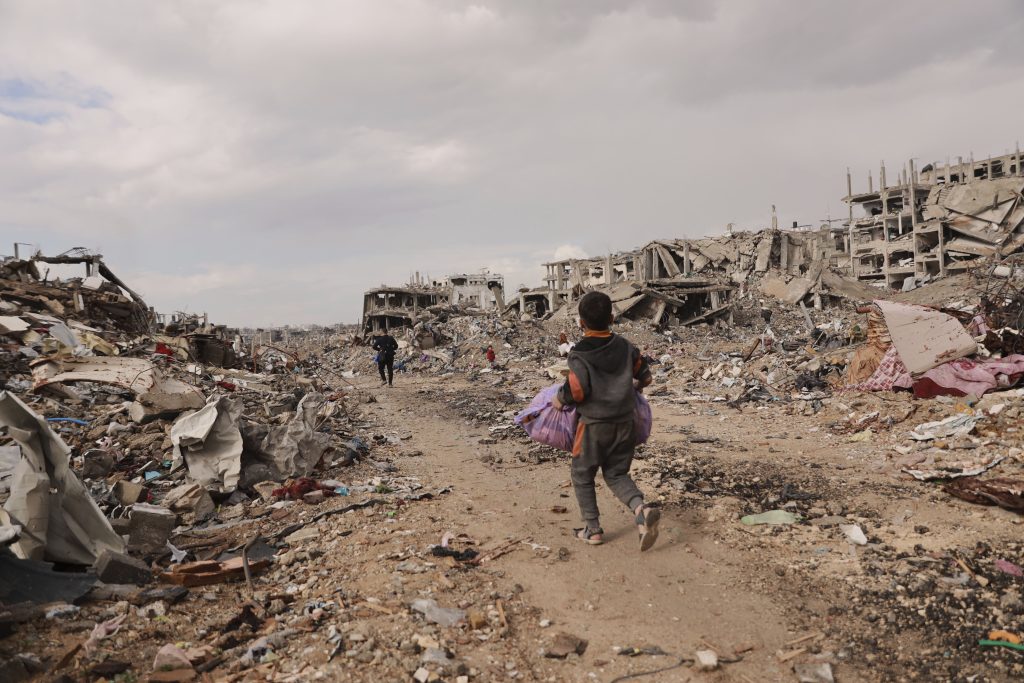
The truce, in effect since October 10, halted two years of war, but both sides have traded accusations of violations in recent days. Israel says Hamas has been slow to return the bodies of deceased hostages, while Hamas accuses Israel of blocking aid and killing 46 people since the ceasefire began.
The Rafah crossing with Egypt, a key lifeline for humanitarian assistance, remains closed but is expected to reopen if the ceasefire holds. The United Nations has warned that far more aid is needed to address Gaza’s severe food shortages and famine risk.
While Sunday’s resumption of calm brought brief relief, deep divisions remain over Hamas’ disarmament, Gaza’s future governance, and the structure of a proposed international stabilization force — key issues that will determine whether peace can last.