
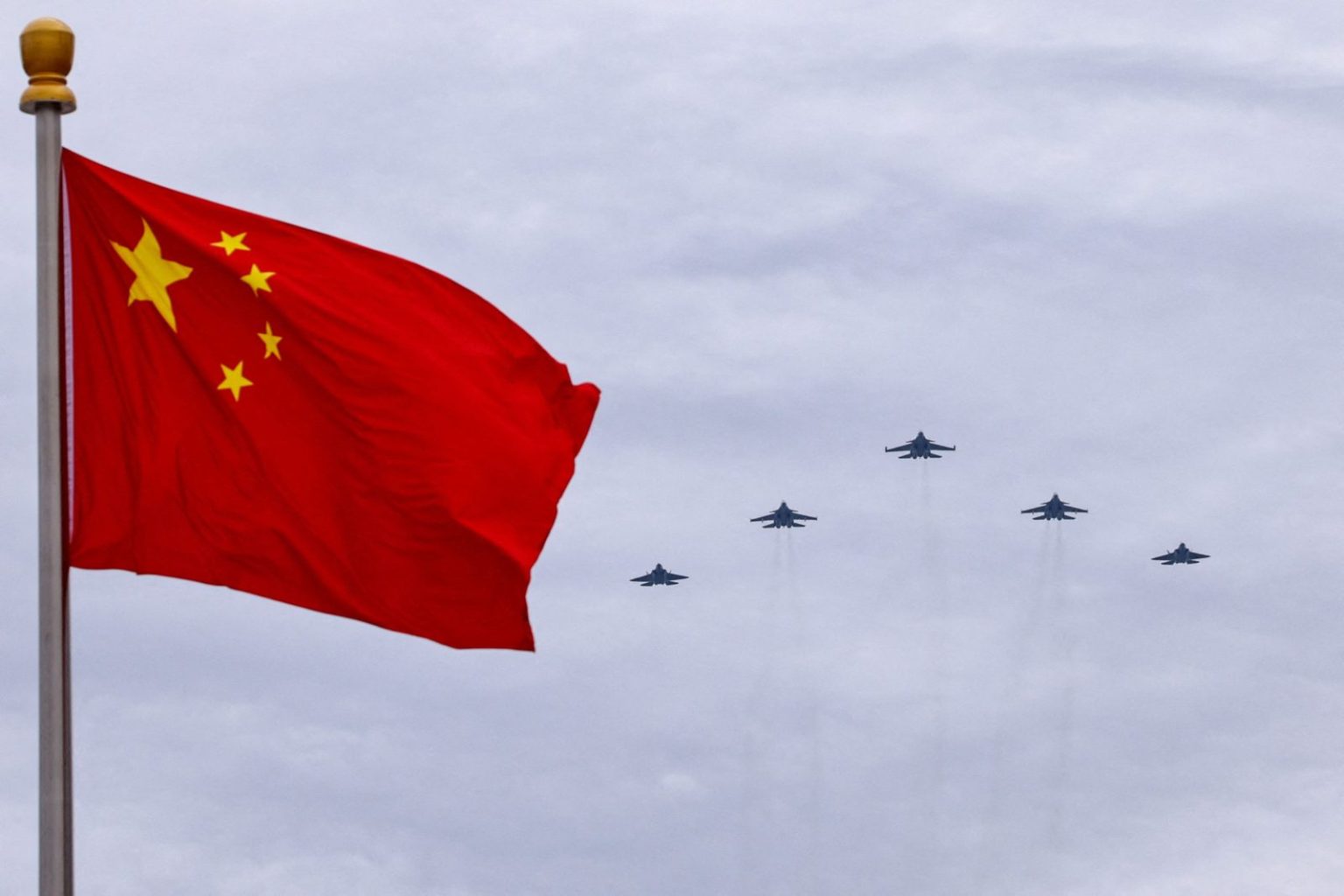
China is preparing to reveal its latest domestically produced weapons in one of the most politically charged military events of recent years. On September 3, a grand parade in Tiananmen Square will mark the 80th anniversary of victory over Japan in World War II, blending commemoration with a powerful show of force.
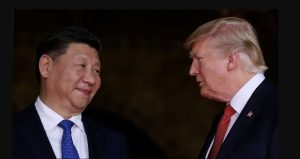
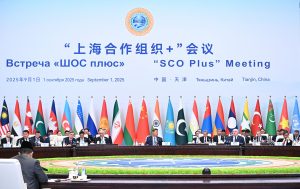
President Xi Jinping, in his role as commander-in-chief, will inspect the troops before the parade, which is expected to feature more than 10,000 soldiers, over 100 aircraft, and hundreds of military vehicles. Russian President Vladimir Putin will attend, though his presence has raised concerns among some European diplomats wary of legitimizing Moscow amid its ongoing war in Ukraine.
The official theme of the event is “peace and international justice,” but the underlying focus will be the People’s Liberation Army’s ability to wage modern, high-tech warfare across new domains, including cyberspace, outer space, electronic operations, and hypersonic weapons.
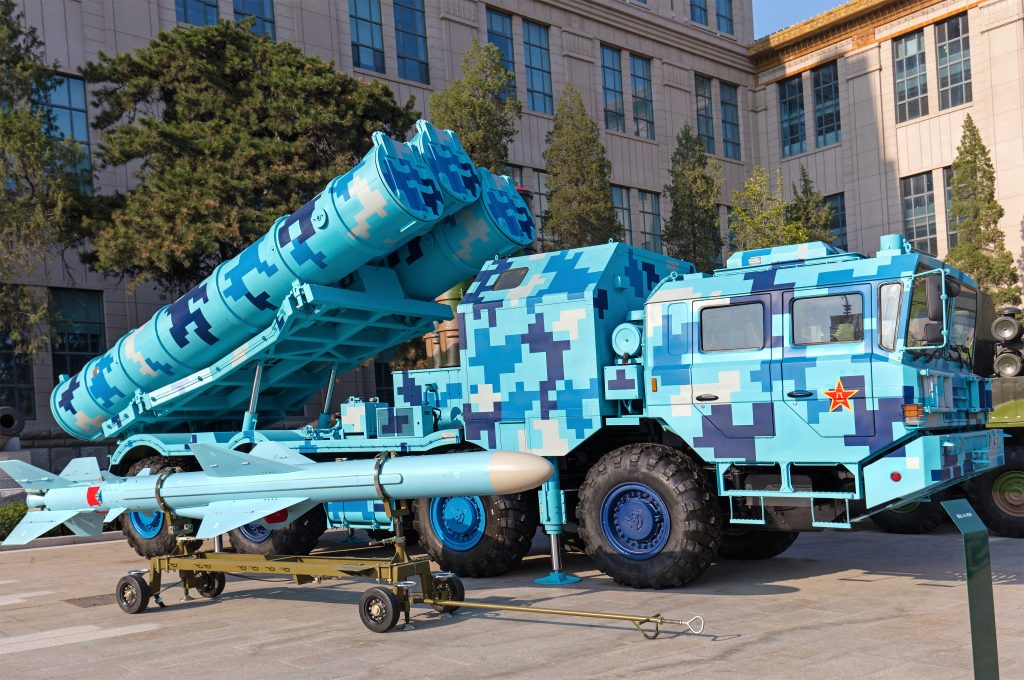
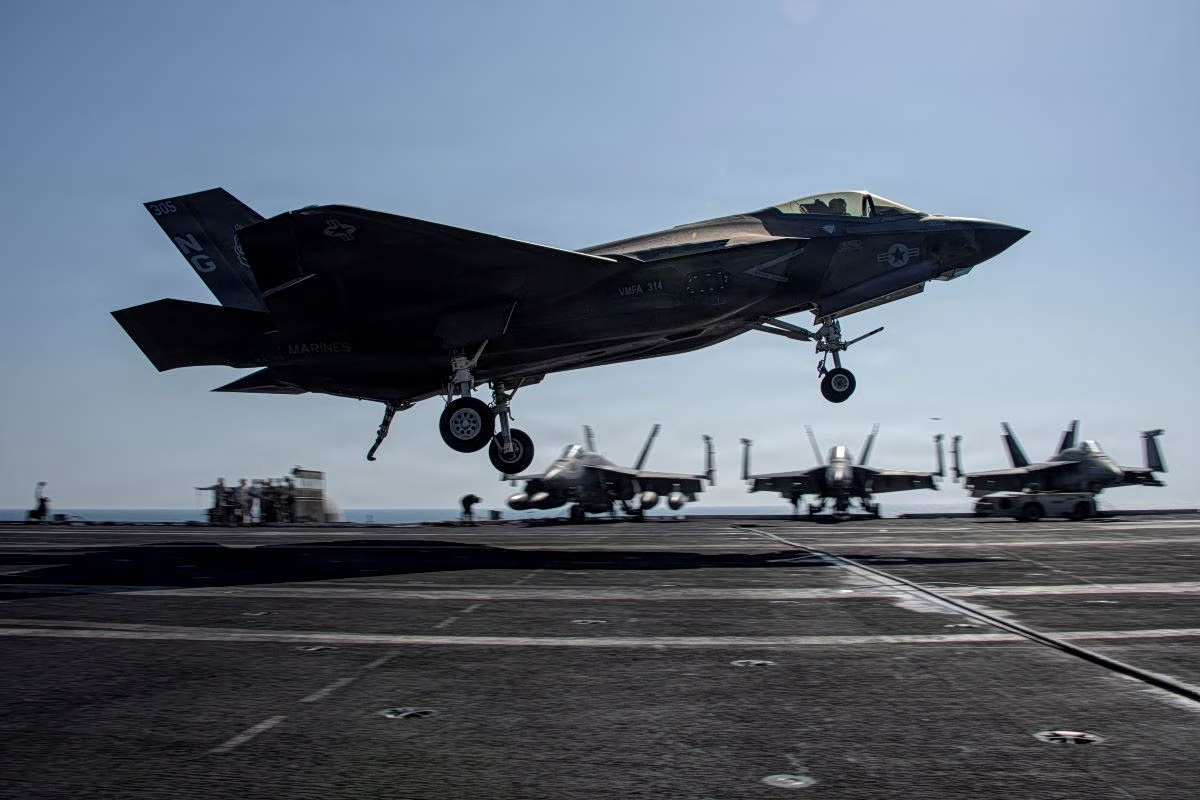
According to official sources and leaked details from rehearsals, the parade will present over 100 weapon systems already in operational use. Among the most anticipated are the new YJ-series anti-ship missiles — YJ-15, YJ-17, YJ-19, and YJ-20 — designed to neutralize large U.S. naval assets such as aircraft carriers. These weapons are central to China’s A2/AD strategy, aimed at deterring or complicating foreign military access to the South China Sea, the Taiwan Strait, and the western Pacific.
Other expected highlights include new missile launchers capable of evading U.S. missile defense systems, as well as road-mobile intercontinental ballistic missiles (ICBMs). These include the DF-31AG, with a range of over 11,000 kilometers, and the DF-41, considered China’s most powerful ICBM, capable of carrying up to ten warheads with a reach of 12,000–15,000 kilometers.
Analysts also expect the debut of the FH-97, China’s first stealth combat drone described as a “loyal wingman.” The unmanned aircraft can operate alongside fighter jets, carrying out reconnaissance, strike missions, and electronic warfare. If confirmed, China would become the first nation to field such a combat-ready stealth drone, surpassing U.S. and Australian programs still under development.
Beijing’s unveiling of this new generation of weaponry highlights its push for technological superiority, particularly in hypersonic and unmanned systems, amid intensifying competition with both the United States and Russia. At the same time, China remains one of the world’s top arms exporters, supplying primarily to developing nations such as Pakistan.