A cyberattack targeting check-in and boarding systems caused delays and disruptions at several major European airports on Saturday, exposing vulnerabilities in aviation security, says AP.
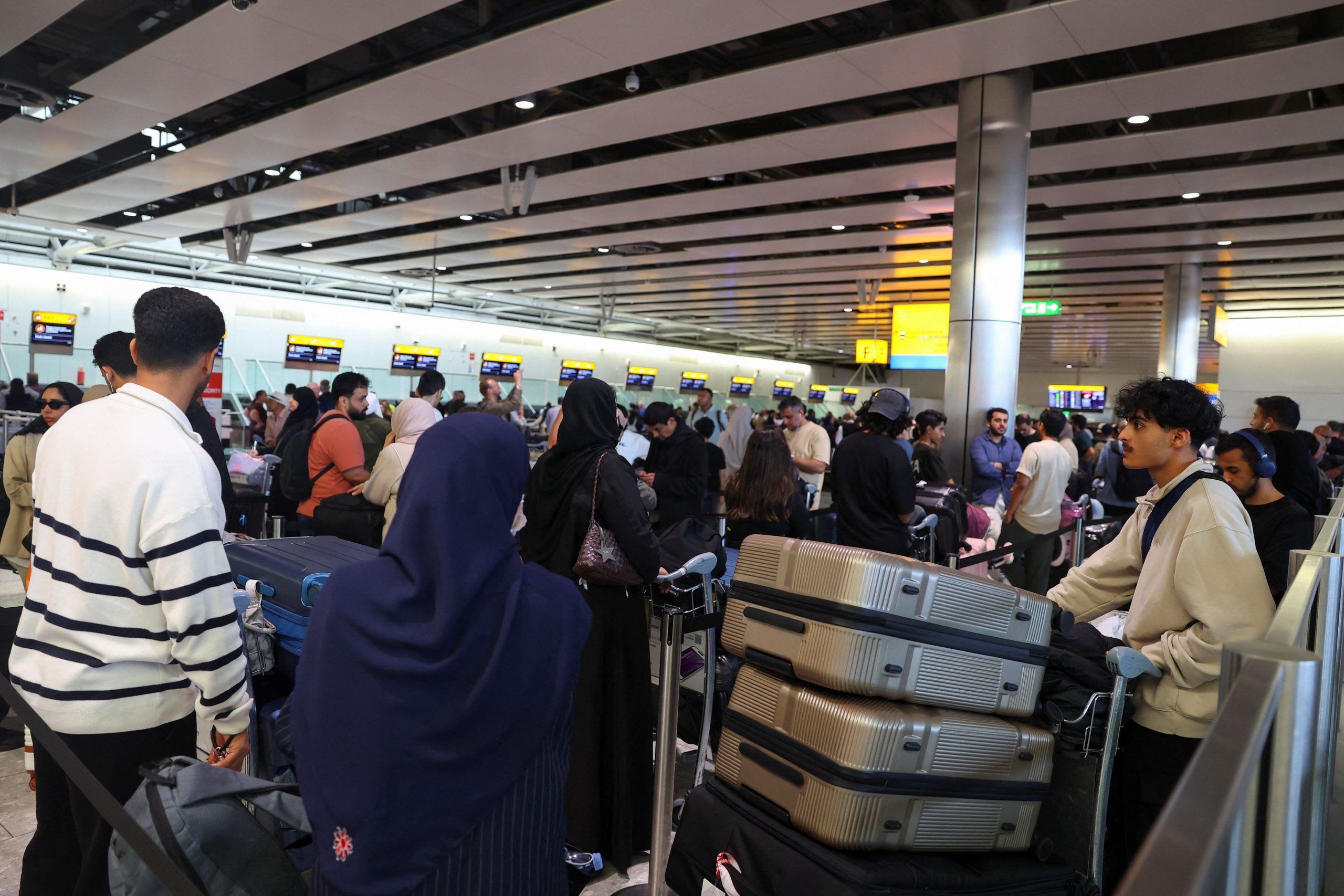
The intrusion hit Brussels Airport, Berlin’s Brandenburg Airport, and London’s Heathrow, forcing staff to switch to manual check-in and baggage handling. Other airports reported minimal or no impact.
Brussels Airport confirmed nine flights were canceled, four diverted, and 15 delayed by over an hour. Berlin operators disconnected affected systems, while Heathrow said disruptions were “minimal” with no direct cancellations.
The attack centered on Collins Aerospace’s MUSE software, which powers passenger check-in, boarding passes, and baggage systems. Collins, a subsidiary of RTX Corp., said it was working to restore full functionality but stressed the impact was limited to electronic systems.
Passengers faced long waits and frustration. At Heathrow Terminal 4, Maria Casey described spending three hours in line as staff wrote baggage tags by hand.
Experts called the incident a “very clever cyberattack”, noting it hit multiple airlines and airports at once. Analysts warned the aviation industry’s reliance on shared third-party digital platforms leaves it increasingly vulnerable to hackers.
Charlotte Wilson of cybersecurity firm Check Point said attackers often exploit supply chain weaknesses: “When one vendor is compromised, the ripple effect can be immediate and far-reaching, causing widespread disruption across borders.”
Authorities have not identified the perpetrators. Some experts suggested it looked more like vandalism than extortion, but investigations are ongoing.
Airports across Europe advised travelers to check their flight status before heading to terminals.