
 Μake us preferred on Google
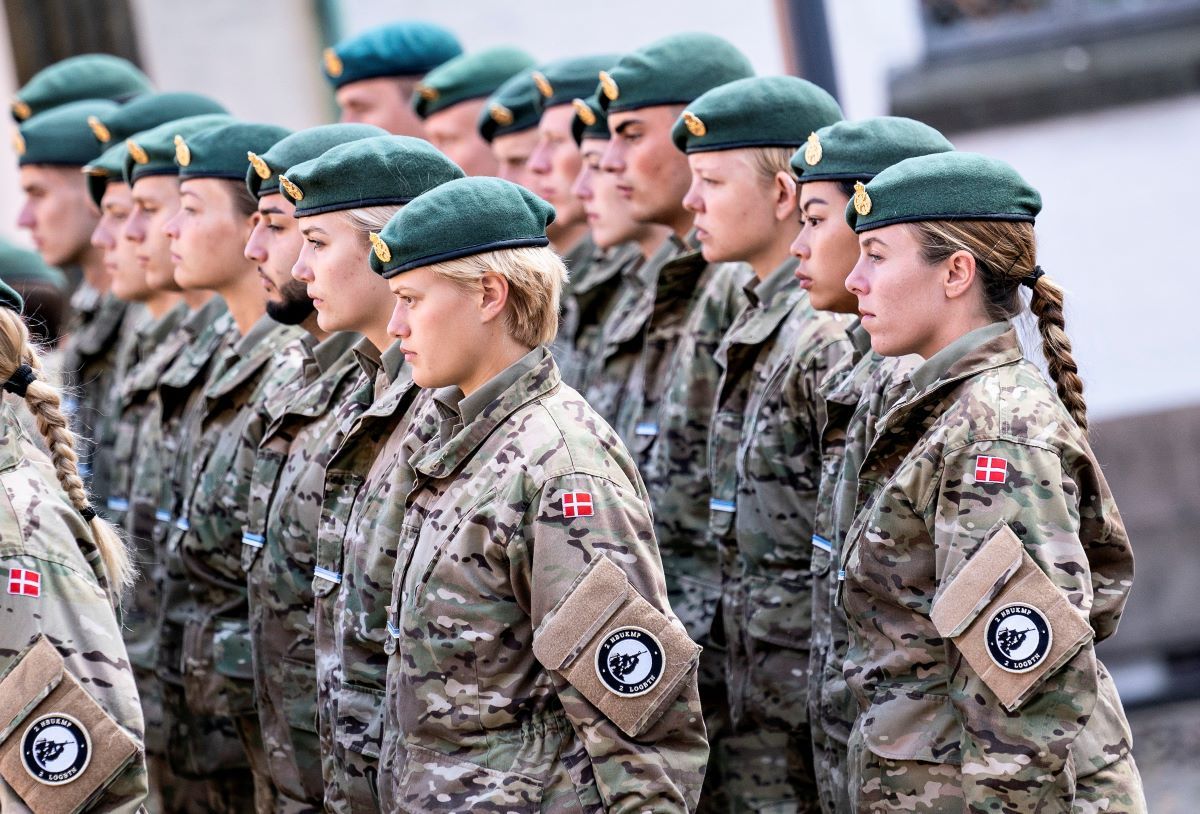
 For the first time in its history, Denmark has introduced mandatory military service for women, becoming the third European country to do so after Norway (2015) and Sweden (2017). The move, announced in July, places 18-year-old Danish women into the same draft lottery as their male peers, ending a system where female participation had been voluntary.
The law also extends service from four to eleven months, with the first conscripted women expected to begin in January 2026.
The Ministry of Defense has promoted the measure as “full gender equality in conscription.” Denmark aims to raise annual conscription numbers to 7,500 by 2033, supplementing its 9,000 professional soldiers.
Divided Opinions at Home
The decision has sparked heated debate. Critics—many of them women—argue that conscription risks further delaying education and careers already impacted by family responsibilities. They believe service should remain a personal choice.
Supporters counter that true equality requires equal obligations. They view the previous system, where only men were subject to mandatory service, as discriminatory and reinforcing patriarchal norms. Interestingly, even some Danish pacifists opposed to military service in principle say the law is fair, since conscription should not discriminate by gender.
Broader European and Global Context
Denmark’s shift comes amid a tense geopolitical climate, from Ukraine to the Middle East. Across the EU, women make up about 10% of armed forces personnel, whether volunteers or conscripts.
In Greece, women account for 17% of permanent staff but do not yet serve compulsory terms, despite a legal framework permitting it since 1977. Ukraine, despite being at war, does not mandate female service, though 68,000 women now serve voluntarily—up 40% since Russia’s 2022 invasion.
Beyond Europe, the debate is global. In the U.S., 200,000 women—14% of the military—serve on a voluntary basis, including in combat roles since 1993. Federal courts have questioned whether a male-only draft is constitutional.
Israel remains the longest-standing example: women have served compulsory terms since 1949, though for two years compared with men’s three.