 Μake us preferred on Google
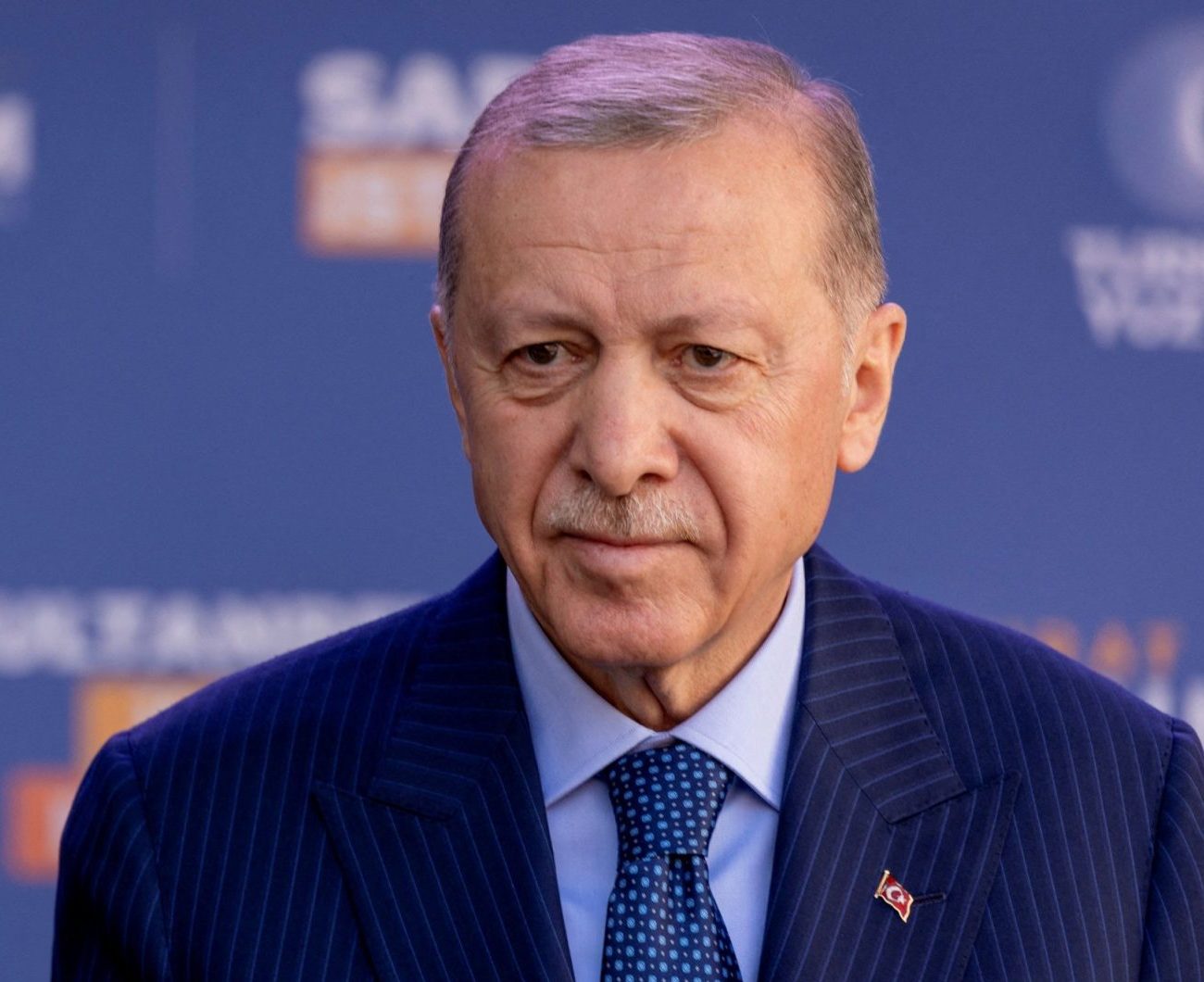
 The idea of an isolated Turkey under President Recep Tayyip Erdoğan has long since collapsed. Instead, Ankara has placed itself at the center of multiple international arenas, balancing between conflicting powers and exploiting its strategic geography.
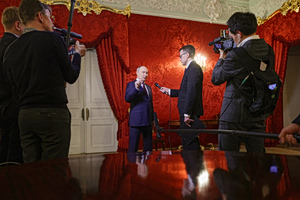
During his recent return from China, Erdoğan told reporters that Russia and Ukraine were “not yet ready” for a summit to end the war. He urged both sides to gradually raise the level of their talks, noting he had spoken with Vladimir Putin in person and with Volodymyr Zelensky by phone.
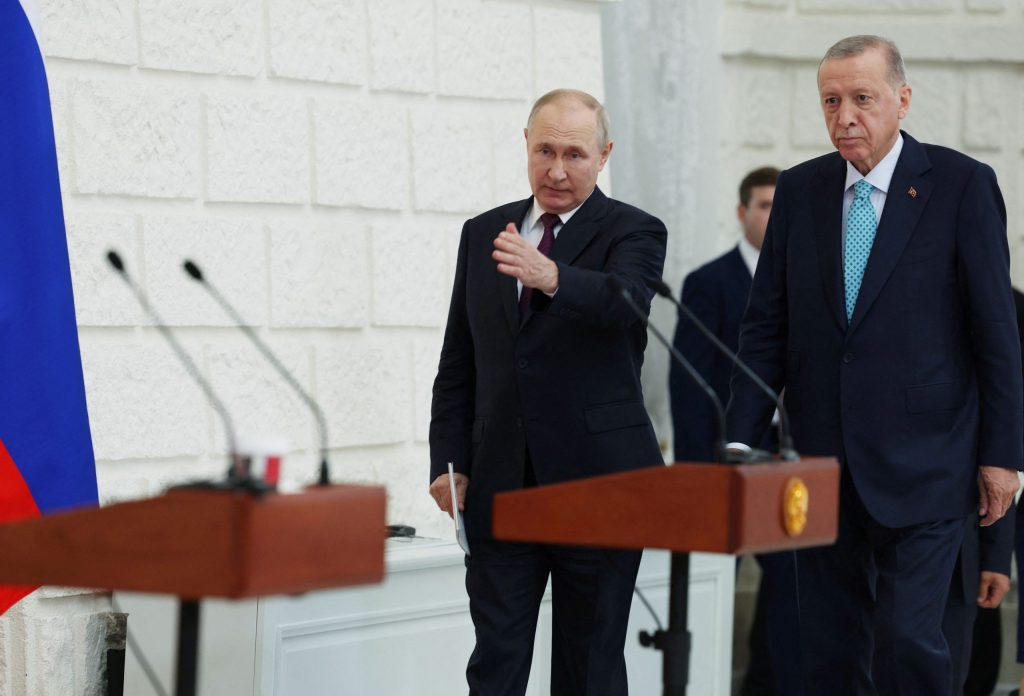
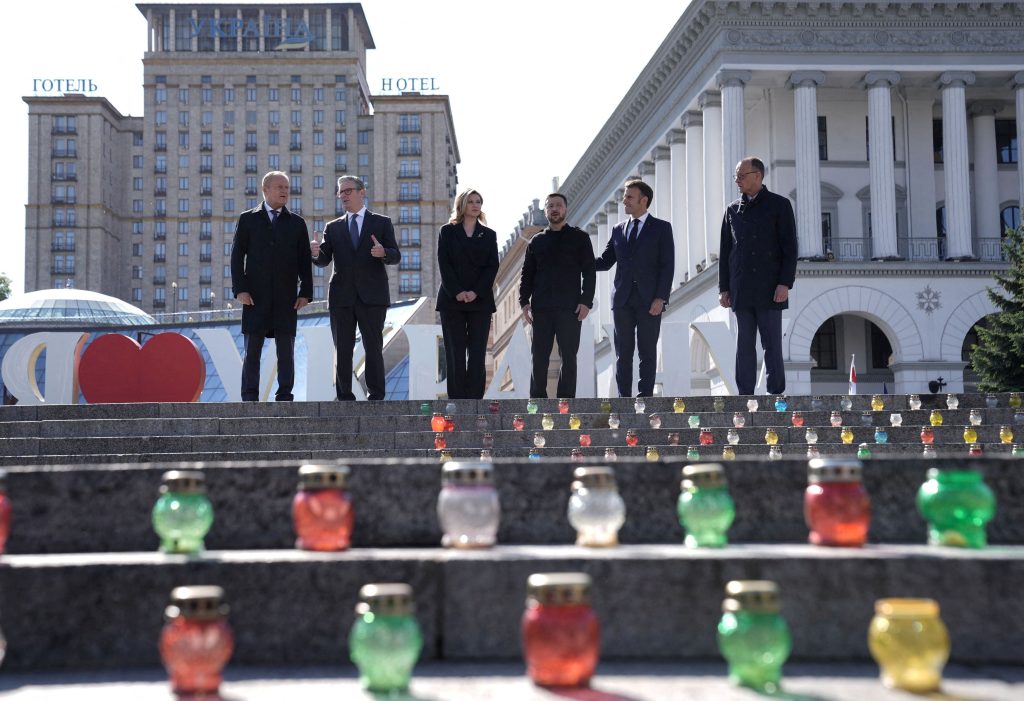
This dual role is not new. Since the early days of Russia’s invasion of Ukraine in 2022, Turkey has both supplied drones to Kyiv and hosted talks between Russian and Ukrainian delegations, while maintaining open channels with Moscow. A planned drone factory in Ukraine, built with Turkish support, was recently targeted by Russian missiles.
Erdoğan also described his discussions in Beijing as “productive,” focused on strengthening bilateral economic ties, though he skipped the military parade marking the end of World War II attended by Putin and Kim Jong Un.
Turkey’s balancing act extends far beyond Ukraine. It has clashed with Israel over Syria, yet maintained trade even during the Gaza conflict. U.S. President Donald Trump has praised Erdoğan as a “strong and very smart leader,” urging Israel to resolve differences with him. At the same time, some European governments now view Turkey as a critical partner in defense against Russia, investing heavily in its arms industry while resisting its EU membership.
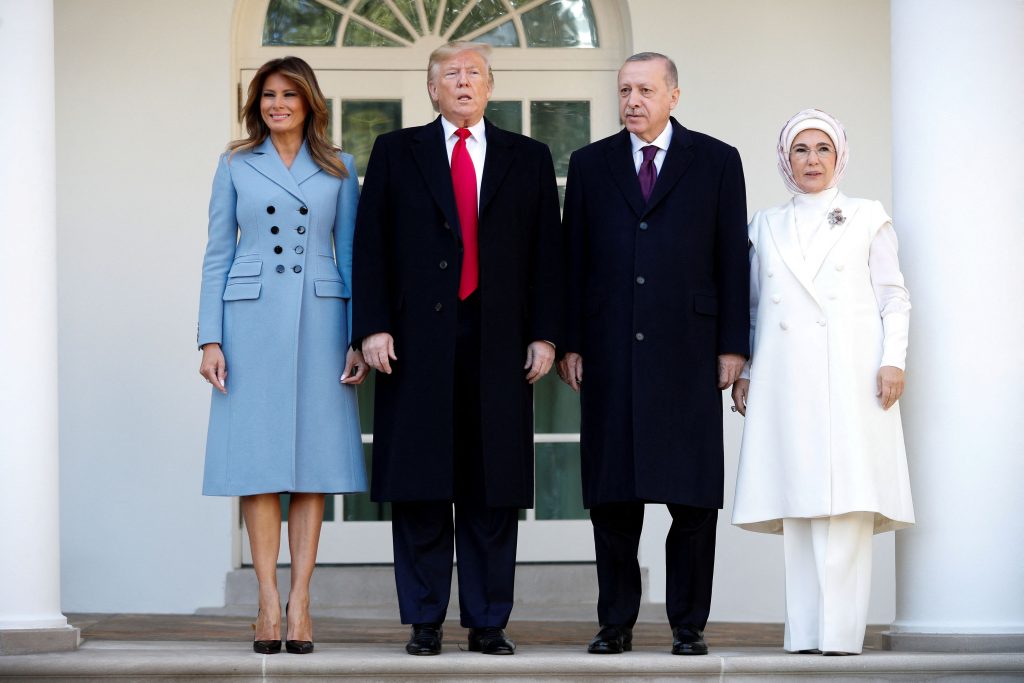
FILE PHOTO: U.S. President Donald Trump and first lady Melania Trump stand with Turkey’s Pressident Tayyip Erdogan and Emine Erdogan at the White House in Washington, U.S., November 13, 2019. REUTERS/Tom Brenner/File Photo
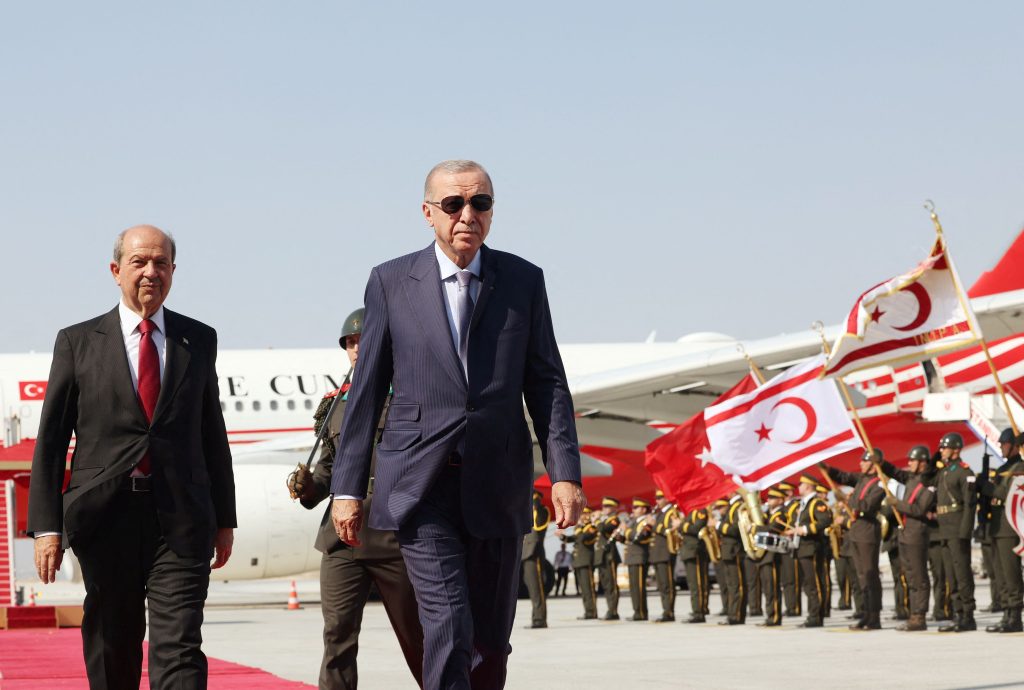
Beyond its immediate neighborhood, Ankara has expanded its military footprint, with bases in Qatar and Somalia and plans for others in Chad and potentially Niger. It maintains a presence in northern Cyprus, Syria, and Iraq, while backing Azerbaijan in the Caucasus.
Critics argue Turkey’s regional assertiveness defies the post-Lausanne order, yet it also underscores Ankara’s ambitions to influence global affairs. Even domestic issues, such as the Kurdish question, are played out simultaneously at home and abroad.
As Erdoğan enters his third decade in power, the key question is not whether Turkey is isolated but who will inherit this expansive, complex legacy in the post-Erdoğan era.