
 Μake us preferred on Google
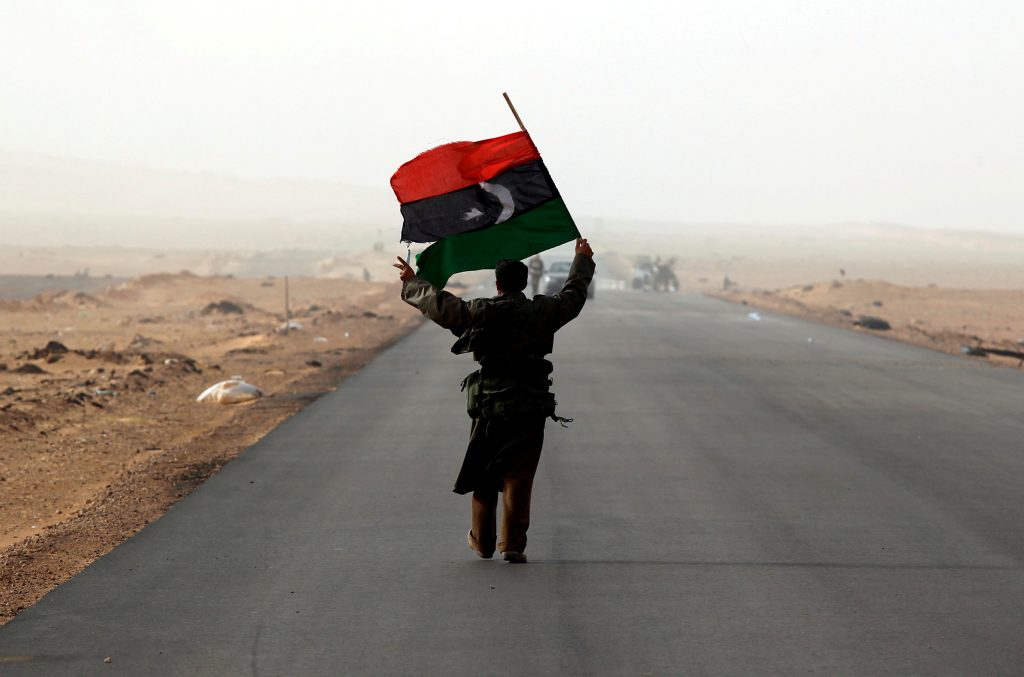
 EU Commissioner for Home Affairs and Migration, Magnus Brunner, recently told Politico that Brussels must collaborate with Libyan authorities to prevent Russian President Vladimir Putin from using migration as a geopolitical weapon. Brunner cited Russia’s growing influence in Libya—especially through military airbases in eastern and southern regions—as a primary concern for the EU.
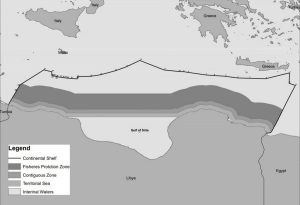
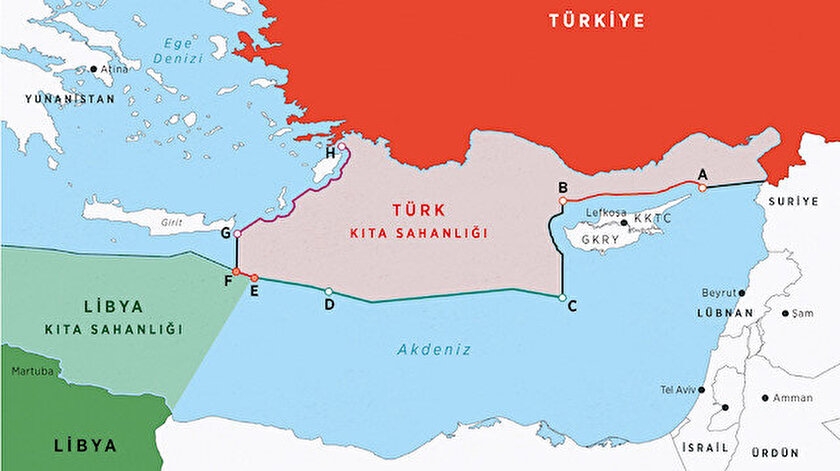
Despite persistent inquiries from, the European Commission has refused to respond to questions about Turkey’s potential role in facilitating migration flows from Libya. To Vima asked the Commission to clarify whether it views Turkey as a factor, and how it reconciles Turkey’s involvement in the controversial Turkey-Libya maritime memorandum with its participation in European defense initiatives. The Commission did not provide any answers.
Diplomatic sources in Brussels were quick to point out the omission, noting that while Russia’s involvement is well-documented, Turkey has also been instrumental in using migration as leverage. One source remarked that “Turkey can no longer do this through Greece and is now using other routes.”
NEWSLETTER TABLE TALK
Never miss a story.
Subscribe now.
The most important news & topics every week in your inbox.
The situation echoes previous incidents, such as the 2021–2022 crisis at the Poland–Belarus border, where Belarus—a close Russian ally—was accused of orchestrating the movement of thousands of migrants from the Middle East and Africa toward EU borders.
Although the EU has clearly stated that it does not recognize the Turkey-Libya maritime agreement, its reluctance to acknowledge Turkey’s role in migration has raised questions, especially in light of shifting defense alliances. Germany and several Eastern European countries have recently shown a more favorable stance toward Ankara, exemplified by Germany’s sale of 40 Eurofighter jets to Turkey.

This shift has sparked concerns in Greece, where some interpret Germany’s support for Turkey—first with submarine sales under Chancellor Angela Merkel and now with fighter jets under Friedrich Merz—as undermining Greece’s strategic position in the region.