
 Μake us preferred on Google
 A new study published in the medical journal The Lancet signals a troubling shift in global public health funding, warning that international health aid may fall to its lowest level in 15 years by the end of 2025. The findings suggest the beginning of a prolonged period of austerity that could significantly affect health systems in the world’s poorest nations.
“We are entering an age of austerity for global health,” the study’s authors state, highlighting a trend that could reshape the landscape of international development assistance for years to come.
Aid Set to Fall Below $40 Billion in 2025
The research estimates that global health assistance is expected to drop below $40 billion this year—nearly half the amount disbursed in 2021. However, the 2021 funding spike occurred under exceptional circumstances during the peak of the COVID-19 pandemic. Outside of that context, the current decline marks a return to levels last seen in 2009.
A key driver of this downward trend is the significant reduction in U.S. foreign development aid, following decisions made during the presidency of Donald Trump. Yet, the issue is not confined to the United States. Other major donor countries, including Germany, France, and the United Kingdom, have also reduced their contributions.
Consequences for Low-Income Nations
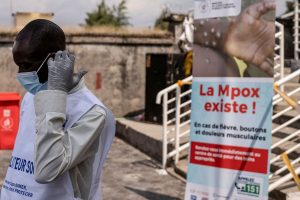
The study warns that the impact on public health could be severe, particularly in countries where health systems rely heavily on international aid. Nations such as Somalia, the Democratic Republic of the Congo, and Malawi are especially vulnerable, as their healthcare infrastructure is largely funded through development assistance.
This potential funding gap has prompted researchers to urge both an increase in aid and a strategic shift. Beneficiary countries, the study suggests, must begin to identify alternative sources of funding—particularly domestic resources—to ensure continuity in healthcare delivery.
Uncertain Future
Whether these efforts will be enough remains unclear. “It is uncertain whether the gap can be filled, whether some donors can contribute more, and whether health systems can do more with less,” the authors note, underlining the fragile and uncertain outlook for global health.