The question of Palestinian statehood returned to the centre of international diplomacy this week as a string of recognitions and a high-level UN meeting put renewed focus on the two-state solution and the future of the West Bank.
Britain, Canada, Australia and Portugal formally announced recognition of a Palestinian state on Sunday. Their moves were followed by further actions and pledges from European capitals: France confirmed plans to recognise Palestine during a speech in New York, and Belgium said it would make a political recognition at the United Nations and later complete legal formalities. Luxembourg, Andorra, San Marino, Malta and New Zealand were also listed among countries expected to act in support of recognition at the conference coordinated by France and Saudi Arabia.
Today, to revive the hope of peace for the Palestinians and Israelis, and a two state solution, the United Kingdom formally recognises the State of Palestine. pic.twitter.com/yrg6Lywc1s
— Keir Starmer (@Keir_Starmer) September 21, 2025
UN resolution sets new framework
The two-state solution is widely seen as the most realistic framework for achieving Palestinian independence. Under this framework, an independent Palestinian state would be created alongside the existing state of Israel – giving both peoples their own territory.
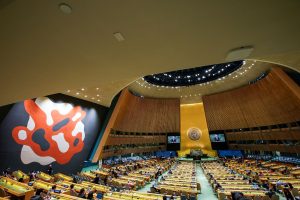
In early September, the UN General Assembly overwhelmingly adopted – 142 votes in favor – a declaration setting out “tangible, time-bound and irreversible steps” towards a two-state solution.
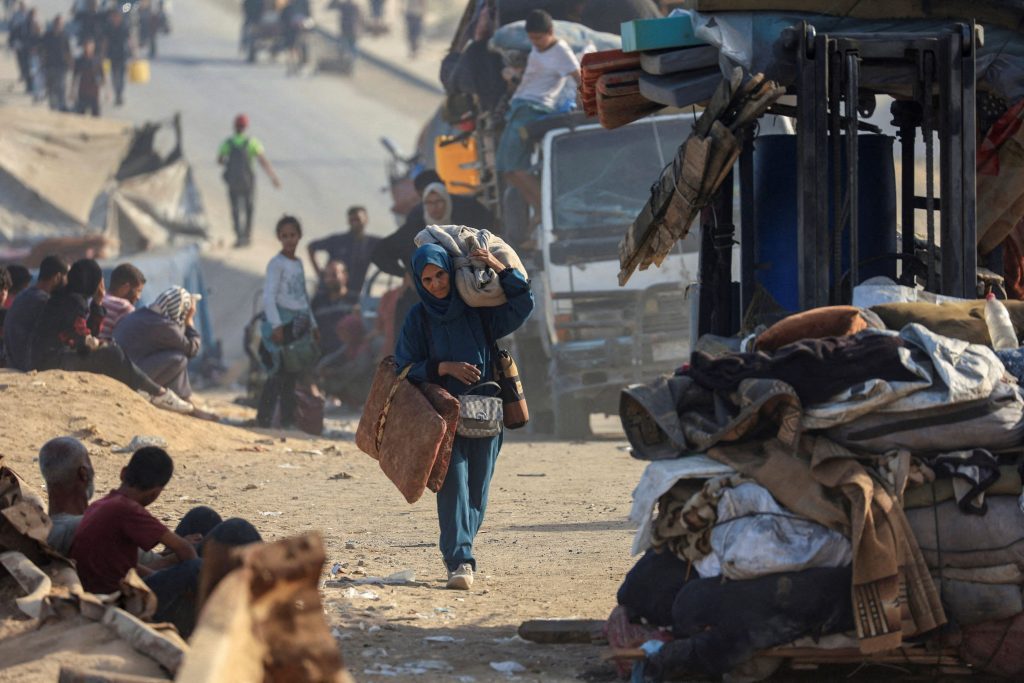
A displaced Palestinian woman, fleeing northern Gaza due to an Israeli military operation, walks with he belongings as she moves southward after Israeli forces ordered residents of Gaza City to evacuate to the south, in the central Gaza Strip, September 22, 2025. REUTERS/Dawoud Abu Alkas TPX IMAGES OF THE DAY
The declaration condemns both Hamas’s attacks on October 7 and Israel’s retaliation against civilians and infrastructure in Gaza. Israel and the United States were among the 10 member states that voted against the resolution. That declaration condemned both the October 7 attacks by Hamas and the subsequent Israeli military actions in Gaza, and set out immediate priorities including a ceasefire, the release of hostages, and unimpeded humanitarian access to Gaza.
Middle East leaders to meet with Trump on Gaza
The Arab League said in July that Hamas should play no further role in governance, with power handed over to a “reborn” PA that would govern Gaza, the West Bank and East Jerusalem.
The meeting with Trump, scheduled to follow the US president’s address to the UN General Assembly, is the most direct contact between the White House and Arab states on post-Gaza ceasefire plans since he was elected president for a second term.
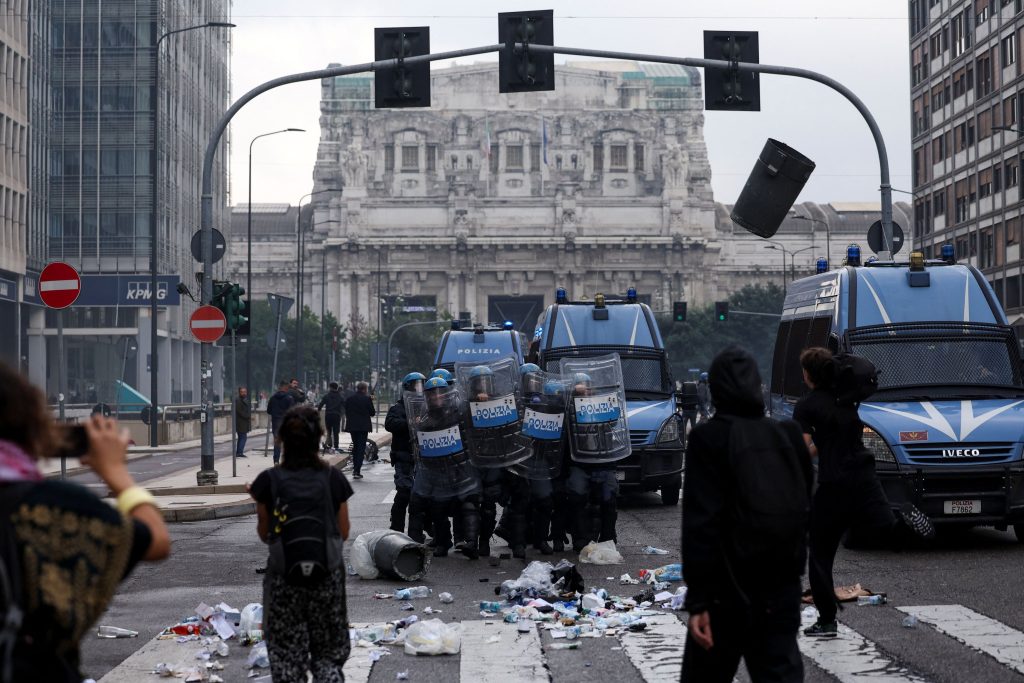
Police officers in riot gear gather outside Milano Centrale railway station, during clashes with protesters at a demonstration that is part of a nationwide “Let’s Block Everything” protest in solidarity with Gaza, with activists also calling for a halt to arms shipments to Israel, in Milan, Italy September 22, 2025. REUTERS/Claudia Greco
He is expected to meet with the leaders of Turkey, the United Arab Emirates, Egypt, Qatar and Saudi Arabia. For now, however, the US president does not appear to share the Gulf states’ view that the Palestinian Authority is a viable alternative to Hamas or that it should be considered a partner. Instead, he has imposed sanctions on Palestinian Authority officials and has banned Mahmoud Abbas, its 89-year-old leader, from coming to New York to address the UN.
France and Belgium lead the European push
France framed its move as a step to revive momentum toward negotiation. French officials said recognition would be implemented gradually and linked to on-the-ground developments — particularly the achievement of a ceasefire and the release of hostages.
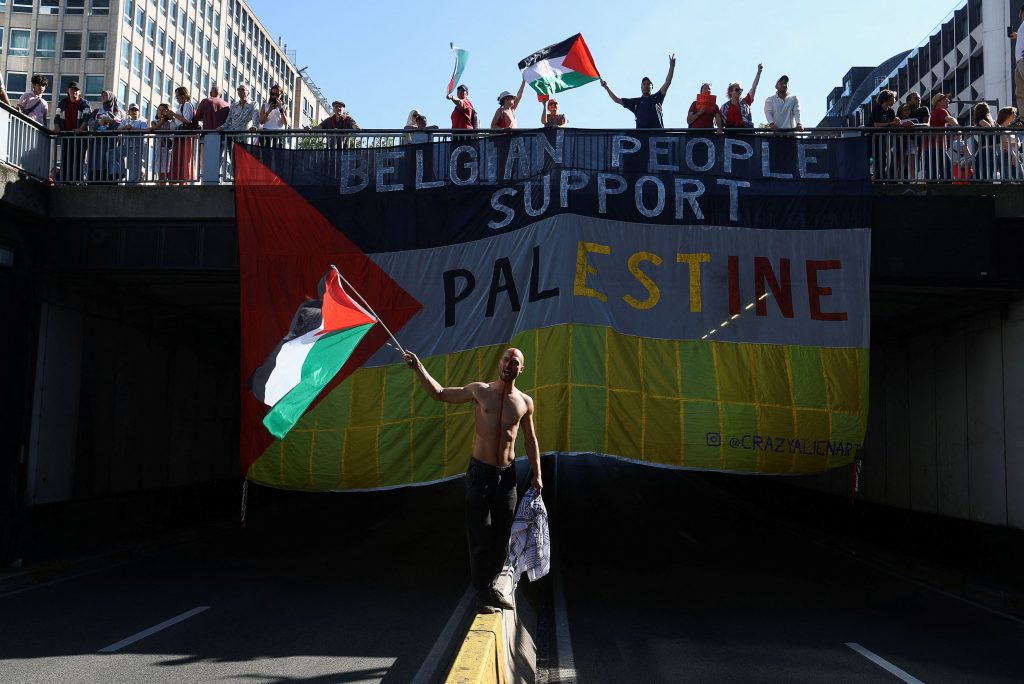
Protesters wave Palestinian flags, as they take part in the “Red Line for Gaza” demonstration, protesting against conditions in Gaza and demanding that the Belgian government imposes sanctions against Israel, in Brussels, Belgium, September 7, 2025. REUTERS/Yves Herman
Supporters in France’s political establishment described the recognition as a diplomatic push to preserve the possibility of a two-state outcome and to counter what they see as moves toward a larger Israel that would preclude Palestinian sovereignty.
Belgium, meanwhile, described its recognition as a two-stage process — political recognition first, followed later by legal formalisation through royal decree.
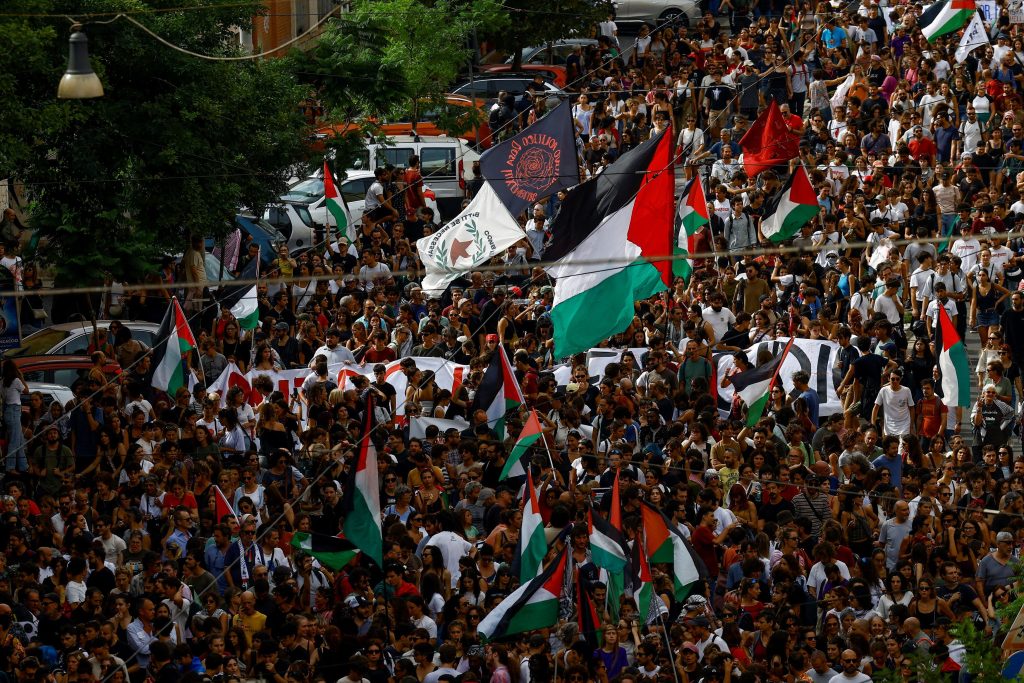
Demonstrators take part in a nationwide strike called by the USB union, with the slogan “Let’s Block Everything,” in solidarity with Gaza and calling for a halt to arms shipments to Israel, in Rome, Italy, September 22, 2025. REUTERS/Francesco Fotia
Israel rejects initiative, allies urge caution
Yet the recognitions have provoked strong responses from Israel and raised concerns among some Western partners. Israeli leaders have rejected the initiative, with Prime Minister Benjamin Netanyahu and much of Israel’s political class opposing recognition as rewarding armed groups and undermining security.
European governments reacted with caution. Germany reiterated that recognition should follow a negotiated settlement, though it stressed the process must begin now. The German foreign minister warned Israel against unilateral annexation of West Bank territory, while Britain’s foreign secretary urged Israel not to respond to diplomatic moves with annexation.
The unresolved question of borders
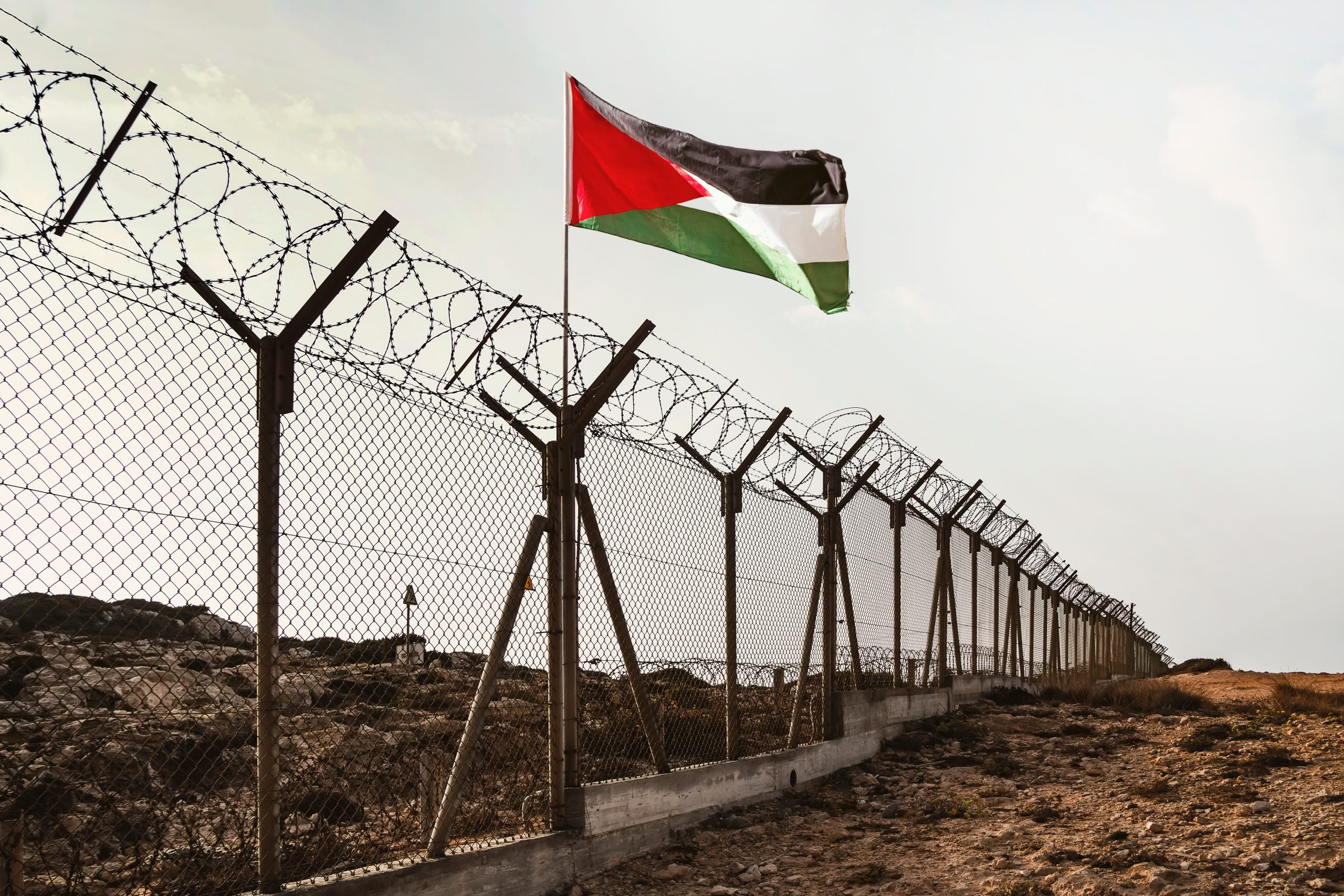
The territorial questions at the heart of any Palestinian state remain unresolved. Palestinians seek a state in the West Bank, including East Jerusalem, and Gaza — lands that have been under Israeli occupation since 1967.
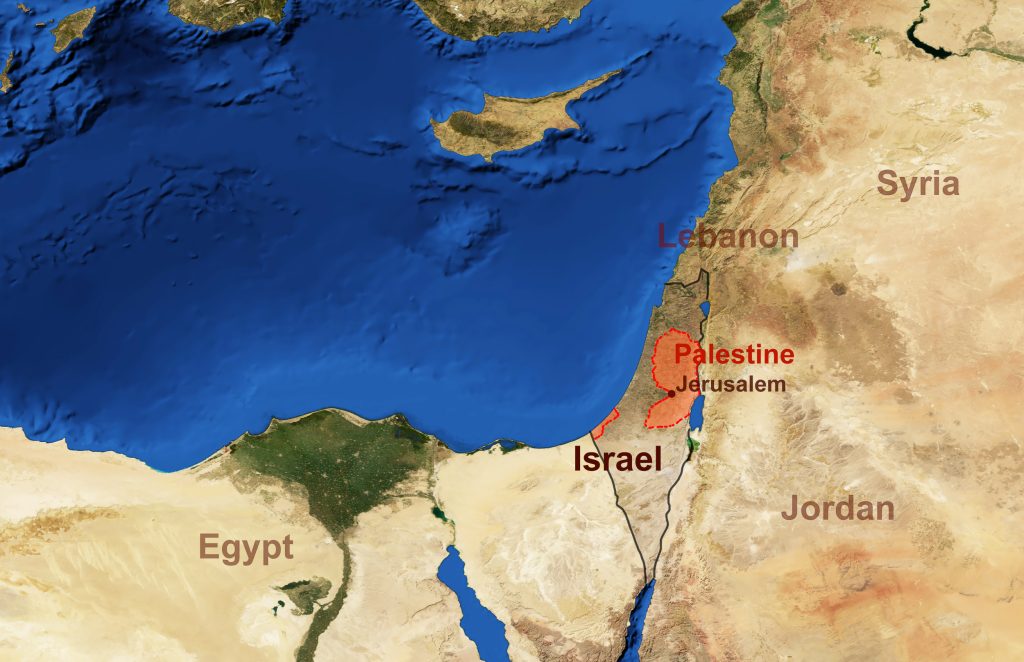
One of the most intractable disputes is the drawing of borders; since 1967 the number of Israeli settlers in the West Bank and East Jerusalem has grown substantially, complicating any return to pre-1967 lines.
Symbolism versus reality on the ground
The diplomatic recognitions were described by some leaders and activists as a symbolic victory for Palestinian aspirations and for the principle of two states living side by side. At the same time, critics said the gestures were primarily political and would not by themselves change the status of Palestine at the UN or bring an immediate end to hostilities in Gaza.
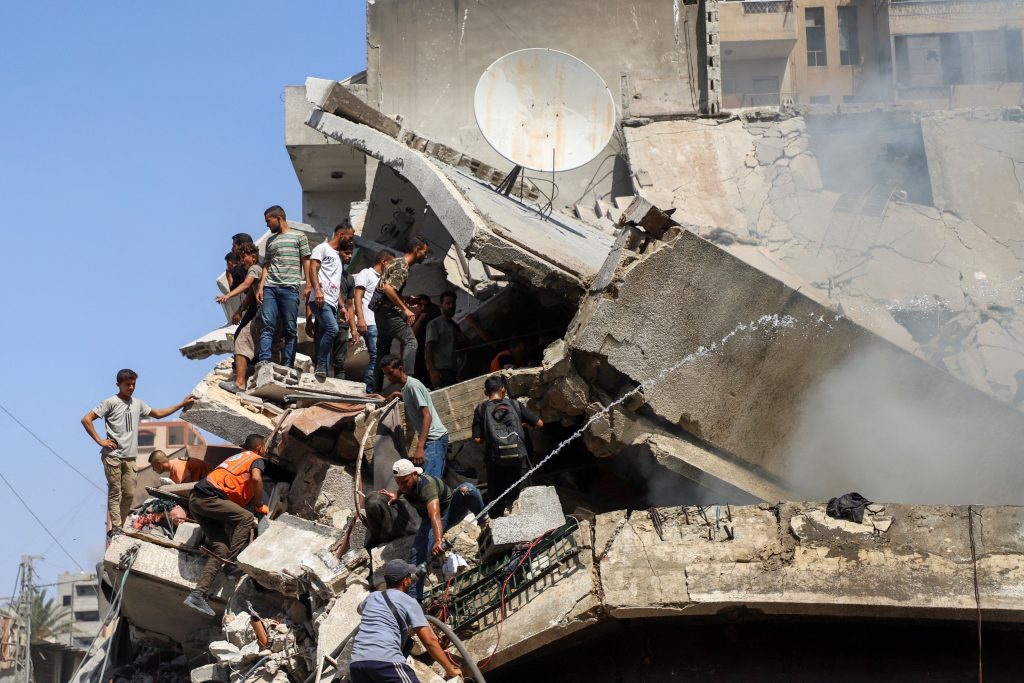
Palestinians search for victims at a residential building hit in an Israeli strike, amid an Israeli military operation, in Gaza City September 22, 2025. REUTERS/Ebrahim Hajjaj
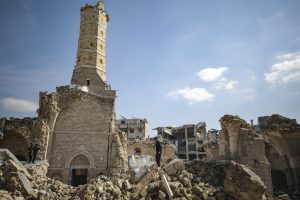
Outside the UN halls, the situation on the ground remained acute. The Israeli military campaign in Gaza continued, with local health authorities and officials reporting further civilian casualties and mass displacement. International actors including China called for a comprehensive ceasefire and insisted that a two-state framework must be the basis for governance and post-conflict arrangements.
Street-level reactions across Europe
The recognitions also sparked demonstrations and political action in several countries. In the United Kingdom, the raising of the Palestinian flag outside a new diplomatic mission marked the start of embassy-level representation after London’s recognition.
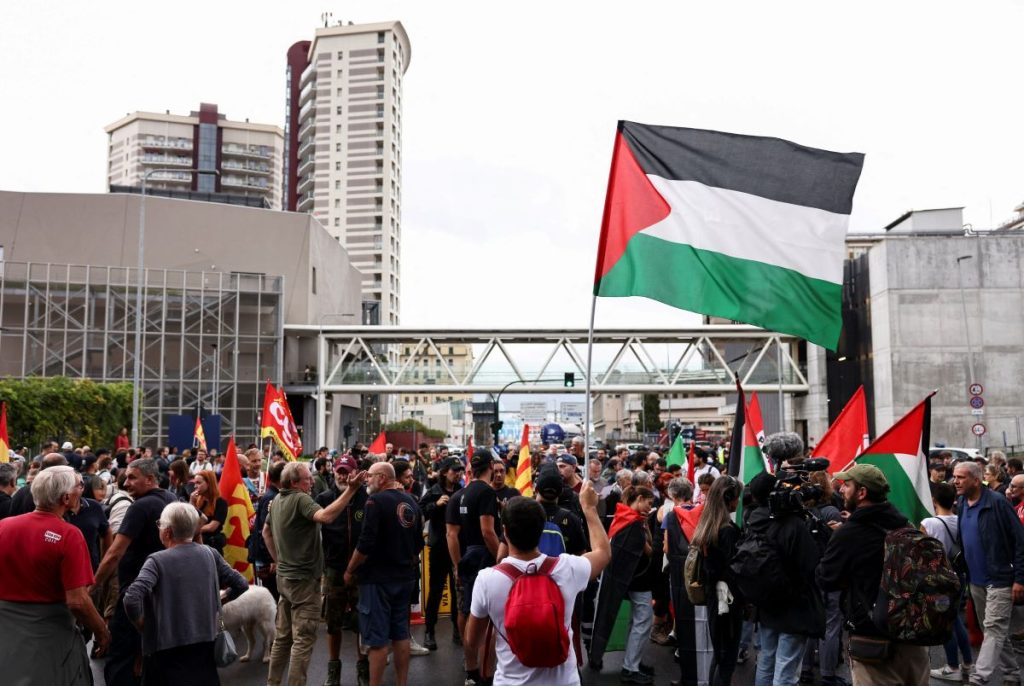
In Italy, port workers staged strikes in solidarity with Gaza, briefly disrupting operations at major harbours; trade unions said their actions aimed to stop the flow of military supplies routed through Italian ports.
France and Saudi Arabia push for roadmap
France’s diplomatic initiative — co-hosted with Saudi Arabia on the sidelines of the UN General Assembly — aimed to translate the renewed political momentum into a practical roadmap. French officials and allied voices described the “New York Declaration” as the start of a process that should begin with immediate humanitarian and security steps and move toward negotiations for a negotiated settlement.
Historic appearance of Syria’s president at the UN
The presence of Syria’s president at the UN General Assembly was described as historic for two reasons. It marked the first time since 1967 that a Syrian head of state addressed the body in New York, breaking a decades-long absence.
It was also striking because the current transitional president, Ahmed Hussein al-Sharaa — formerly known by the nom de guerre Abu Mohammad al-Julani — was until recently as leader of the jihadist group Hay’at Tahrir al-Sham. Less than a year later, he now speaks in a very different role, representing Damascus on the world stage.
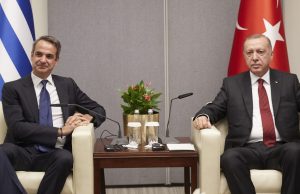
Al-Sharaa is expected to deliver his first address to the General Assembly as it opens its 80th session. Beyond symbolism, his visit is seen as an attempt to push for further easing of sanctions on Syria, which has been devastated by nearly 15 years of civil war. On September 24, he is also scheduled to meet with Greek Prime Minister Kyriakos Mitsotakis.
A fragile opening for a two-state solution
Still, major obstacles remain. Israel and Hamas rejected key elements of the new diplomatic push, and several Western states emphasised that formal recognition should follow concrete negotiations. For Germany and other cautious partners, recognition without a parallel political track risks hardening positions rather than creating conditions for safe, negotiated coexistence.
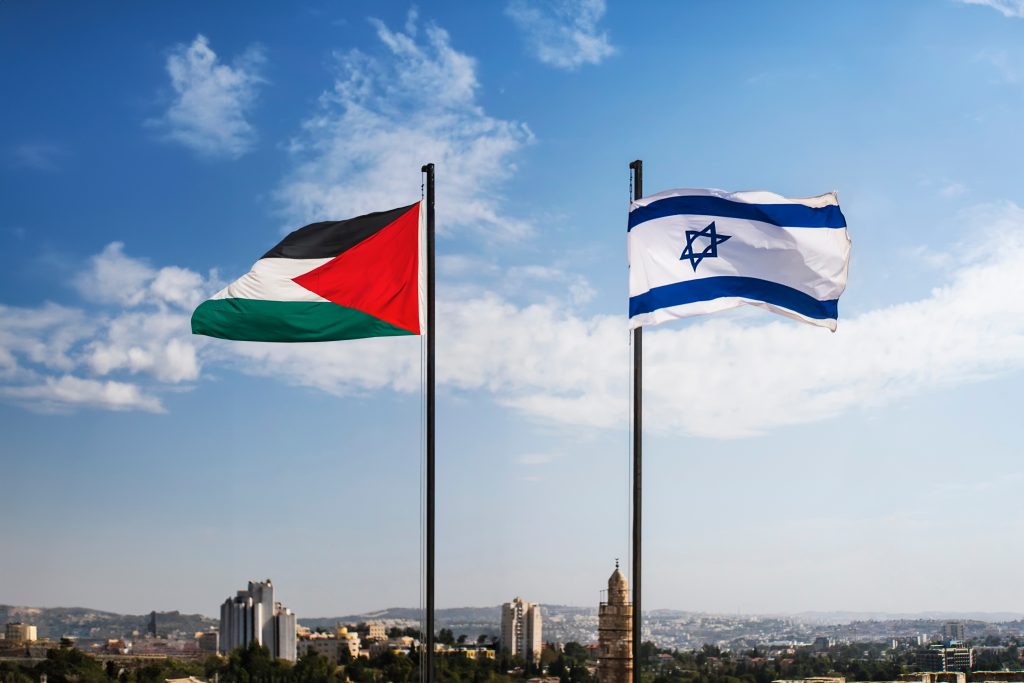
As delegations left New York, diplomats and analysts warned that the coming weeks would be decisive. Recognition carries symbolic weight and may alter diplomatic alignments, but whether it will open a realistic pathway to a negotiated two-state settlement — or instead harden rival positions and trigger retaliatory measures such as annexation in the West Bank — depends on whether the new momentum is matched by concrete, enforceable steps on the ground: a ceasefire, humanitarian access, hostage releases and a credible negotiation framework.