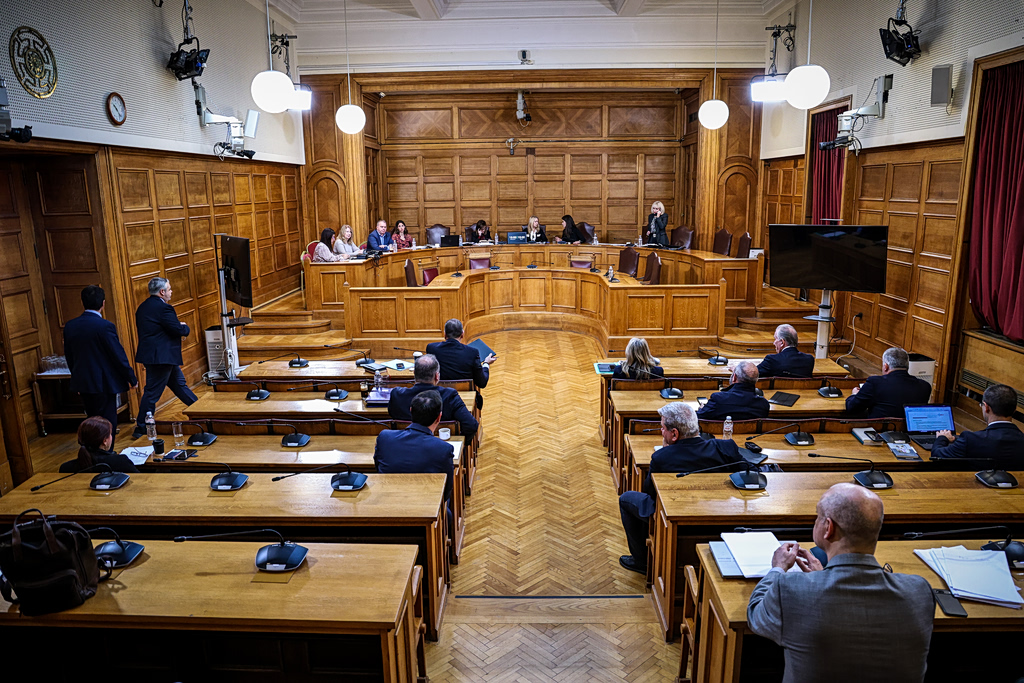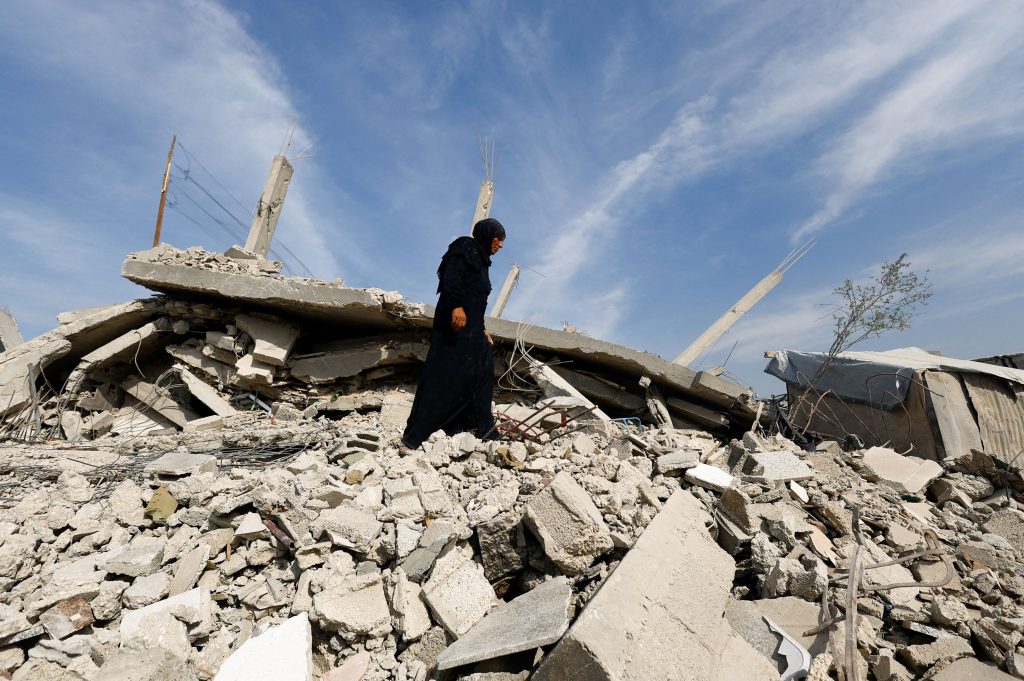

Greece and four other European countries on the UN Security Council have welcomed recent progress toward peace in Gaza, calling for continued efforts to end violence, secure hostage releases, and advance a long-term resolution to the Israeli-Palestinian conflict.
In a joint statement, Greece, France, Denmark, Slovenia, and the United Kingdom—referred to as the E5—highlighted achievements over the past months in reducing bloodshed and advancing a ceasefire. They also praised the mediation efforts of the United States, Egypt, Qatar, and Turkey, noting the presentation of a “20-Point Plan” for Gaza’s future. The E5 called on all parties to fully implement UN Security Council Resolution 2803 in line with international law and humanitarian standards.
Key priorities identified by the E5 include respecting the ceasefire, ensuring rapid and unhindered humanitarian aid, and returning the remains of the last deceased hostage, Ran Gvili. They also urged Hamas to disarm and renounce violence under the 20-Point Plan.
The statement reaffirmed support for a two-state solution, emphasizing the reunification of Gaza with the West Bank, including East Jerusalem, under Palestinian Authority control. The E5 stressed the need for a clear timeline to achieve a comprehensive peace agreement between Israel and Palestine.
While attention is focused on Gaza, the countries warned against overlooking ongoing issues in the West Bank and East Jerusalem. They condemned an unprecedented rise in settler violence against Palestinians, describing 2025 as the most violent year on record. The E5 also criticized Israeli settlement policies, including land registrations, housing expansions, and other measures they said risk destabilizing the region and undermining a two-state solution.
The E5 expressed shock over Israeli authorities’ entry into UNRWA facilities in East Jerusalem without prior permission, reiterating that UN installations are inviolable under international law. They welcomed the International Court of Justice’s October 2025 opinion and urged Israel to comply with its obligations.
Economically, the statement called for the release of Palestinian tax revenues withheld by Israel, arguing that restrictions threaten the Palestinian Authority’s ability to provide services and maintain stability in Gaza. The E5 also urged an end to restrictions on movement, forced evictions, and military operations in the West Bank.
Concluding their statement, the five countries emphasized that the region is at a historic crossroads, with a unique opportunity to secure a better future and long-term peace for Israelis, Palestinians, and the wider region. They reaffirmed their commitment to a fair and comprehensive resolution of the Palestinian issue based on a two-state solution.