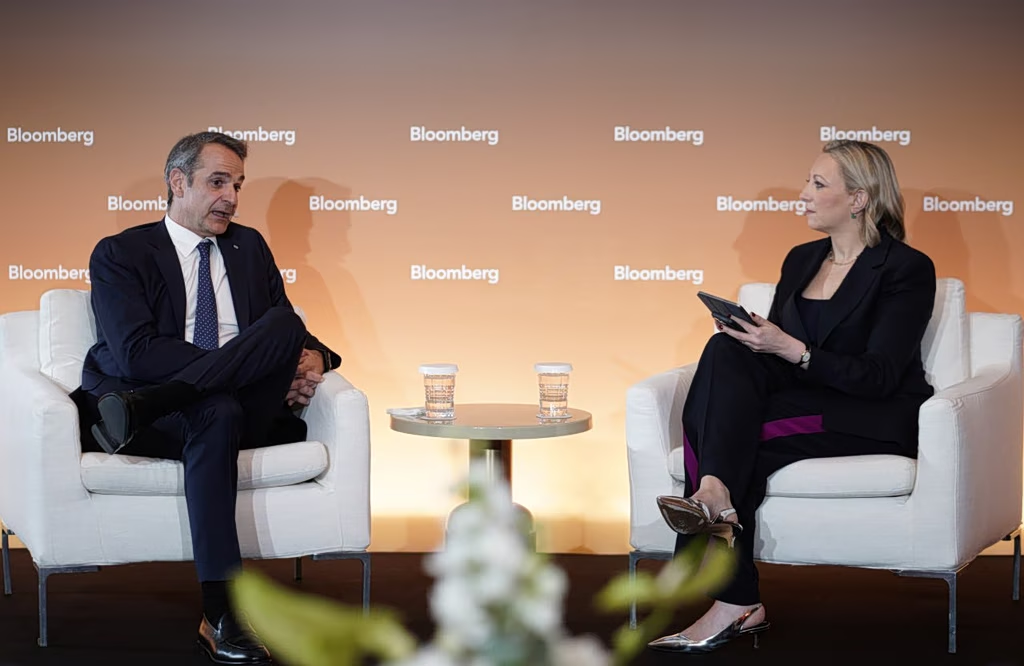
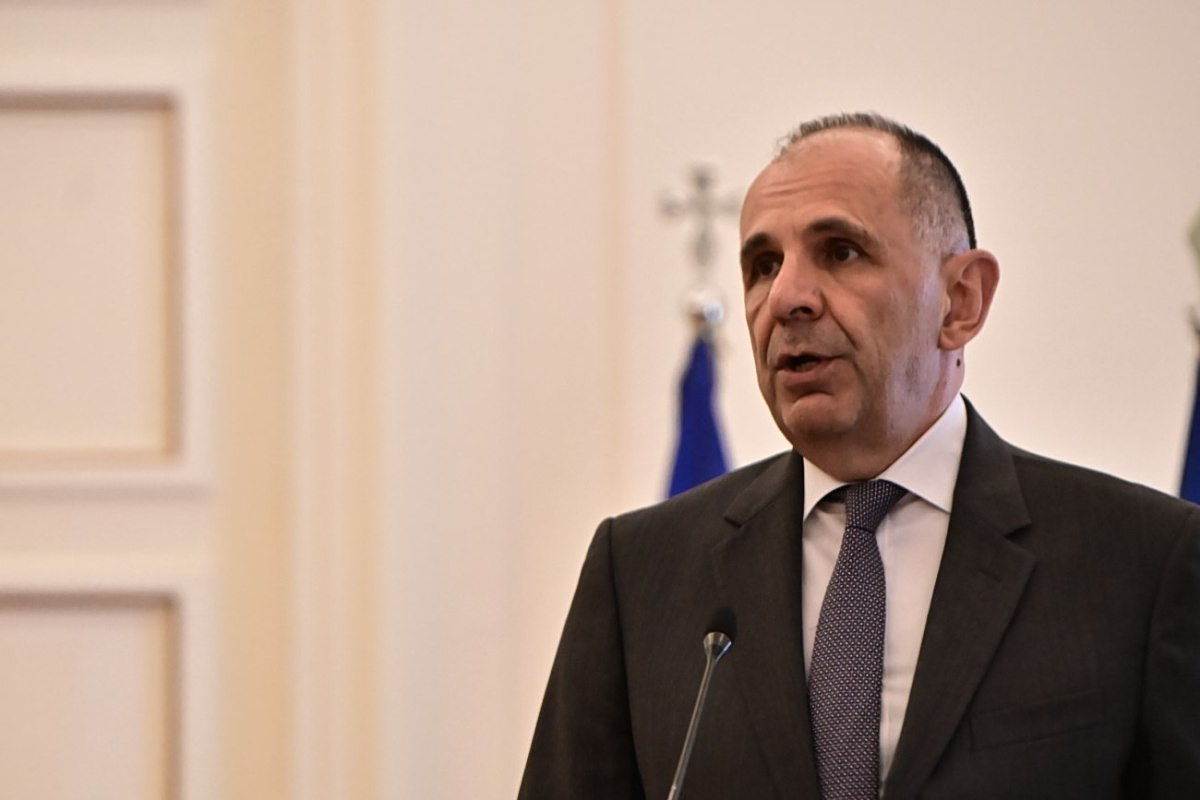
Greek Foreign Minister George Gerapetritis called for de-escalation and a diplomatic solution to the conflict in the Middle East during joint statements with his German counterpart Johann Wadephul in Berlin on Tuesday.
Speaking next to his German host and colleague during a press conference, Gerapetritis reiterated that Greece’s priorities remained ensuring the safety of Greek seafarers and ships blockaded in the Persian Gulf. “We urge all parties involved in the conflict, and especially Iran, to guarantee the freedom of navigation and refrain from violating the law of the sea”.
Both Greece and Germany refused Donald Trump’s demands for their countries’ warships to escort commercial vessels through the Strait of Hormuz, fearing such an action could be seen as military involvement.
“The situation is difficult, because it also burdens us economically,” Johann Wadephul said. “In the current situation, safe passage through the Strait of Hormuz is not feasible, and if the American armed forces are not able to guarantee it militarily, then European forces will probably not be able to do so either.”
He said Europe had formally requested that its partners in the United States and Israel keep it informed of developments in the military conflict. “We need information on when the military objectives will be considered to have been achieved,” he added.
On his part, the Greek Foreign Minister pointed out that Greece and Italy were participating in the joint ASPIDES operation, which was limited to the Red Sea region. He added that no EU member-state favored the expansion of the range of operations, making it clear that diplomacy was the only path. “We believe both the Gulf nations and the EU should prepare to contribute to the start of talks,” he noted.
Germany’s Foreign Minister expressed his country’s complete support for Cyprus, stressing his recent visit to the eastern Mediterranean island-state was intended to send a message of solidarity, including, if needed, military or material assistance. Asked about whether Germany would be willing to exert influence on Turkey for the inclusion of Cyprus in NATO, the German diplomat avoided a direct response, opting instead to focus on the Cyprus issue in more general terms.
The latest developments in Lebanon, with the prospect of a large Israeli military ground invasion has raised serious concern in both Athens and Berlin, with diplomats fearing this could trigger a broader conflagration and the rise of sectarian and religious extremism.