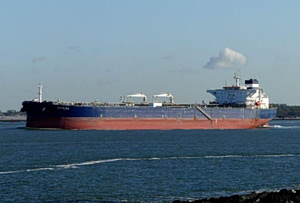
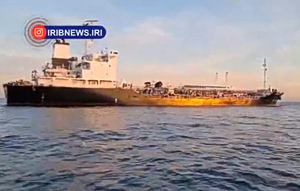
The Strait of Hormuz has been closed to maritime traffic due to escalating military tensions in the Middle East, with passage now limited to ships connected to China or Russia. Greek and other European travelers remain stranded on cruise ships in ports across the Persian Gulf, as onboard conditions grow increasingly tense.
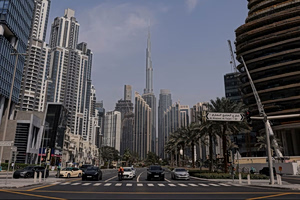
Two cruise ships owned by Greek-affiliated Celestyal Cruises—the Celestyal Journey and Celestyal Discovery—are currently docked in Doha, Qatar, and Dubai, UAE. The company told Euronews that Greek passengers are on board and emphasized that all are safe.
Meanwhile, on the TUI Cruises ship Mein Schiff 4, docked in Abu Dhabi, a missile reportedly fell into the water near the vessel on Sunday afternoon, according to eyewitnesses. Black smoke clouds were seen rising above the sea, the German newspaper Bild reported.
Tensions on the ship remain high. It is not yet clear whether any of the approximately 2,500 passengers and 1,000 crew members were injured. About 2,000 passengers were scheduled to depart from Dubai that day to return to Germany.
In total, six cruise ships are currently anchored at Port Rashid in Dubai, Abu Dhabi, and Doha. Other affected vessels include MSC Euribia of MSC Cruises and Aroya of the Saudi company Aroya Cruises. In addition to Mein Schiff 4, Mein Schiff 5, docked in Doha, has also been impacted.
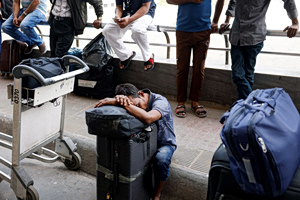
Passengers on Mein Schiff 5 had planned to complete their journey on Saturday and return to Germany via flights from Doha. Some had already boarded planes when air traffic was forced to turn back.
According to passengers, they spent roughly ten hours at the airport before returning to the ship in the evening, leaving their luggage behind.
Extensive security measures have been implemented on board: access to exterior decks is prohibited, all individuals must remain inside the ship, and passengers are advised to stay away from windows whenever possible.
Intermittently, missile warnings issued by Qatar’s Civil Defense appear on passengers’ smartphones, adding to the tense atmosphere.