The renovated buildings of the Halki Theological School are expected to be inaugurated in late September, marking a major milestone for the historic Orthodox institution as plans for its reopening as an educational establishment continue.
The Ecumenical Patriarchate in Istanbul, known as the Phanar, is proceeding cautiously with the reopening process, taking into account Turkey’s legislation and constitution. The inauguration of the newly renovated facilities, however, is separate from the school’s formal reopening as an educational institution.
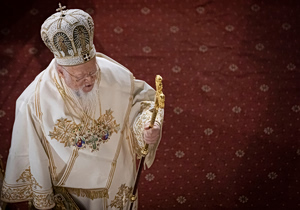
Ecumenical Patriarch Bartholomew is personally overseeing the process. A source familiar with the matter described his close communication with Turkish President Recep Tayyip Erdogan as a key factor in the discussions and said it has not been fundamentally affected by current geopolitical tensions.
Bartholomew has emphasized to Turkish authorities and international interlocutors that the reopening of Halki concerns Orthodox Christians worldwide and should not be viewed through other political interpretations.
The issue has also drawn international attention. Both the United States and the European Union are closely monitoring developments, with the EU having repeatedly criticized Turkey over religious freedom issues affecting non-Muslim minorities.
Reopening as a postgraduate institution
The immediate reopening of Halki as a conventional higher-education institution remains a difficult undertaking because Turkey’s higher education system has undergone significant institutional changes since the school suspended operations in 1971.
The prevailing scenario now calls for the school to reopen in some form as a postgraduate department, according to sources cited by the Greek newspaper Ta Nea.
Under this model, the Phanar would avoid the need to place the school under a Turkish university, as would be required for it to operate as a university faculty. Instead, it would seek a partnership, while operating as a postgraduate theological institution would involve fewer levels of administrative bureaucracy.
The model could also provide greater flexibility in teaching, particularly through the use of the internet and the digitization of archival material.
Erdogan signals continued political will
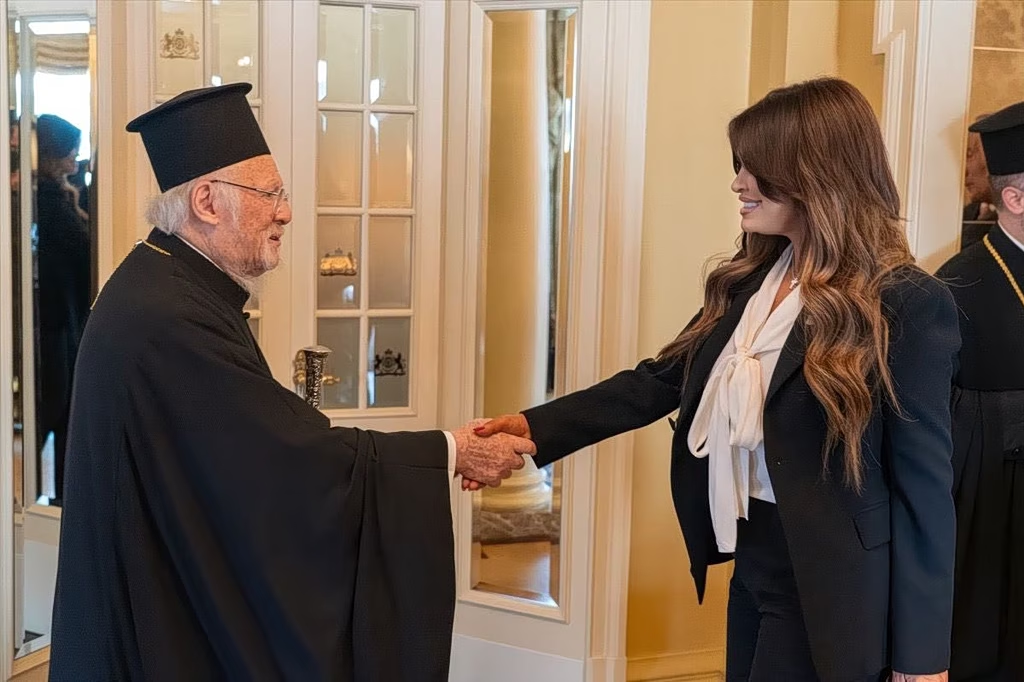
The issue was discussed during a meeting between Bartholomew and Erdogan in Ankara in June. According to the report, the Turkish president indicated that he continued to have the political will to find a solution for reopening the school, which has remained closed since 1971.
The composition of that meeting was also seen as significant. Turkey’s Education Minister Yusuf Tekin was not present. Instead, Erol Ozvar, president of Turkey’s Council of Higher Education, attended the meeting as the official directly responsible for higher education matters.
Positive references from Turkish government officials about the possibility of reopening Halki had also emerged before this year’s NATO summit. The prospect was reportedly viewed as carrying significant symbolic and political weight, with a reopening expected to be welcomed by the Ecumenical Patriarchate, the Orthodox world, Europe, the United States and the wider international community.
Turkish media have also described a reopening as a high-profile move that could enhance Turkey’s standing internationally.