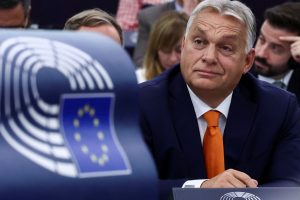
Hungary’s parliamentary election campaign has entered a high-stakes phase, with Prime Minister Viktor Orbán intensifying his anti-Ukraine and anti-EU rhetoric, while opposition leader Péter Magyar promises reforms on corruption, taxes, and closer alignment with Brussels.
Orbán’s Fidesz party, in power for nearly 16 years with an absolute majority, faces a strong challenge from Magyar’s Tisza Party, which leads most opinion polls. Analysts say the vote carries implications far beyond Hungary, touching on European unity, Ukraine’s EU ambitions, and energy policy.
Orbán Targets Ukraine and the EU
At a rally in Szombathely, Orbán labelled Ukraine an “enemy” of Hungary, claiming cooperation would drag Budapest into war and economic turmoil. He also opposed Ukraine’s EU accession, arguing it would destabilize the bloc, and criticized Kyiv for pushing Hungary to reduce Russian energy imports.
Orbán has repeatedly attacked EU Commission President Ursula von der Leyen, portraying her as a puppet for George Soros, while framing his stance as defending Hungarian interests. Political analysts note that Orbán’s strategy includes mobilizing fear of foreign influence, using both Ukraine and the EU as campaign tools.
Trump Endorsement and US Ties
The Hungarian prime minister has leveraged his relationship with former U.S. President Donald Trump, who endorsed Orbán last week and granted Hungary a temporary exemption to continue Russian energy imports. Orbán plans to visit Washington later this month for a “Board of Peace” event, highlighting his international backing and positioning himself as a strong global figure.
Magyar’s Manifesto Focuses on Cost of Living
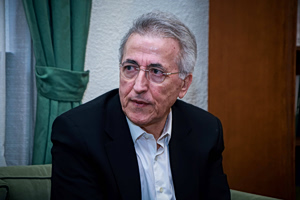
Challenger Péter Magyar released a 240-page manifesto promising tax relief for low earners, wealth taxes for the ultra-rich, and pension increases. He also pledges to unlock billions in EU funding and align Hungary with the European Public Prosecutors’ Office.
While Magyar emphasizes EU cooperation and domestic reforms, his platform maintains caution on energy and Ukraine policy. His party proposes a gradual phase-out of Russian energy by 2035 and opposes a fast-track EU accession for Ukraine, reflecting a balanced approach aimed at appealing to both moderate and nationalist voters.