
 Μake us preferred on Google
 Iran has rejected European attempts to extend or reapply sanctions linked to its nuclear program, arguing that Germany, France and the United Kingdom have no legal authority to do so under the 2015 nuclear agreement.
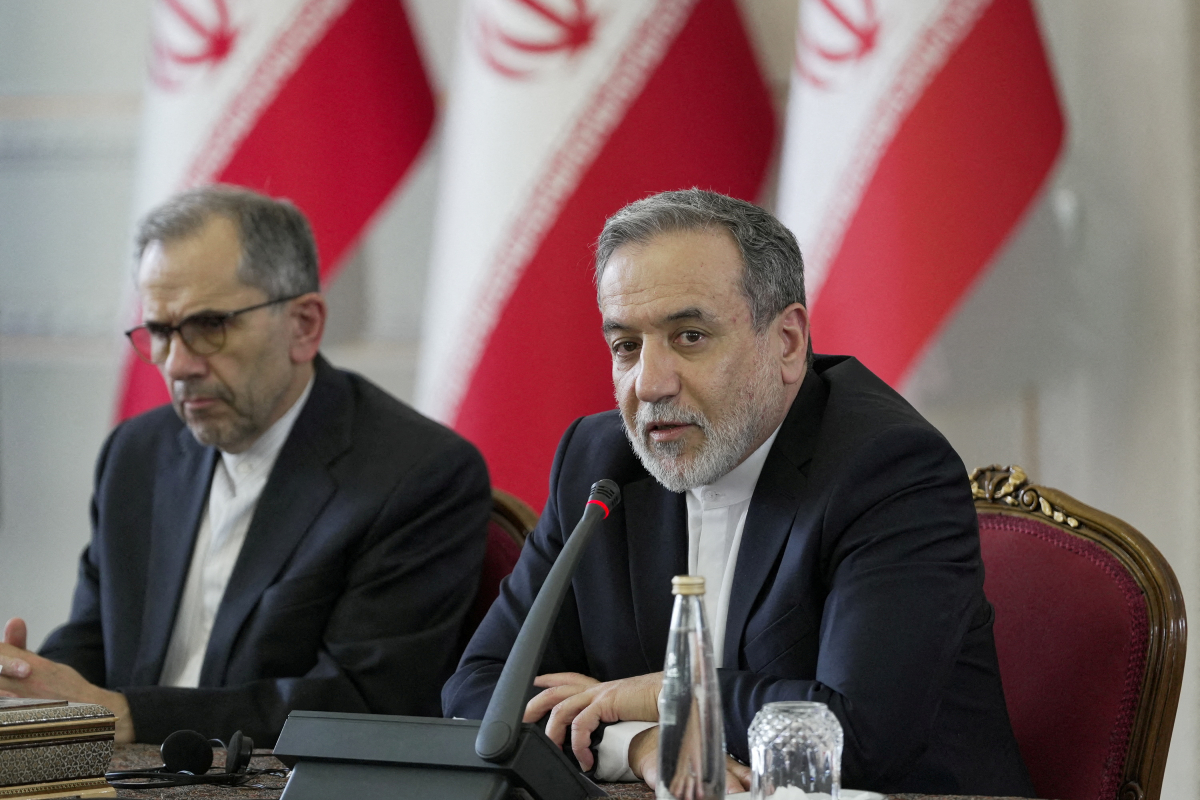
Foreign Minister Abbas Araghchi stated that European powers “do not have the right to implement the snapback mechanism, nor to extend its deadline,” referring to the sanctions reactivation process built into the accord. His comments came after talks in July between Iranian diplomats and envoys from the three European countries, the first such meeting since the 12-day war between Israel and Iran in June.
That conflict derailed ongoing negotiations between Tehran and Washington, leading Iran to suspend cooperation with the International Atomic Energy Agency (IAEA).
In a letter to the United Nations last week, Germany, France and the UK warned they were prepared to trigger the snapback mechanism by the end of August if no solution on Iran’s nuclear program is reached. The three European states are signatories to the 2015 deal alongside China, Russia and the United States.
The agreement, which traded limits on Iran’s nuclear activities for sanctions relief, was unilaterally abandoned by the U.S. in 2018, when Washington reimposed its own sanctions. While European signatories reaffirmed their commitment at the time, they now accuse Tehran of breaching its obligations and fear it is pursuing nuclear capabilities with military potential — a charge Iran denies.
Speaking to Iran’s state news agency IRNA, Araghchi emphasized that negotiations with Europe remain stalled and reiterated that Tehran considers any extension of deadlines illegitimate. He added that while Iran has suspended IAEA inspections, a final decision on whether inspectors may return rests with the country’s highest national security authority.