 Μake us preferred on Google
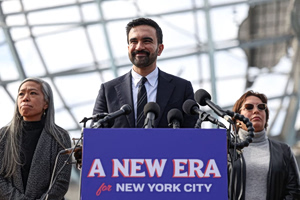
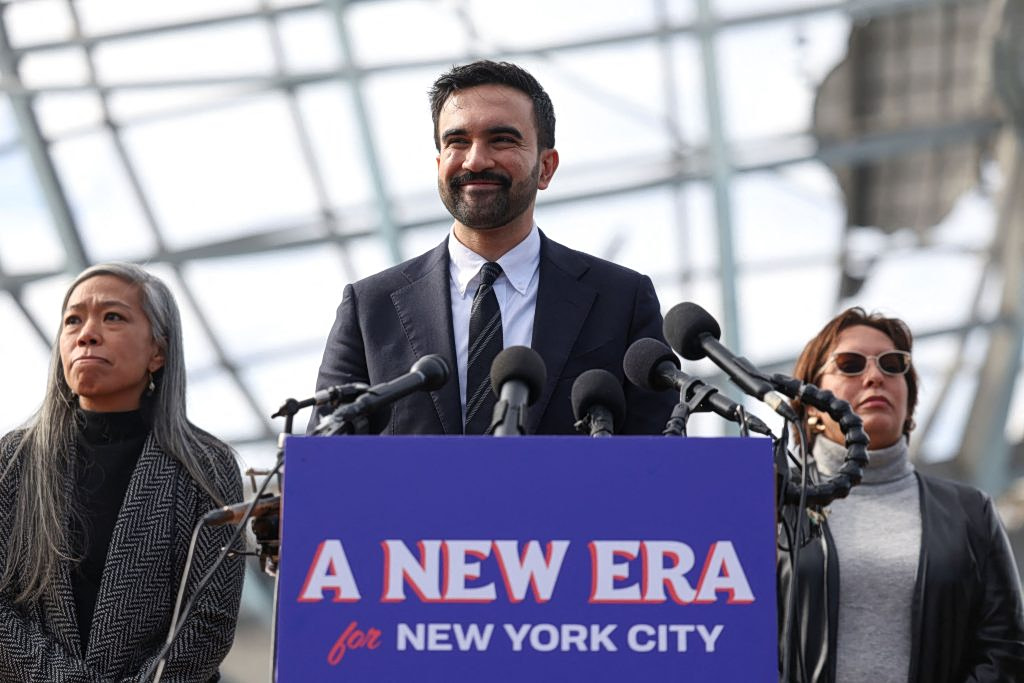
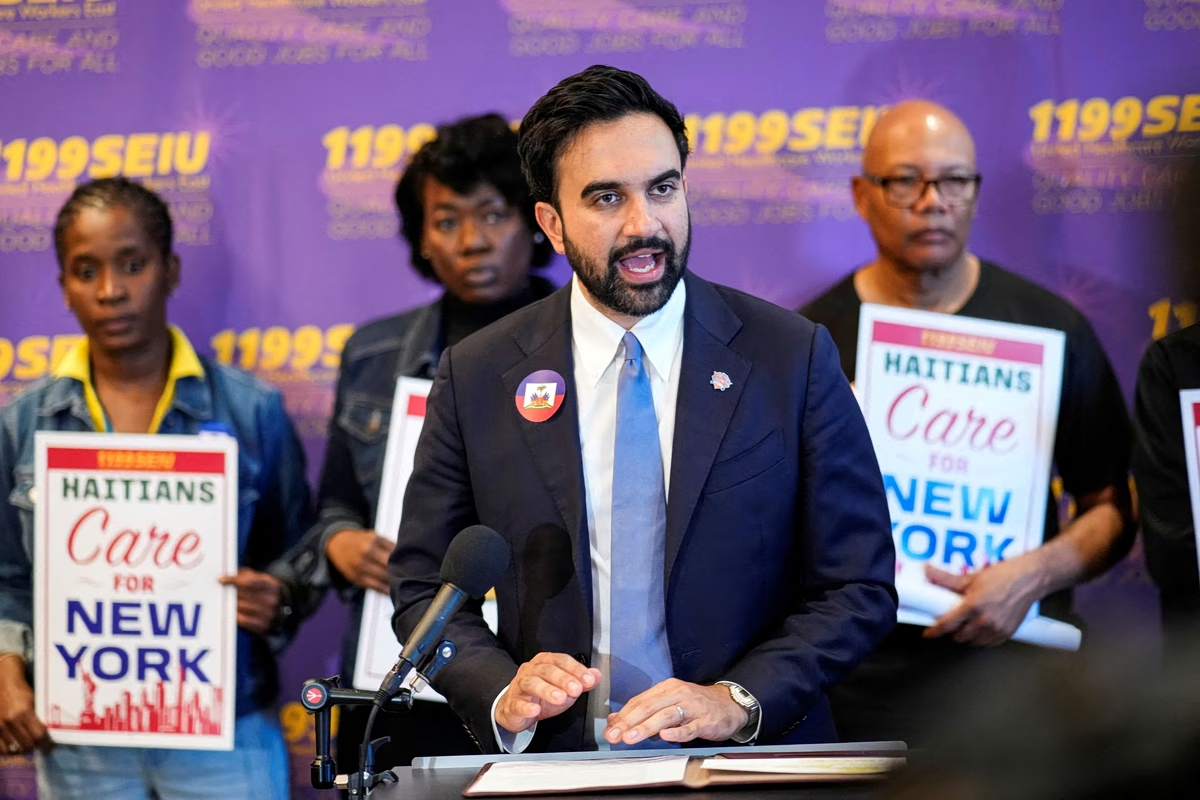
 The Democratic Party establishment in the United States is growing increasingly alarmed as an internal insurgency it cannot contain continues to gain ground, with candidates following the model of Zohran Mamdani notching victories across the country.
The American outlet Axios, in a recent analysis, compares the situation facing the Democrats today to what Republicans experienced when the Tea Party emerged 17 years ago.
What the Primaries Are Showing
The recent wave of primary victories by candidates from the party’s left wing over establishment-backed nominees has sent shockwaves through party leadership.
That anger has been building within the party for a decade, Axios notes.
This is not simply a conflict between progressives and moderates. It is a conflict between insiders and outsiders, with many Democratic voters deeply dissatisfied with their own party.
Some Democrats now believe the party is primed to be taken over in 2028 by a Trump-style figure, someone who can channel that rage and give it a political outlet.
Dan Pfeiffer, a former top adviser to Barack Obama and now co-host of the podcast “Pod Save America,” said this week: “It is absolutely clear that left-wing groups, the Justice Democrats, the Democratic Socialists of America, Our Revolution, are outperforming the traditional party institutions in terms of organizing, fundraising, doing the work, and making strategic moves. This is happening.”
The Roots of the Insurgency
The growing distrust of Democratic voters toward their party leadership, and their turn toward left-wing outsider candidates, has its roots in Donald Trump’s defeat of Hillary Clinton in 2016.
During that year’s primary, members of the Democratic National Committee and the party’s leadership elite helped Clinton win the nomination over Vermont Senator Bernie Sanders, an iconic figure of the progressive wing.
Those involved limited the number of primary debates and struck unusual joint fundraising agreements between the DNC and the Clinton campaign. The internal bias of the DNC against Sanders was later confirmed by the publication of internal emails through WikiLeaks in 2016.
The Democratic establishment then rallied around Joe Biden in 2020 to prevent Sanders from winning the nomination, viewing Biden as more electable. Biden ultimately won the general election by a narrow margin, aided in part by Trump’s chaotic handling of the COVID-19 pandemic.
The Impact of Biden’s 2024 Defeat
In 2024, Democratic leaders embraced the mistaken belief that the 81-year-old Biden was capable of serving a second term, Axios notes. Trump’s victory in the 2024 election effectively radicalized a segment of Democratic voters who had previously viewed Trump’s first term as an aberration.
Many of those voters lost faith in their party’s leadership, laying the groundwork for the insurgency that the left wing has now ignited.
The Role of Mamdani’s Election in New York
Against this backdrop, left-wing candidates, independents, and democratic socialists have been winning elections across the country throughout Trump’s second term.
Democratic Socialists and progressives, building on Mamdani’s election as New York City mayor last year, managed last week to defeat two sitting Democratic members of Congress within the city.
Candidates backed by the Democratic Socialists of America (DSA) won eight state legislative races and lost just one, despite being outspent in several contests. One additional race remains too close to call.
Democratic socialist Janice Lewis George won the Democratic primary for mayor of Washington, D.C., energizing younger voters with her promises to tackle economic hardship and confront Trump.
Marine Corps veteran Graham Platner comfortably defeated Maine Governor Janet Mills to become the Democratic candidate for a U.S. Senate seat, a race that could determine the balance of power in the Senate in November.
In a closely contested California district, Randy Villegas, backed by Bernie Sanders and New York congresswoman Alexandria Ocasio-Cortez, a potential 2028 presidential candidate, defeated the establishment-backed state assemblywoman Jassmyn Bains.
Democratic socialist Chris Rabb, also supported by Ocasio-Cortez, won an open House primary in Pennsylvania, defeating candidates more closely aligned with the Democratic mainstream. Sam Forstag won a congressional primary in Montana, again with backing from Sanders and Ocasio-Cortez, over more moderate opponents. And first-time candidate Adam Hamaoui won a high-turnout House primary in New Jersey this month, also with Sanders and Ocasio-Cortez support.
How the Establishment Is Pushing Back
Several incumbent members of Congress and party-backed candidates have still won their primaries comfortably. New York Rep. Ritchie Torres, for instance, easily beat a left-wing challenger in his Bronx district despite his vocal support for Israel.
House Democratic leader Hakeem Jeffries told reporters this week that a handful of primaries going one way or another in one or two specific states would not change who Democrats are in the House of Representatives.
The Left Is Not a Monolith
Axios notes that not all left-wing members want to create their own Tea Party within the chamber. Greg Casar, chair of the Congressional Progressive Caucus, said he considers his group “very different from the Tea Party and the Freedom Caucus, which in my view were in many respects in open conflict with their own party.”
Democrats are watching several upcoming primaries closely for signs of how deep anti-establishment sentiment runs. These include several Colorado contests, among them the governor’s race and a Denver-area congressional district where a young democratic socialist is challenging a veteran incumbent; the Wisconsin Democratic gubernatorial primary, where a number of state Democrats fear democratic socialist Francesca Hong could win; and the Michigan Senate primary, where progressive Abdul El-Sayed could defeat the establishment-preferred candidate, congresswoman Haley Stevens.