
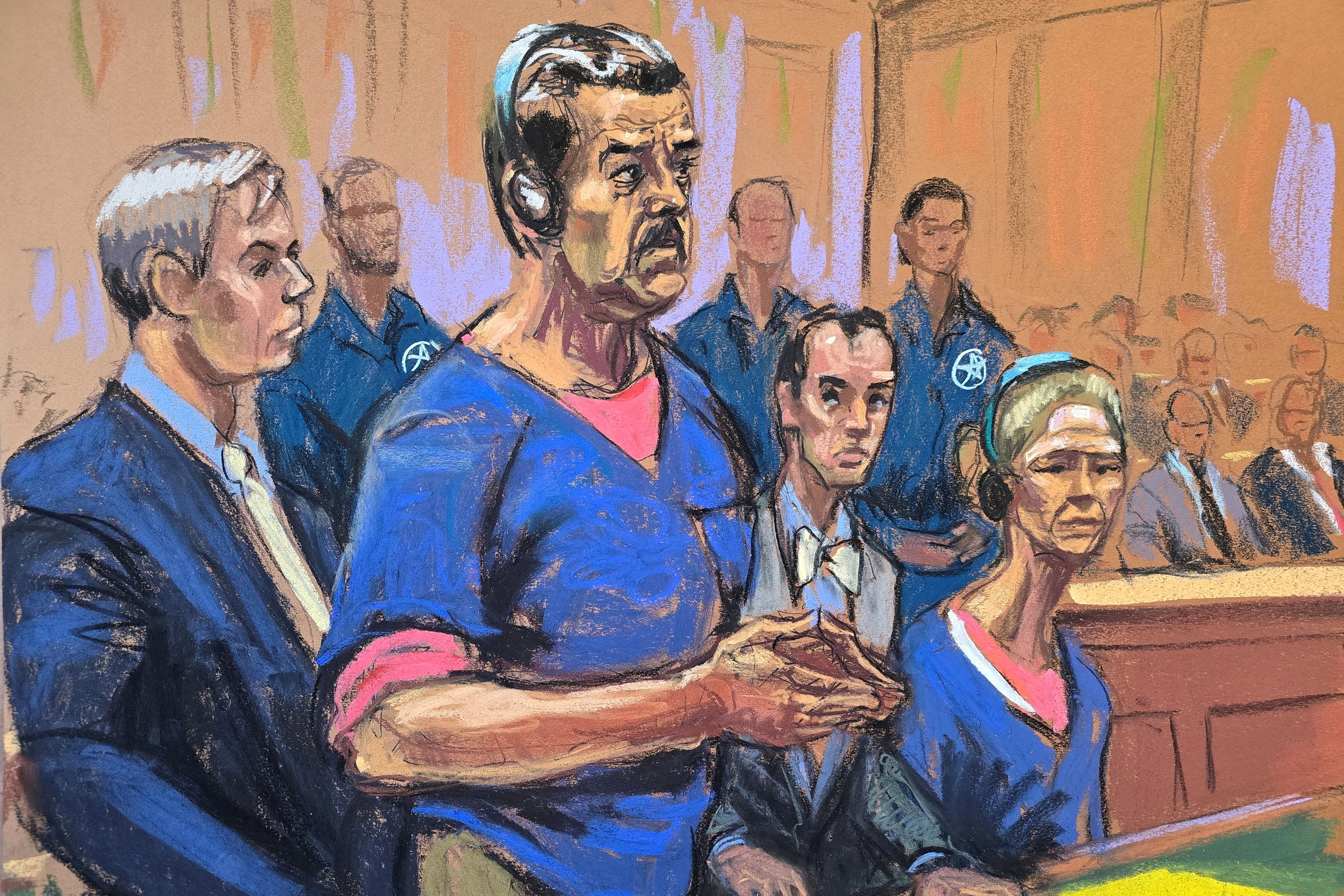
Former Venezuelan President Nicolás Maduro will appear in a U.S. court on Thursday to face criminal charges including narcoterrorism, cocaine importation conspiracy, money laundering, and drug trafficking.
Maduro, 63, who led Venezuela from 2013 until his capture by U.S. forces on January 3, pleaded not guilty to all charges. Legal experts note the statute has a limited trial history: only four convictions have been secured under the law, two of which were later overturned due to issues with witness credibility.
Narcoterrorism statute and trial challenges
The narcoterrorism statute carries a mandatory minimum sentence of 20 years—double the minimum for ordinary drug trafficking—and can result in life imprisonment. To secure a conviction, prosecutors must prove that Maduro knowingly facilitated drug trafficking that financially benefited groups the U.S. classifies as terrorists.
Legal analysts say the main challenge lies in convincing jurors that testimony from cooperating insiders credibly links Maduro to narcoterrorism. “The statute’s most demanding element—proving knowledge of the terrorism nexus—requires airtight evidence,” said Alamdar Hamdani, former U.S. Attorney.
Potential witnesses and cooperating insiders
Prosecutors have yet to publicly confirm who will testify against Maduro, though two former Venezuelan generals indicted alongside him—Cliver Alcalá and Hugo Carvajal—could play a role. Alcalá has expressed willingness to cooperate, provided he is not forced to admit to crimes he denies. Carvajal’s potential cooperation remains unclear.
The case also draws on Maduro’s alleged ties to the Revolutionary Armed Forces of Colombia (FARC), labeled a terrorist organization by the U.S. from 1997 to 2021. Prosecutors accuse Maduro of overseeing a conspiracy to move cocaine through Venezuela with FARC traffickers. Maduro and his allies deny wrongdoing, calling the charges part of an “imperialist conspiracy” against Venezuela.
A rare test of U.S. narcoterrorism law
Since its enactment, the narcoterrorism law has been applied in 83 cases, with mixed results. Past trials show how crucial witness credibility is: a 2008 Afghan case initially resulted in a conviction, but errors and unreliable witnesses led to reversals. Similarly, a 2011 Afghan trial ended in a deadlock, and a 2015 Colombian narcoterrorism conviction remains upheld.
Experts warn that the Maduro case will hinge heavily on credible insider testimony and rigorous prosecution. “Any gap, mistake, or uncritical acceptance of witness statements could jeopardize the case,” said Artie McConnell, former federal prosecutor.