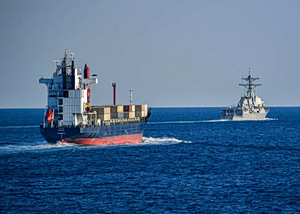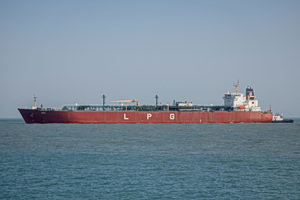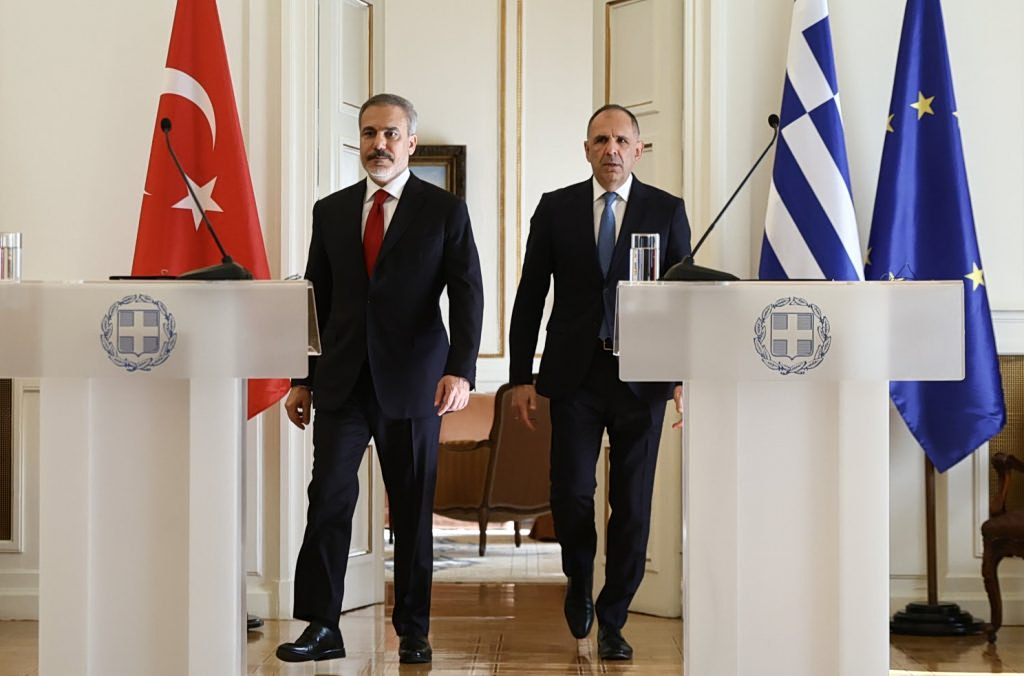
NATO allies have said they will not join a U.S.-led blockade of Iranian ports announced by Donald Trump, marking a significant split within the Western alliance as tensions escalate in the Gulf.
The decision was confirmed by Britain and France, which both said they would not be drawn into the ongoing conflict and would only consider involvement after fighting ends.
UK and France push for post-war maritime mission
British Prime Minister Keir Starmer said the UK would not be “dragged into the war,” stressing that London is not supporting the blockade.
France, meanwhile, proposed a multinational initiative to restore safe navigation through the Strait of Hormuz once conditions allow.
French President Emmanuel Macron said the effort would involve a “strictly defensive mission” aimed at coordinating naval escorts and ensuring freedom of navigation.
A planned conference involving around 30 countries — including Gulf states, India, Greece, Spain, Italy, the Netherlands, and Sweden — could take place in the coming days to discuss the proposal.
Trump blockade deepens transatlantic divide
The U.S. blockade plan follows failed negotiations over Iran and escalating tensions in the region. According to U.S. statements, the military operation is aimed at restricting vessels linked to Iranian ports.
European allies, however, have emphasized a diplomatic approach, saying any maritime mission should only proceed after a durable ceasefire and guarantees that ships will not be attacked.
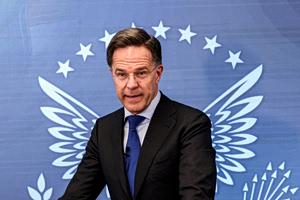
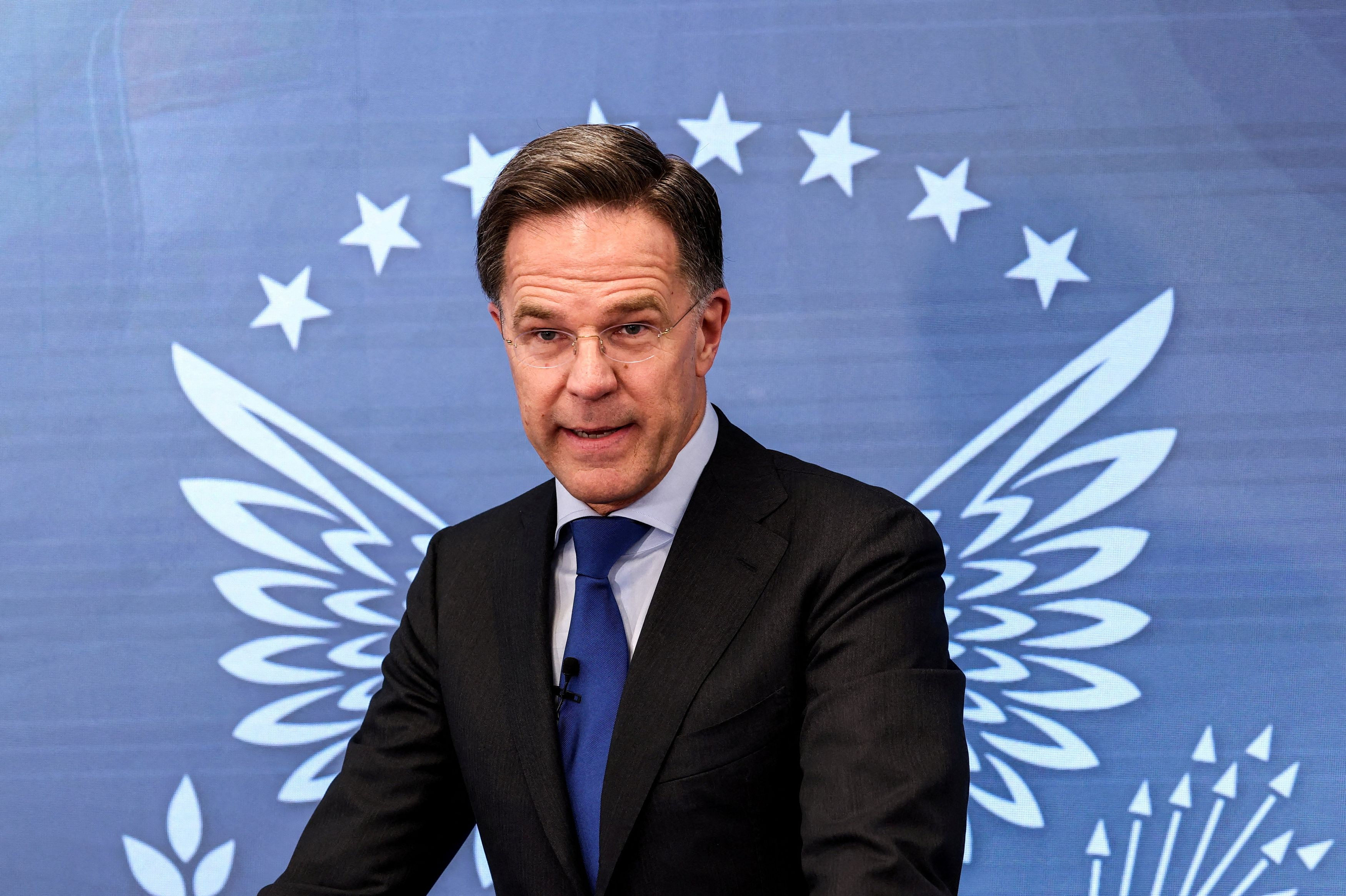
NATO Secretary General Mark Rutte has previously indicated that the alliance could play a role in securing the Strait of Hormuz if member states agree on a coordinated mission.