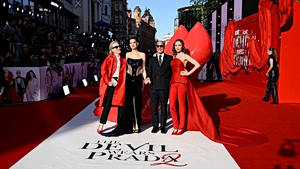
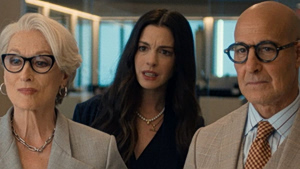
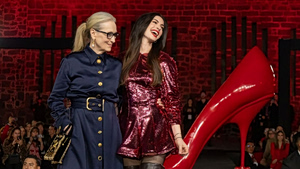
Fueled by a deep vein of pop-culture nostalgia, Hollywood is drawing audiences back into theaters—something underscored by the strong debut of The Devil Wears Prada 2, the long-awaited follow-up to the hit released two decades ago.
The film premiered this weekend with an estimated $233.6 million in global box office revenue. Much of its appeal lies with female audiences eager to revisit the glossy world of fashion journalism alongside Meryl Streep and Anne Hathaway, reprising their iconic roles 20 years after the original captivated viewers.
In North America alone, the film grossed $77 million, with an additional $156.6 million coming from international markets. Produced by The Walt Disney Company, the sequel joins a growing list of nostalgia-driven successes targeting Millennials and Gen X audiences. Recent hits include Michael and The Super Mario Galaxy Movie, both of which performed exceptionally well, as noted by The Wall Street Journal.
At a time when real-world challenges feel relentless and financial pressures remain high, audiences appear increasingly drawn to films that offer comfort and familiarity—like slipping into a well-worn pair of slippers. This trend is providing a much-needed boost to Hollywood, especially as major franchises such as Marvel and Fast & Furious struggle to maintain momentum and theater attendance remains below pre-pandemic levels.
“Nostalgia is a powerful driver in how people consume entertainment right now,” said Martha Morrison, head of marketing at Disney Entertainment Studios, speaking to the Wall Street Journal. “With ‘Prada,’ that’s absolutely the case.”
The recent CinemaCon further highlighted this shift. Studios showcased a slate heavy with sequels to beloved films from the 1980s, 1990s, and 2000s, including Toy Story 5, Practical Magic 2, Focker-in-Law, Scary Movie 6, and Spaceballs: The New One.
Studios are also revisiting other familiar properties, with new adaptations of Resident Evil and Masters of the Universe, as well as a film exploring the origins of Rocky.

Perhaps the clearest sign of the enduring cultural impact of The Devil Wears Prada is the longevity of its dialogue, much of which continues to circulate as memes across social media platforms.
For the sequel, Disney’s marketing team leaned heavily on recognizable elements from the 2006 original, embedding them into a campaign designed to tap directly into audience memory. The first film, released by 20th Century Fox, earned $326.6 million globally but was not initially seen as a major franchise asset when Disney acquired most of Fox’s entertainment holdings in 2019.
That perception has since shifted. Following production of the sequel last summer, Disney identified it as one of its most commercially promising releases for 2026, launching an aggressive promotional campaign that included partnerships with brands like Dior and Starbucks.