International efforts to halt Sudan’s ongoing war intensified this week as the United States, the United Arab Emirates, Saudi Arabia, and Egypt pushed for a ceasefire to ease the country’s growing humanitarian catastrophe.
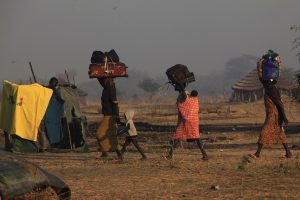
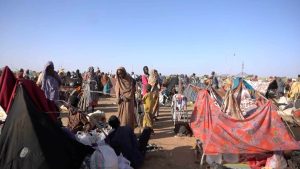
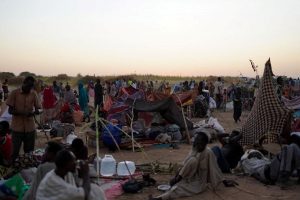
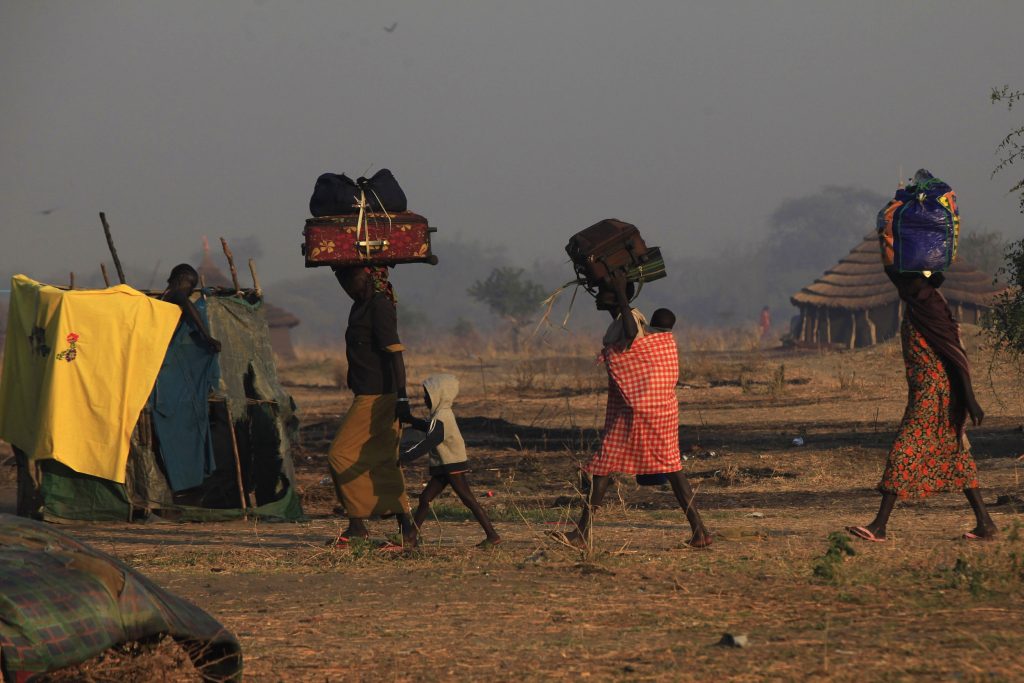
The conflict, which erupted in April 2023, pits the Sudanese Armed Forces against the paramilitary Rapid Support Forces (RSF) amid a power struggle over the country’s transition to civilian rule. Fighting has displaced millions, triggered famine, and caused ethnically charged violence, particularly in Darfur and Kordofan.
On Monday, RSF leader General Mohamed Hamdan Dagalo, also known as Hemedti, announced a unilateral three-month humanitarian truce, citing international pressure, particularly from U.S. President Donald Trump. However, violations quickly followed, including drone strikes on army-held territories, casting doubt on the RSF’s commitment.
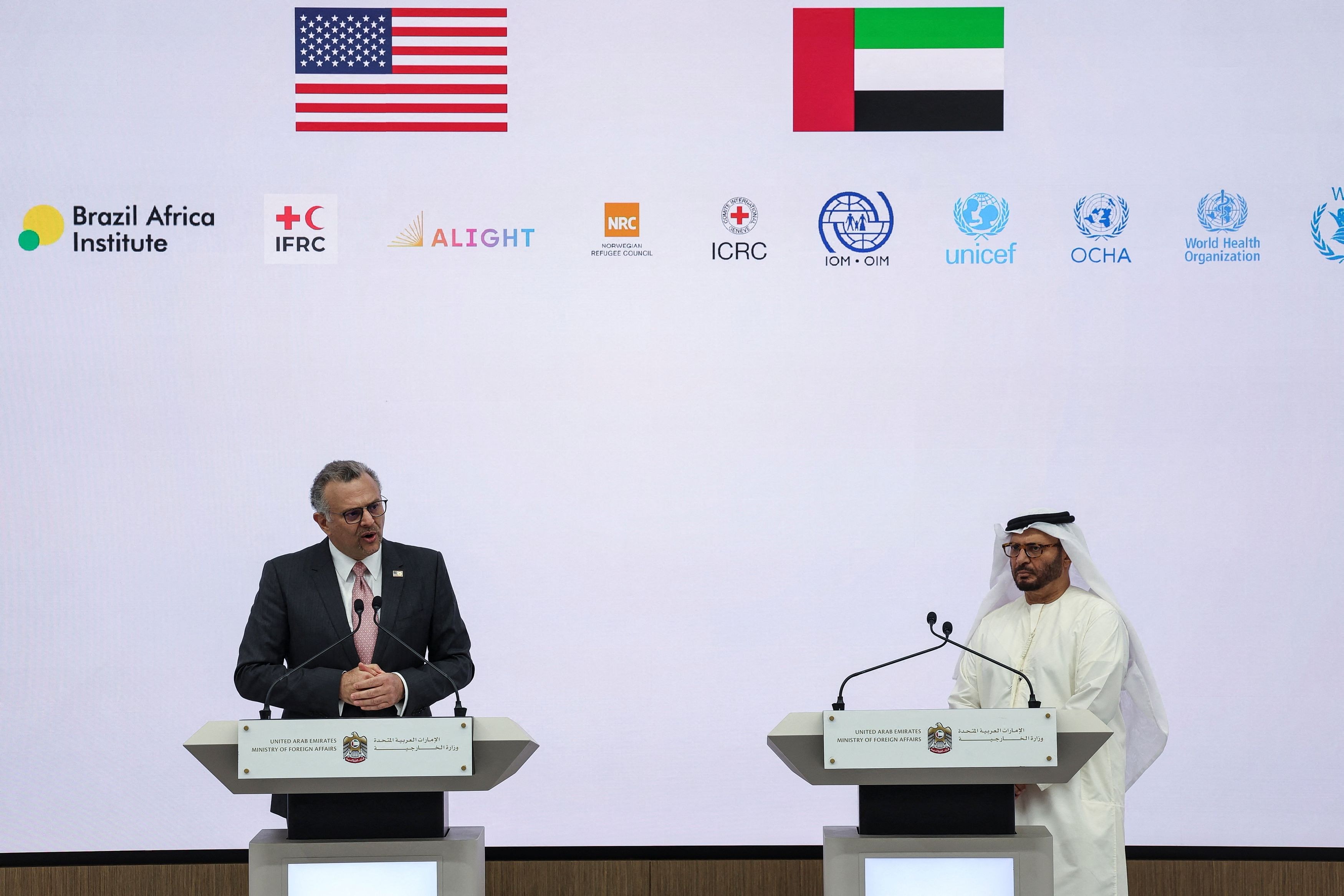
UAE diplomatic adviser Anwar Gargash condemned atrocities committed by both sides, welcoming U.S. efforts to broker peace. “The UAE aims to stop the war and support international efforts,” he said, responding to accusations that the Gulf state had armed the RSF.
President Trump affirmed U.S. engagement after Saudi Crown Prince Mohammed bin Salman requested intervention, calling Sudan “the most violent place on Earth” and emphasizing the urgent humanitarian needs. Trump pledged to coordinate with the Quad—U.S., Saudi Arabia, UAE, and Egypt—to end the crisis.
Sudan’s army chief, General Abdel Fattah al-Burhan, rejected the truce proposal, accusing the U.S. plan of favoring the RSF and allowing them to consolidate territorial gains. He reaffirmed that rebels would not be part of any political solution, while the UAE urged the army to engage constructively.
As reported in Reuters, the European Union and the United Kingdom are also taking steps, targeting RSF leadership with sanctions for human rights abuses. Abdelrahim Dagalo, RSF deputy commander and brother of Hemedti, faces EU sanctions including asset freezes and travel bans. London announced similar measures, stressing the need for sustained pressure to secure a ceasefire.
Reports from al-Fashir describe horrific attacks, including drone strikes, shootings in the streets, and civilian deaths. The UN has called the crisis the world’s largest humanitarian emergency, with global aid needs growing amid shrinking budgets.