
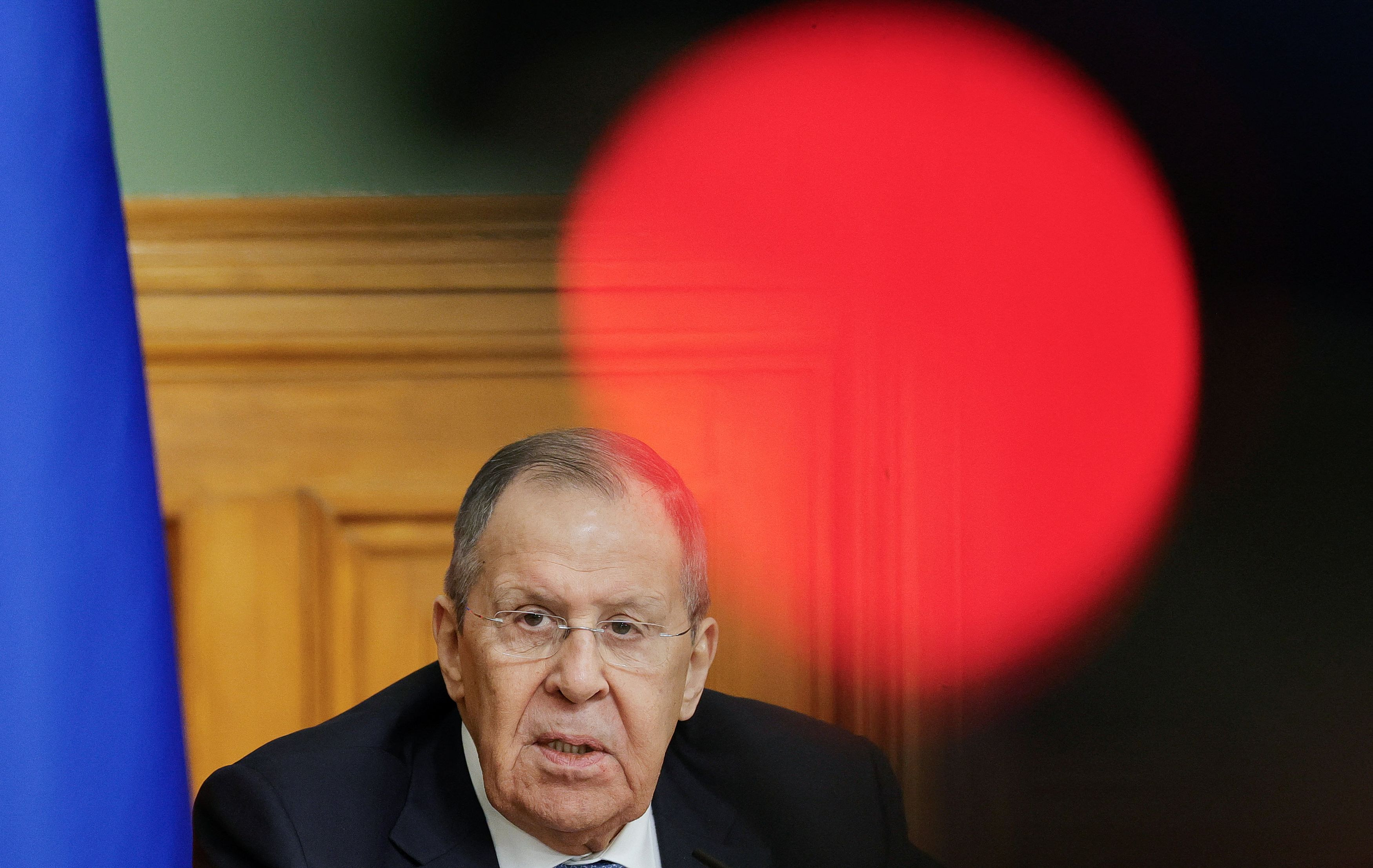
Russian Foreign Minister Sergei Lavrov claimed on Friday that the United States has been trying to gain control of the controversial Nord Stream gas pipelines in the Baltic Sea, asserting this reflects U.S. ambitions to dominate global energy markets. The remarks were made during an interview with France Televisions and published by Russia’s foreign ministry.
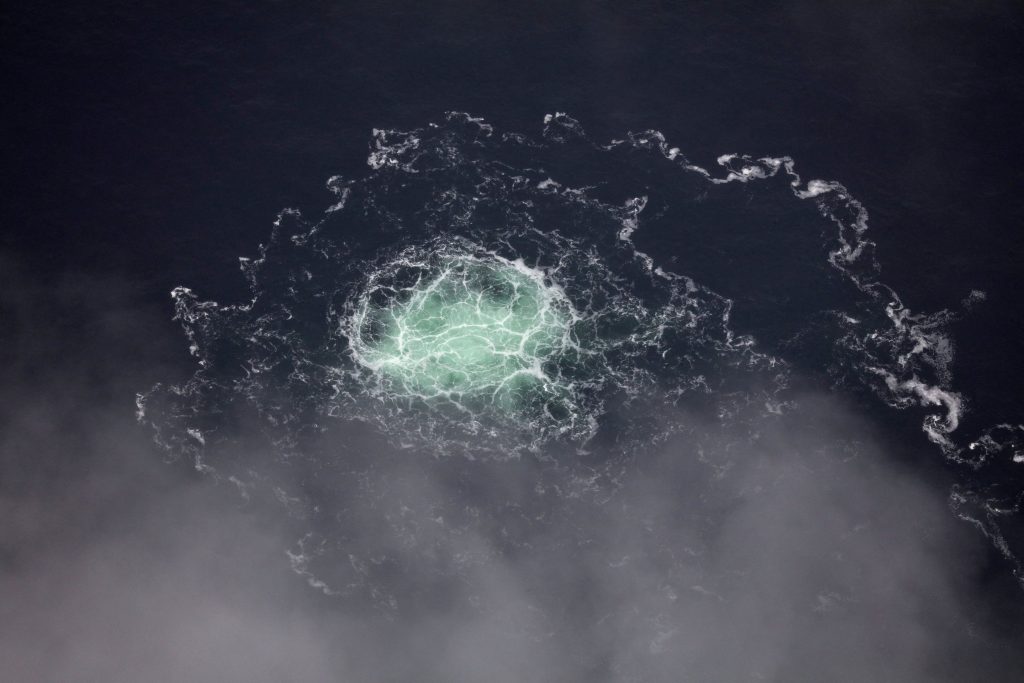
The Nord Stream network—built to carry Russian natural gas directly to Europe—was significantly damaged by a series of explosions in September 2022, events widely described by Russia as sabotage by both NATO and Western nations. The blasts largely severed a major route for Russian gas transit to Europe, compounding energy supply challenges on the continent.
Lavrov’s Accusations
Lavrov did not provide specific evidence for the U.S. takeover claim, but he framed it as part of a broader effort by Washington to assert influence over global energy infrastructure. He pointed to other instances—including U.S. engagement with Venezuelan oil reserves—as examples of what he described as ambitions to control key energy resources.
“The United States is also now saying that it wants to take over the Nord Stream pipelines,” Lavrov said in the interview, according to the published transcript.
Background on the Pipelines
The Nord Stream system, including Nord Stream 1 and the partly completed Nord Stream 2, was designed to transport natural gas from Russia to Germany and other European markets. However, following Russia’s military actions in Ukraine and subsequent geopolitical tensions, Russia had already reduced and then largely halted gas flows before the explosion damage.
Investigations in Denmark, Sweden and Germany followed the 2022 blasts, but after years of inquiry only a Ukrainian man was arrested in Italy in 2025 on suspicion of coordinating the attacks. The full identity of those responsible remains officially unresolved.
Broader Energy Politics
Lavrov’s comments underscore ongoing tensions over energy security and influence in Europe. While he accused the U.S. of seeking control of Nord Stream, Western governments have not publicly endorsed that characterization. A Wall Street report from 2024 noted an American investor, Stephen P. Lynch, had shown interest in purchasing sections of the intact Nord Stream 2 infrastructure, but that interest is separate from official U.S. government policy.