
 Μake us preferred on Google
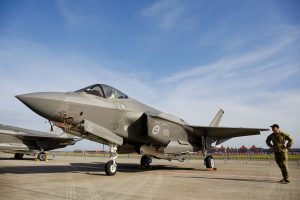
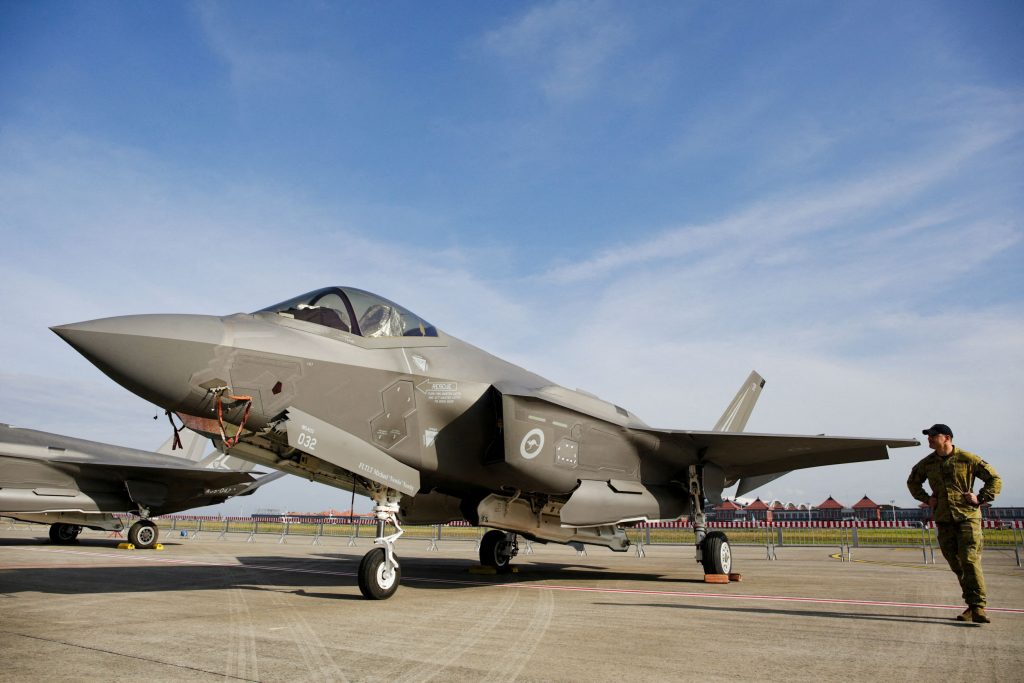
 Spain’s Prime Minister Pedro Sánchez has officially cancelled the country’s €6.25 billion order for F-35 Lightning II fighter jets, in a clear political and strategic shift away from US defense priorities and towards European military autonomy.
The Spanish Ministry of Defense, which had initially approved the order in 2023 to replace aging Harrier and F-18 aircraft, now plans to redirect 85% of that defense spending into European defense projects. The government cited recent developments in NATO defense spending as the main reason behind the decision — a move that also serves as a pointed response to former US President Donald Trump’s push for NATO members to raise their defense budgets to 5% of GDP.
While Spain has pledged to commit 2% of its GDP to defense and recently approved a €10.47 billion military investment package, Sánchez’s government is now focusing that funding on European defense industries rather than American systems.
Impact on Spain’s Naval Capability
The cancellation could have immediate operational consequences for the Spanish Navy. Analysts note that Spain’s aging Harrier jets — now over 50 years old — are in urgent need of replacement, and spare parts are increasingly unavailable. The F-35B, the only vertical take-off fighter capable of operating from Spain’s aircraft carrier Juan Carlos I, was seen as the most suitable successor.
Without the F-35B, the Navy may be forced to rely solely on helicopters for its carrier, significantly reducing its operational capability. In response, the Navy has reportedly commissioned public shipbuilder Navantia to study the feasibility of a new carrier with a longer deck to accommodate conventional fighter jets like the French Rafale, which use arrestor hooks for landing.
Political Repercussions in the US
Sánchez’s decision is not just military but symbolic. It comes amid ongoing tensions with Trump-era defense expectations. The former US president had publicly criticized Sánchez, claiming: “He’s the only one refusing to pay. We’ll make them pay double.”
The controversy continued in the US political arena, where Senator John Kennedy of Louisiana and five other Republican senators submitted a resolution calling on all NATO members to meet the 5% GDP target. Writing in Newsweek, Kennedy criticized Sánchez for evading the goal and argued: “Sánchez expects the American people to sacrifice for our common defense, but doesn’t want anyone in Spain to miss a siesta for the cause.”