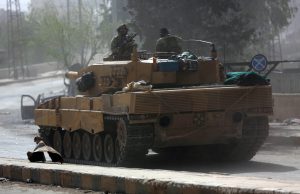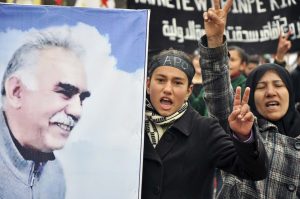
Turkey is steadily expanding its influence in Syria, targeting Kurdish forces while positioning itself alongside Gulf states and the United States in the country’s reconstruction. Stability in Syria is increasingly seen as a cornerstone for the “new order” emerging in the Middle East.
Ankara, working closely with the government of Ahmad al-Saraa, is creating new political realities that give it greater sway over Syria’s internal affairs. This renewed involvement has brought the Kurdish issue back into focus, as Kurdish fighters have clashed in recent weeks with Syrian government troops in the north.
Kurds Face August Deadline
For Syria’s Kurds, the central challenge is integrating into government forces and state structures under a deal struck several months ago. Turkey and the US have set a deadline of 21 August for completing the process.
In the meantime, fighting has erupted near Aleppo, Manbij and other areas along the borders of Kurdish-administered regions controlled by the Syrian Democratic Forces (SDF), in which Kurds play a leading role.
A senior Turkish Defence Ministry official accused the SDF of stepping up its activities, saying its attacks against Syrian government troops in recent days undermined the country’s political unity and territorial integrity. The official also linked the SDF’s growing assertiveness to conflicts in southern Syria between Druze and Bedouin groups, for which Ankara blames Israel.
High-Level Talks in Damascus
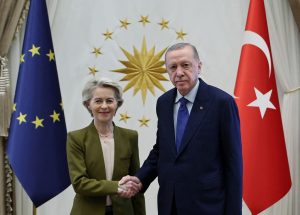
Turkish pressure is being applied not only through rhetoric but also diplomacy. Turkish Foreign Minister Hakan Fidan made an unannounced visit to Damascus to discuss Kurdish matters with al-Saraa’s government. According to official accounts, the talks focused on Turkey’s security concerns stemming from northeastern Syria and on joint counter-terrorism efforts, while stressing the importance of maintaining Syria’s territorial unity.
The agenda also included bilateral relations, tensions between Syria and Israel, and post-war reconstruction plans.
Billions Flowing into Reconstruction
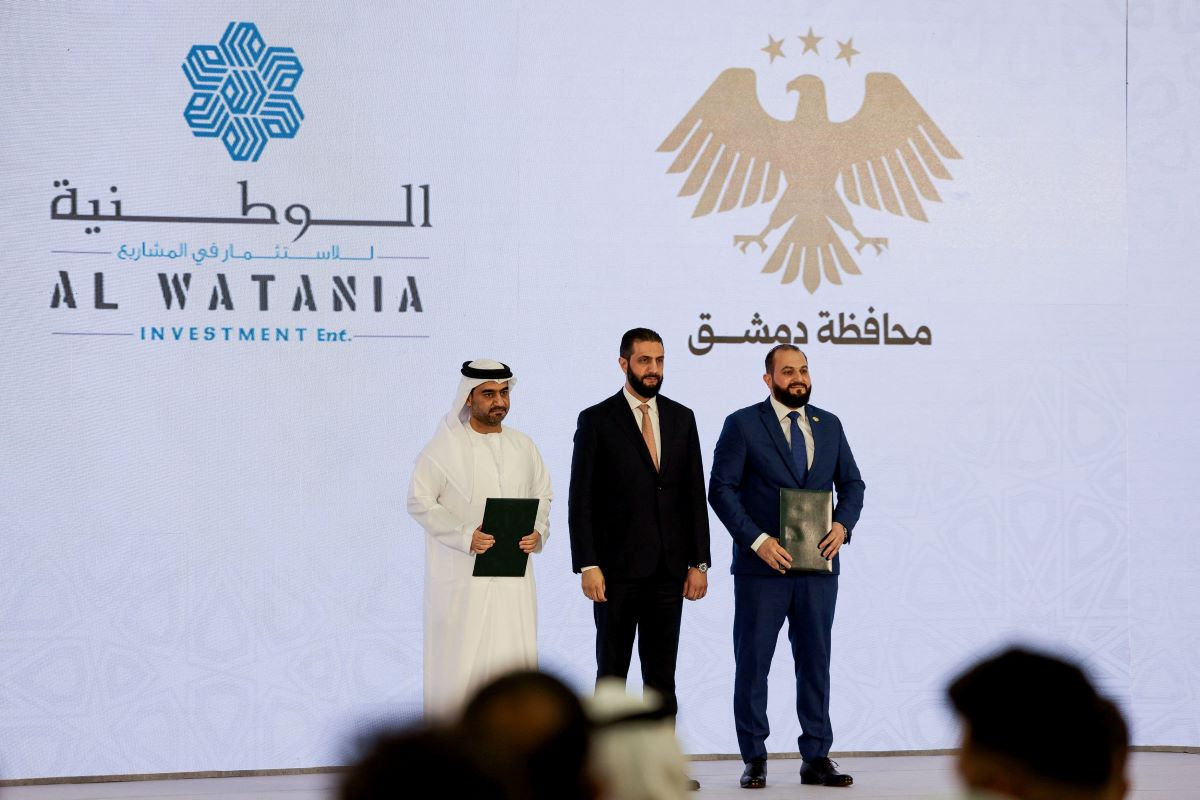
Syria’s rebuilding is accelerating with backing from the US, Turkey and Gulf monarchies. Recent deals include a $2 billion metro project in Damascus with the United Arab Emirates and a $4 billion airport reconstruction with Qatar’s UCC Holdings.
On Wednesday, the Syrian government signed agreements worth $14 billion for 12 major infrastructure projects, with most contracts going to companies from Qatar, Turkey and the US.
Energy Cooperation Adds Depth to Ties
Beyond reconstruction, Ankara is deepening cooperation with Damascus in energy. Last week, Turkey began supplying Aleppo with Azerbaijani natural gas via pipelines. Turkish Energy Minister Alparslan Bayraktar said up to two billion cubic metres could be exported to Syria annually, describing the move as a step towards normalisation.
Syria as Counterbalance in Trump’s Middle East Vision
The US sees stabilising Syria as key to a broader regional reset. With Iranian influence diminished after Israeli military operations, the unresolved conflict in Gaza and the West Bank remains the main obstacle to a lasting settlement.
US President Donald Trump has called for all Middle Eastern nations to join the Abraham Accords, which normalise ties with Israel, claiming this will secure peace in the region. He has previously invited al-Saraa to join the accords, viewing them as a way to cement the new political realities.