 Μake us preferred on Google
 A massive 8.8 magnitude earthquake off Russia’s Kamchatka Peninsula sent powerful tsunami waves across the Pacific on Wednesday, striking coastal areas of Hawaii and Japan, damaging ports, and prompting widespread evacuations.
The shallow quake, centered 119 km southeast of the Russian city of Petropavlovsk-Kamchatsky, shook buildings for minutes, injuring several people and causing structural damage in the remote Far East region. Russian scientists said it was the strongest quake in Kamchatka since 1952.
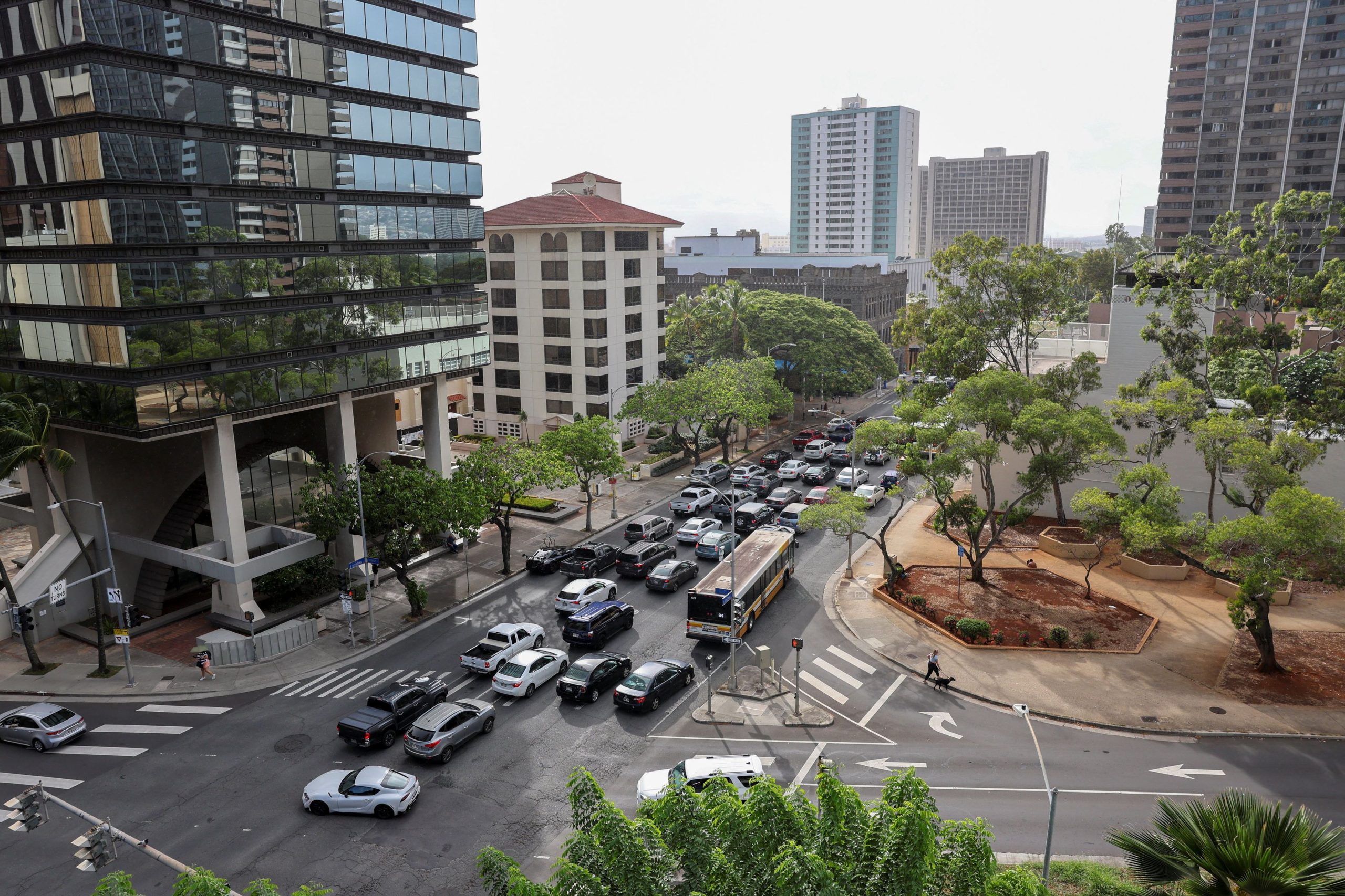
Traffic builds on S Beretania Street near downtown Honolulu after authorities warned residents of the possibility of destructive tsunami waves, following an earthquake which earlier struck off Russia’s Far Eastern Kamchatka Peninsula, in Honolulu, Hawaii, U.S. July 29, 2025. REUTERS/Marco Garcia
In the port town of Severo-Kurilsk, waves as high as 5 metres (16 feet) flooded shorelines, inundating fish processing plants, sweeping away moored vessels, and submerging buildings. Verified drone footage showed the entire coastline underwater.
NEWSLETTER TABLE TALK
Never miss a story.
Subscribe now.
The most important news & topics every week in your inbox.
Governor Vladimir Solodov called it “the most serious earthquake in decades of tremors.”
In Hawaii, tsunami waves of up to 1.7 metres (5.5 feet) hit coastal areas. The Pacific Tsunami Warning Center initially issued evacuation orders and urged residents to seek higher ground or upper floors in buildings. Flights from Honolulu resumed later, though Maui’s main airport remained closed with passengers sheltering inside.
Tsunami waves were also observed across Japan’s eastern coast, where memories of the devastating 2011 tsunami remain vivid. Authorities issued evacuation orders for tens of thousands, including around the Fukushima nuclear plant, which suffered a meltdown in the 2011 disaster.
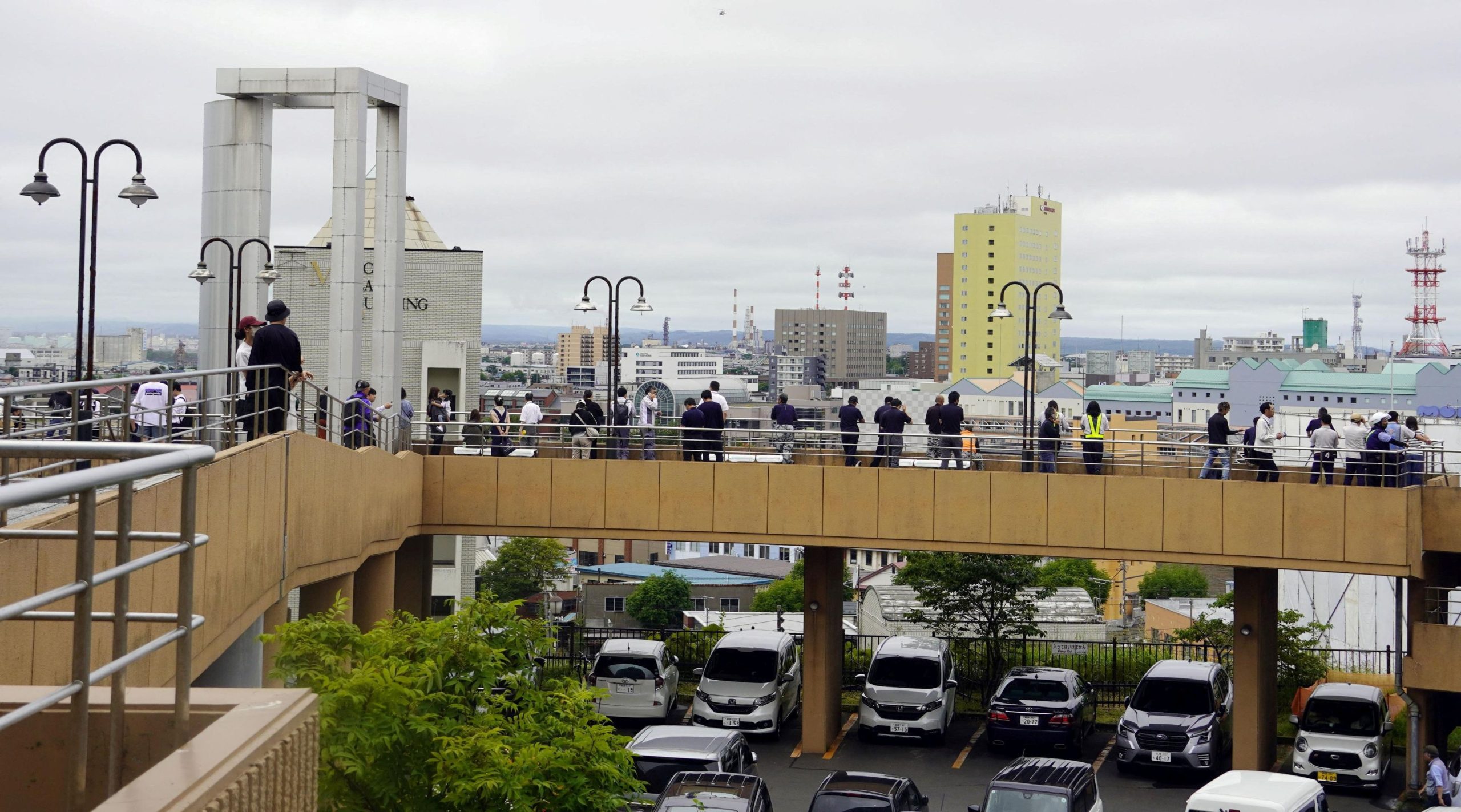
People take shelter at a temporary tsunami evacuation site in Kushiro, Hokkaido, northern Japan, July 30, 2025, after the Japan Meteorological Agency issued a tsunami warning for the country’s Pacific coast following a powerful earthquake off Russia’s Kamchatka Peninsula in this photo taken by Kyodo. Mandatory credit Kyodo/via REUTERS ATTENTION EDITORS – THIS IMAGE HAS BEEN SUPPLIED BY A THIRD PARTY. MANDATORY CREDIT. JAPAN OUT. NO COMMERCIAL OR EDITORIAL SALES IN JAPAN.
A 58-year-old woman in Mie Prefecture died while evacuating when her car fell off a cliff, Japanese broadcaster Asahi TV reported.
In Hokkaido, people gathered on rooftops for safety, and Nissan Motor halted operations at some facilities. Although three tsunami waves were recorded—the largest at 1.3 metres (4.3 feet)—Japan reported no major injuries or damage, according to Chief Cabinet Secretary Yoshimasa Hayashi.
The U.S. Tsunami Warning System indicated waves over 3 metres were possible in Russia, Hawaii’s northern islands, and Ecuador. Waves of 1–3 metres were expected in regions including Japan, Chile, and the Solomon Islands.
Smaller waves reached as far as California and British Columbia, though without significant impact.
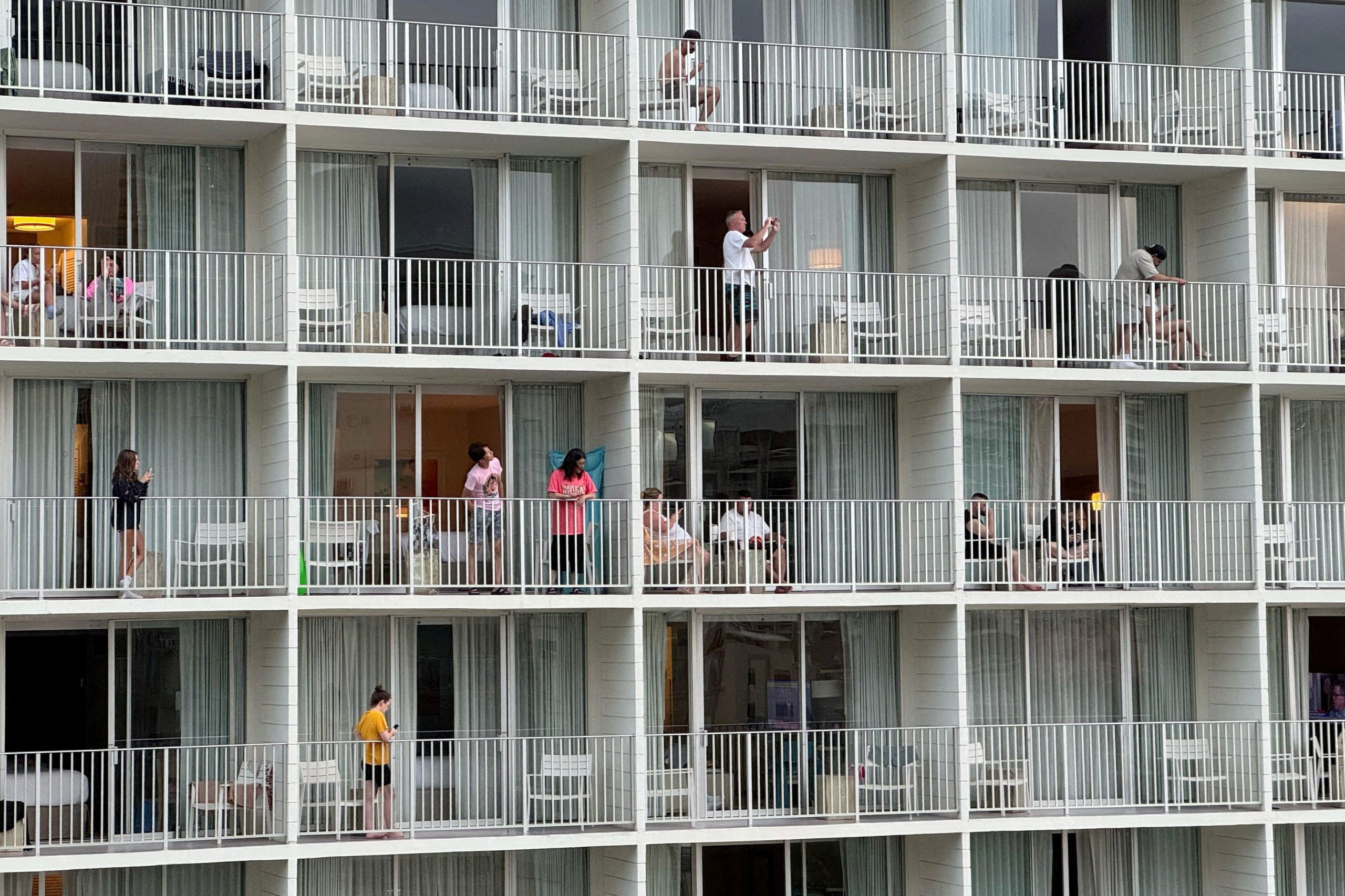
Vacationers stand on balconies at the ‘Alohilani Resort looking towards Waikiki Beach after authorities warned of the possibility of tsunami waves, following an earthquake which earlier struck off Russia’s Far Eastern Kamchatka Peninsula, in Honolulu, Hawaii, U.S. July 29, 2025. REUTERS/Nicola Groom TPX IMAGES OF THE DAY
The Kamchatka Peninsula, located on the Pacific Ring of Fire, is prone to seismic activity. Experts from Russia’s Geophysical Service said aftershocks would continue but stronger tremors were not expected imminently.
Authorities across the Pacific region remain on alert as damage assessments and safety checks continue in affected areas. “It felt like the walls could collapse any moment,” said Yaroslav, a resident of Petropavlovsk-Kamchatsky. “The shaking lasted continuously for at least three minutes.”