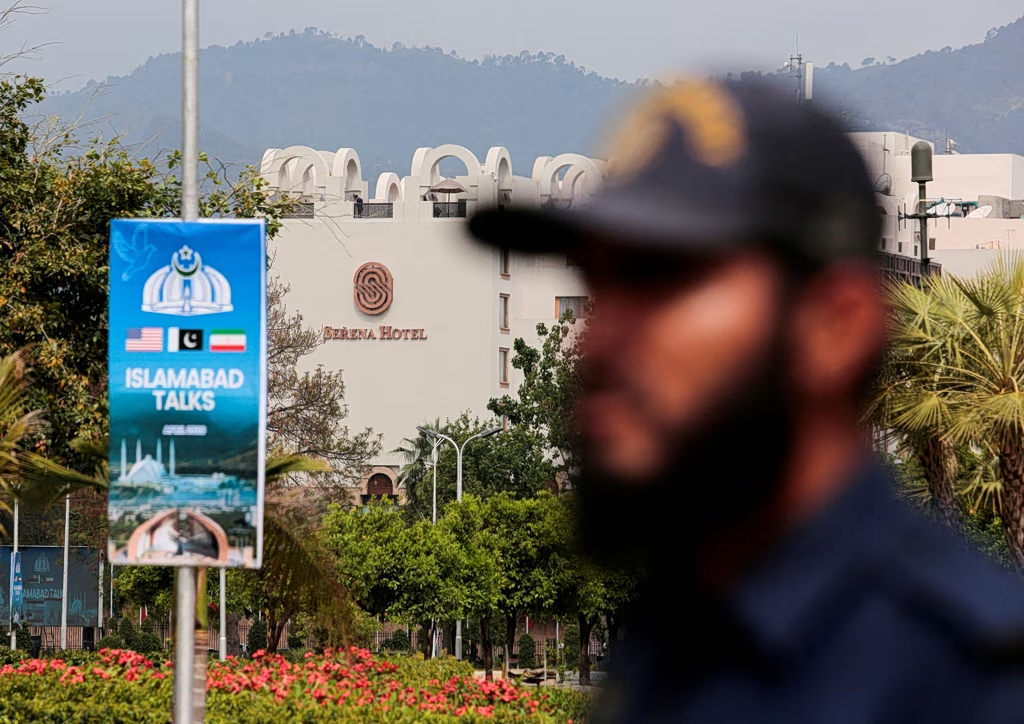
The United States and Iran opened their most senior direct talks since the 1979 Islamic Revolution on Saturday, meeting in Islamabad under Pakistani mediation in a diplomatic push to end six weeks of conflict in the Middle East, even as a standoff over mined waters in the Strait of Hormuz continued to choke a fifth of the world’s oil supply.
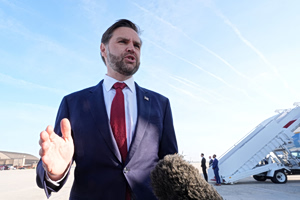
Vice President JD Vance met with Iranian parliamentary speaker Mohammad Bagher Ghalibaf and Foreign Minister Abbas Araghchi in what officials described as the most significant U.S.-Iran contact in nearly half a century. Pakistan’s government, led by Prime Minister Shehbaz Sharif, brokered the three-way summit, leveraging close ties with both Washington and Tehran to bring the two sides to the table.
Iran entered the talks with clear demands, conditioning any peace agreement on the lifting of sanctions and a halt to Israeli strikes on Lebanon. Shortly before the talks began, Reuters cited an Iranian state television correspondent in Islamabad reporting that the United States had agreed to unfreeze Iranian assets, though the report could not immediately be confirmed.
The talks were overshadowed by what U.S. officials described as a severe navigational hazard in the Strait of Hormuz, where Iran has laid mines that it now says it is unable to locate. Washington charged that the blocked waterway was disrupting the passage of roughly 20 percent of global oil, while Tehran signaled it would only cooperate on demining under its own terms, with one official warning that Iran was negotiating “with its finger on the trigger.”
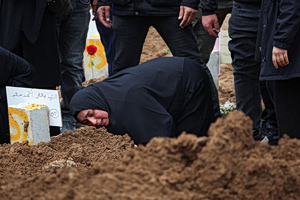
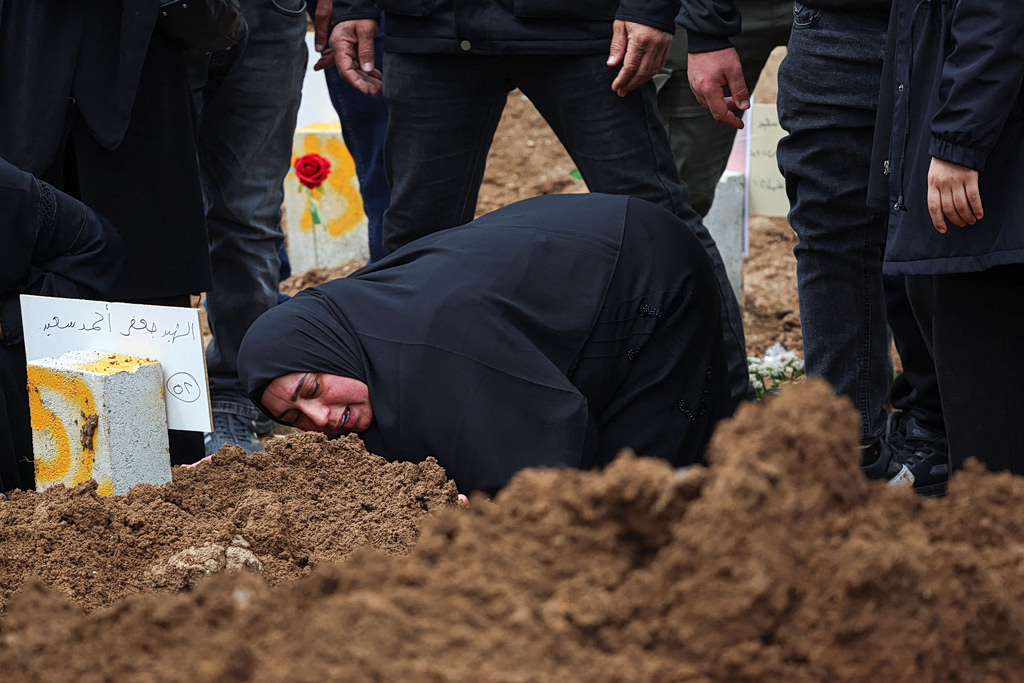
On the ground, Lebanon’s Health Ministry reported 357 people killed in Israeli strikes in a single day on Wednesday. Israel said it had no intention of discussing a ceasefire with Hezbollah ahead of scheduled talks in Washington next week.
French President Emmanuel Macron spoke by phone with Turkish President Recep Tayyip Erdogan, calling on all parties to respect freedom of navigation through the strait and to pursue a sustainable diplomatic solution.
In a parallel development, U.S. President Donald Trump posted on Truth Social that a “tremendous number” of empty tankers were heading to the United States to load American crude oil. “We have more oil than the next two largest economies combined,” Trump wrote, seeking to reassure markets rattled by disruptions to the global supply chain.