Tensions in the Middle East are at a critical peak. Despite reports of ceasefire plans and talks, both sides, the US and Israel on one hand, and Iran on the other, are taking escalatory steps that are creating facts on the ground which would be difficult to reverse by any ceasefire or peace agreement, whenever it may come.
Wave of strikes on Iranian infrastructure
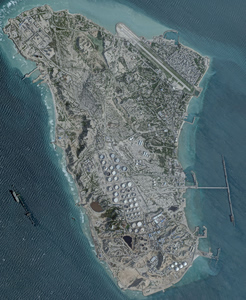
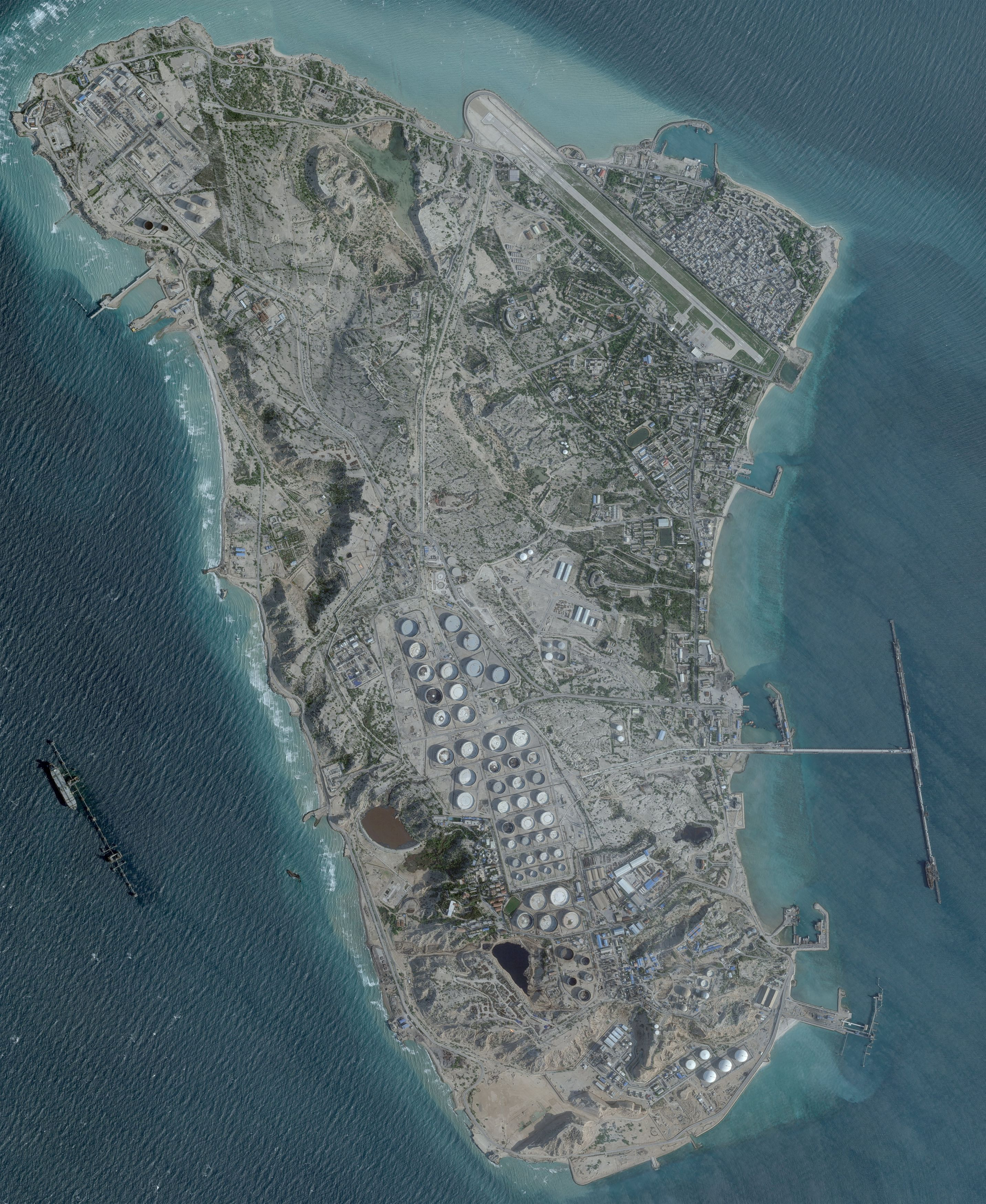
According to reports, in recent hours the US and Israel have carried out strikes on Kharg Island in the Persian Gulf, a site of strategic importance for Iranian oil production and storage, as well as on at least two bridges, one railway and one road, in Isfahan and along the Tabriz–Zanjan route.
View this post on Instagram
These attacks come as the ultimatum Donald Trump had set, expiring this evening, for Iran to agree to his ceasefire proposal is about to run out. The US president had warned that if it did, civilian and energy infrastructure would be struck, and he made clear he had no concern about whether such action constitutes a war crime.
Regarding the strikes on Kharg, the US military moved quickly to clarify that the strikes were focused on military targets, as reported by Axios, citing an unnamed senior American official.
The Israeli armed forces, for their part, stated that strikes had been carried out on railway and road infrastructure across Iran. According to later updates, a total of 10 key nodes of Iran’s railway network were hit.
Incendiary statement from the Revolutionary Guards
The Iranian Revolutionary Guards responded shortly afterward with a statement of extreme rhetorical intensity, asserting: “Restraint is over. Our response will henceforth be without any hesitation. We will deprive the US and its allies of oil and natural gas for many years. If the American military crosses the line, our response will go beyond the bounds of the region.”
The Guards also made clear that they had targeted and struck the petrochemical facilities in Jubail, Saudi Arabia, as retaliation for the strikes on Iranian petrochemical installations the day before.
In this context, it is worth noting that Tehran insists it is rejecting the possibility of a temporary ceasefire, and that for any talks with the US on a peace agreement to begin, its stated conditions must be met: an immediate halt to hostilities, security guarantees against future attacks, and compensation. Furthermore, Iran now demands that any permanent peace agreement include a provision allowing Iran to impose transit fees on ships passing through the Strait of Hormuz.