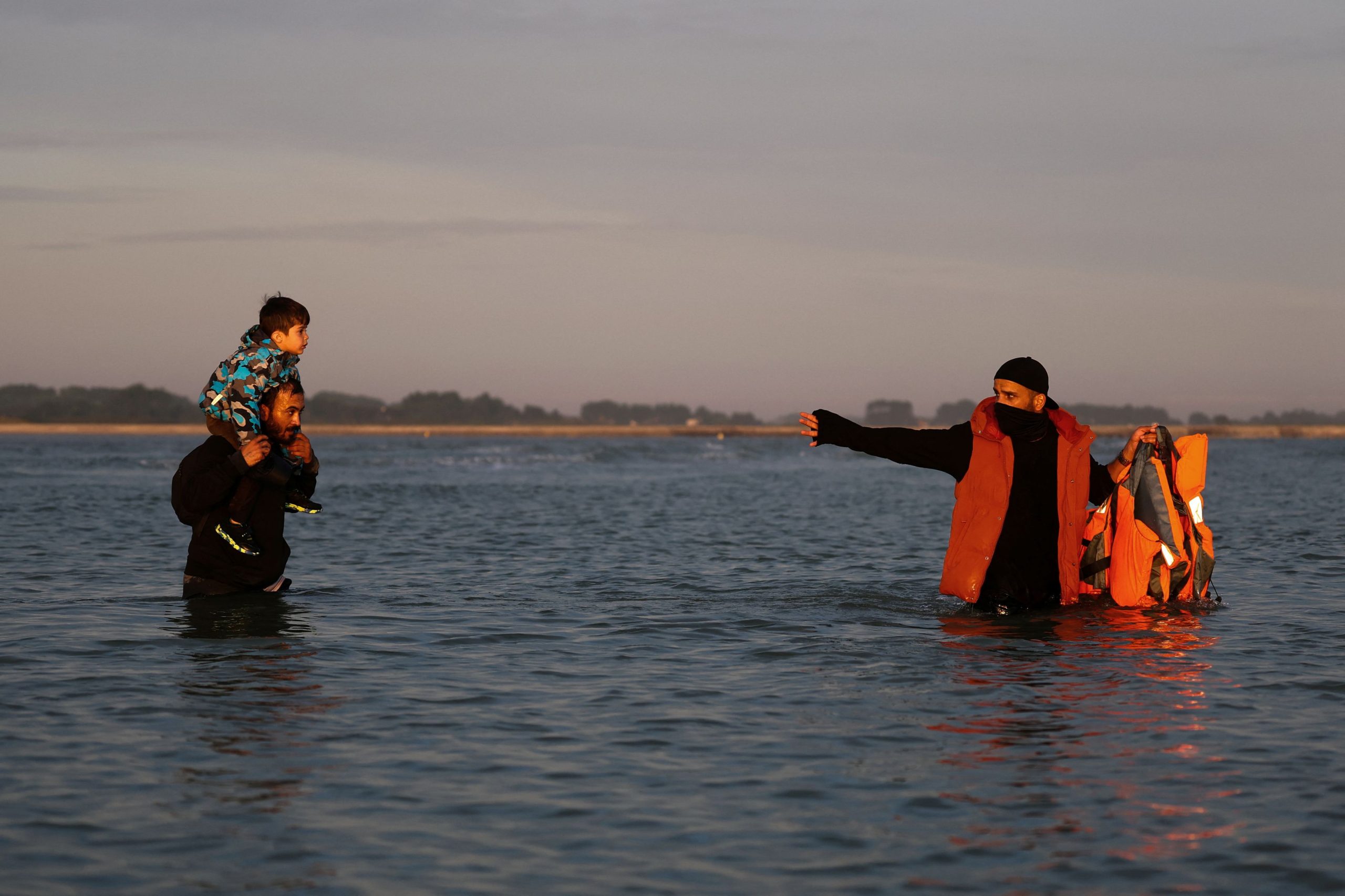
Britain will make refugee status temporary and extend the wait for permanent settlement to 20 years, the Labor government announced, marking the country’s most extensive overhaul of asylum policy in modern times.
The reforms come as Prime Minister Keir Starmer’s government seeks to counter the rise of the Reform UK party, whose hard-line immigration stance has reshaped the national debate. Opinion polls show immigration has surpassed the economy as the top concern among British voters.
The government said its plan draws inspiration from Denmark’s stricter model, which has been widely criticized by human rights organizations but credited with reducing asylum claims.
Temporary Refugee Status and Stricter Reviews
Under the new rules, refugee status will become temporary, subject to review every two-and-a-half years, and potentially revoked if the applicant’s home country is deemed safe.
Home Secretary Shabana Mahmood said Britain’s current system is too generous compared to Europe, where permanent settlement is rarely automatic.
“We will change that,” Mahmood told Sky News, confirming that the path to settlement would be quadrupled from five to 20 years. She added that new details would be announced Monday, including changes to how the UK interprets Article 8 of the European Convention on Human Rights, which protects the right to family life.
Restrictions on Support for Some Asylum Seekers
The Home Office also confirmed that statutory support — housing and weekly allowances — would be revoked for certain groups.
Those who can work but choose not to, and those who break the law, will no longer receive taxpayer-funded assistance. Support will instead be prioritized for those who “contribute to the economy and local communities,” the department said.
Sharp Criticism From Civil Society
More than 100 British charities wrote to the Home Secretary, warning that such reforms “fuel racism and violence” and scapegoat migrants.
Britain’s Refugee Council argued that refugees do not compare asylum systems before fleeing danger. Instead, they choose the UK because of family ties, English-language familiarity, or connections that help them rebuild their lives.
Rising Numbers and Political Pressure
The UK received 109,343 asylum claims in the year ending March 2025 — up 17% from the previous year and reaching the highest level since 2002.
Over the summer, protests erupted outside hotels housing asylum seekers, further intensifying political pressure.
Inspired by Denmark’s Controversial Approach
The Home Office said its reforms aim to “match and in some areas exceed” the strict standards used in Denmark and other European countries.
In Denmark, refugees receive temporary two-year permits, must reapply when they expire, and can be sent back if conditions at home improve. These policies have driven asylum claims to a 40-year low, according to Danish authorities.
But rights groups warn that such measures leave asylum seekers in prolonged uncertainty and undermine international protection norms.
Opening New Legal Routes
Mahmood said the government will also look to expand safe and legal routes for those fleeing conflict, insisting that Britain should “play its part” in helping people in danger even as it tightens other policies.
The full details of the overhaul — including changes to Article 8 rules — are expected to be outlined, as the Labour government accelerates its efforts to reshape the UK’s immigration system.