 Μake us preferred on Google
 A global diplomatic push to revive the two-state solution in the Middle East is underway at the United Nations in New York, where dozens of foreign ministers are gathering for a major conference aimed at promoting the creation of an independent Palestinian state alongside Israel. However, both the United States and Israel have opted not to participate.
The conference, co-chaired by France and Saudi Arabia and convened by the UN General Assembly, follows a major announcement by French President Emmanuel Macron that France will formally recognize the State of Palestine this coming September. The meeting aims to build momentum toward that recognition and press for a broader international consensus.
French Foreign Minister Jean-Noël Barrot stated on Sunday that several other European countries are expected to announce their intentions to recognize Palestinian statehood during the event, though he did not specify which. Speaking from New York, Barrot emphasized the goal of encouraging other nations to join this initiative, leading up to the UN General Assembly on September 21.
Despite this momentum, some major European powers are taking a more cautious stance. UK Prime Minister Keir Starmer reiterated that recognition should be part of a comprehensive peace framework, while Germany indicated it does not plan to take such a step in the near future.
According to figures from AFP, 142 out of the 193 UN member states—now including France—already recognize the State of Palestine. The two-state solution has long been endorsed by much of the international community, although recent developments have cast doubt on its feasibility.
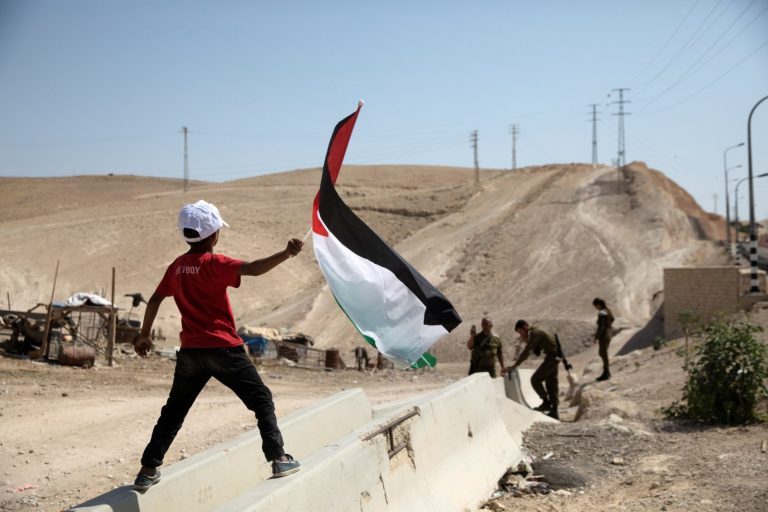
The backdrop to the conference is increasingly bleak. Ongoing war in Gaza, expansion of Israeli settlements in the occupied West Bank, and statements by Israeli officials about potential annexation of the territory have fueled concerns that the window for a viable Palestinian state may be closing. These concerns directly inspired the convening of the current summit.
Palestinian Prime Minister Mohammad Mustafa is attending the meeting, along with dozens of ministers from around the world. Barrot described the event as occurring at a time when “the prospect of a Palestinian state is more threatened than ever, but also more necessary than ever.”
The conference will focus on three main pillars: reforms within the Palestinian Authority, the disarmament and political exclusion of Hamas, and the normalization of relations between Israel and Arab states that have not yet taken such steps. While no major announcements from Arab countries are expected this week, Barrot noted that, for the first time, some of them will officially condemn Hamas and call for its disarmament.
Riyad Mansour, the Palestinian ambassador to the UN, called the conference a “unique opportunity” to turn international law and global consensus into actionable plans that could end occupation and conflict.
Originally scheduled for June, the conference was delayed due to the escalation of conflict between Israel and Iran.