 Μake us preferred on Google
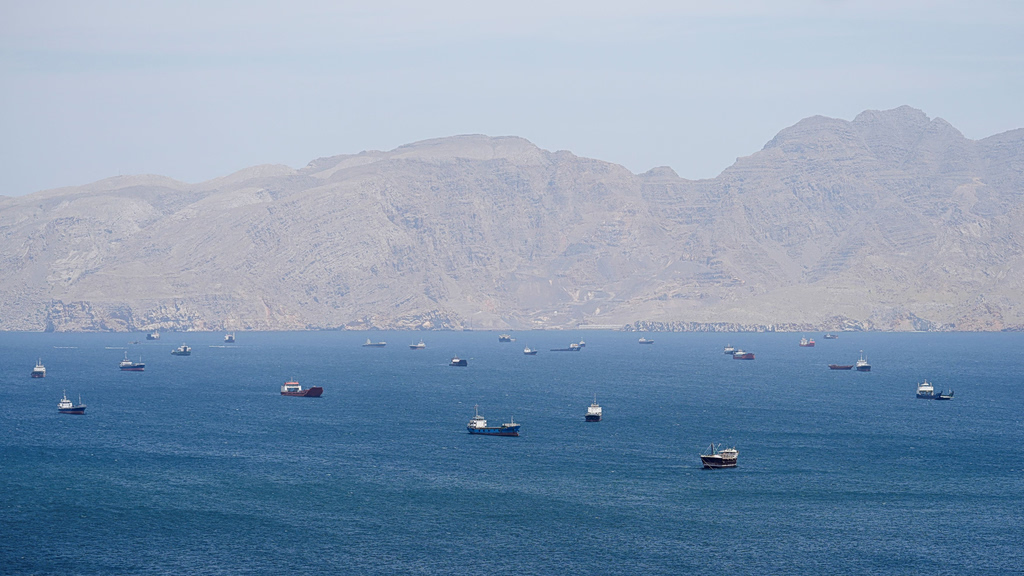
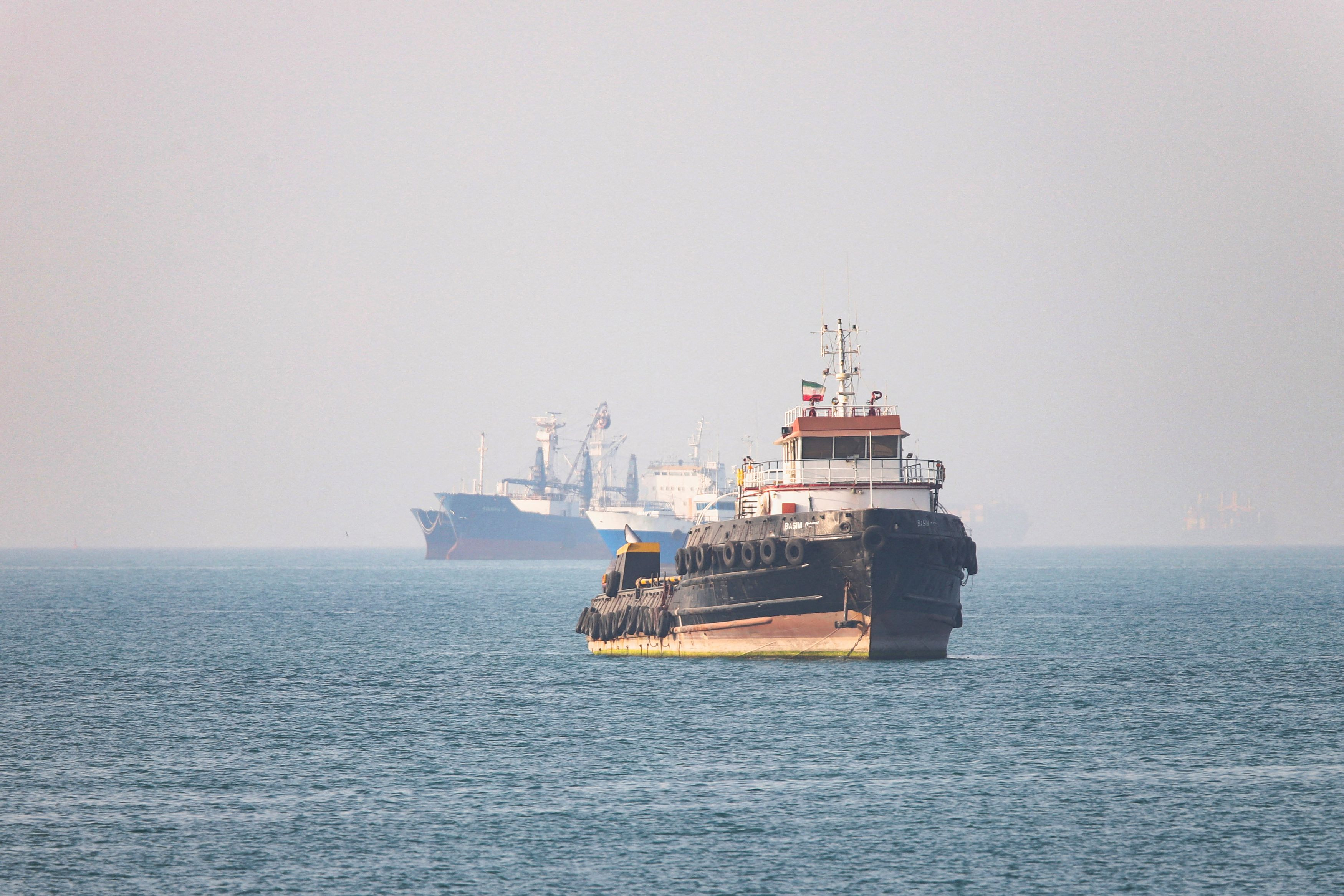
 United Nations Security Council members are set to begin discussions on a U.S.- and Bahrain-backed draft resolution that could impose sanctions on Iran, and potentially authorize force, if Tehran fails to halt attacks and threats to commercial shipping in the Strait of Hormuz, according to three Western diplomats.
The move comes amid renewed tensions in the strategic waterway, a key global energy route, following reported exchanges of fire on Monday that disrupted a fragile ceasefire and intensified concerns over competing maritime blockades in the region.
The draft resolution as cited by Reuters, is part of a broader diplomatic effort led by the United States to increase pressure on Iran while also preparing for post-conflict arrangements in the region.
Alongside the UN initiative, Washington has circulated a separate proposal for a multinational maritime coalition known as the Maritime Freedom Construct (MFC), aimed at establishing a post-conflict security framework and restoring stable navigation through the Strait once conditions allow.
The diplomatic push marks a shift back toward multilateral action at the United Nations after months in which the United States had largely acted outside the UN framework, including conducting military strikes without Security Council authorization and encouraging ad hoc naval patrols to safeguard shipping.
According to the draft text, the resolution condemns Iran’s alleged violations of the ceasefire and accuses it of continuing actions that threaten navigation through the Strait, including interference with shipping and the laying of sea mines. It demands that Iran immediately cease such activities, disclose mine locations, and avoid obstructing clearance operations.
The resolution further describes the situation as a threat to international peace and security and calls for cooperation with UN efforts to establish a humanitarian corridor through the Strait to ensure the movement of aid and essential goods.
It also requests that the UN Secretary-General report back within 30 days on compliance, with the Security Council expected to reconvene to consider additional measures, including possible sanctions, if Iran does not comply.
Diplomats said the United States is aiming to finalize negotiations quickly, with a revised draft expected by May 8 and a possible vote early next week. However, Russia and China are also considering a competing draft, which could complicate the process.
The proposal is being discussed alongside a separate Franco-British maritime initiative involving around 30 countries, which aims to support safe passage through the Strait once conditions stabilize. The U.S.-led Maritime Freedom Construct is described in diplomatic documents as complementary to that effort, while remaining structurally independent but closely coordinated.